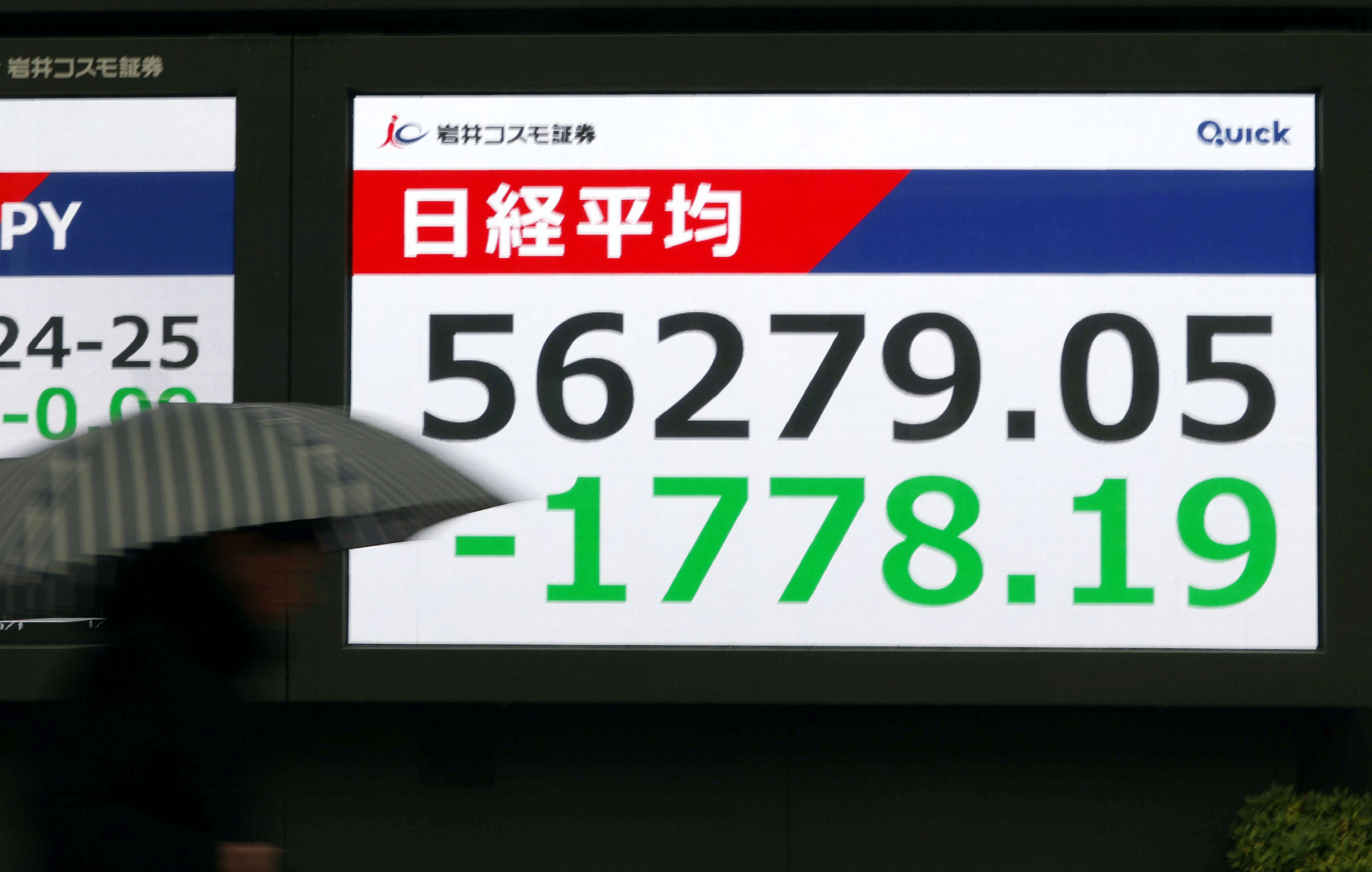
Tokyo’s benchmark Nikkei 225 rebounded sharply on the 4th, rising for the first time in five sessions as a pause in long-term interest rate increases in both Japan and the United States encouraged buying in technology shares. The Nikkei finished up 806.46 points, or 1.26%, at 65,020.94. The broader TOPIX inched higher by 1.19 points, or 0.03%, to 4,103.23.
What moved the market
The rally followed a positive lead from Wall Street after Federal Reserve Governor Christopher Waller’s remarks were interpreted as easing concerns over further U.S. rate hikes. With the pressure from rising long-term yields abating, investors rotated back into growth-sensitive names. In Tokyo, domestic long-term yields edged lower as well, reinforcing the bid for sectors most sensitive to funding costs and future earnings growth.
That shift was most visible in artificial intelligence and semiconductor-linked shares—areas where Japan remains a critical global player through equipment makers, materials suppliers, and strategic holdings. Notably, SoftBank Group contributed more than 400 points to the Nikkei’s rise on its own, underscoring how heavyweight technology names can sway the price-weighted index.
Currency check: a firmer yen tempers exporters
While tech led, the foreign exchange backdrop proved tougher for export-heavy sectors. A stronger yen in the currency market weighed on automakers and other companies that earn a large portion of their revenue overseas, leading to declines in several auto stocks. The split performance highlights the cross-currents typically at work in Japan: softer yields can buoy growth shares, while an appreciating yen can pressure exporters’ profit outlooks.
Why this matters for global investors
The Nikkei 225—composed of 225 leading companies listed on the Tokyo Stock Exchange—is closely watched as a barometer of Japan’s market momentum and corporate sentiment. Its advance above the 65,000 level will be read by many as a sign that investors remain confident in Japan’s position within the next wave of technology, from AI to advanced chips. Japan’s ecosystem—spanning semiconductor equipment, specialty chemicals, and robotics—sits at the heart of critical global supply chains, and renewed appetite for these names often signals broader risk-on behavior in Asia.
For international and expat investors, the day’s moves echo a familiar playbook: when long-term yields stabilize or drift lower, cash tends to seek growth-linked sectors, particularly AI and semiconductors. At the same time, currency dynamics remain a key swing factor. A stronger yen can compress exporters’ margins but may also reflect improving perceptions of Japan’s macro backdrop and inflation dynamics. The interplay between yields and the yen is therefore essential for anyone allocating to Japan—whether via single stocks, ETFs tracking the Nikkei 225 or TOPIX, or diversified Asia portfolios.
Today’s snapshot
- Nikkei 225: 65,020.94 (+806.46, +1.26%), first rise in five sessions
- Leaders: AI and semiconductor-related shares; SoftBank Group added 400+ points to the index
- Laggards: Exporters such as automakers, pressured by yen strength
- TOPIX: 4,103.23 (+1.19, +0.03%)
Outlook
Attention now turns to upcoming U.S. data and central bank commentary for further clues on the interest-rate path, as well as to domestic signals on corporate earnings and capex plans. If yields remain contained, Japan’s technology complex—amplified by structural strengths in chips and AI—could continue to underpin market resilience. However, currency moves will remain pivotal for sector leadership. For now, Tokyo’s rebound underscores a broader message: Japan’s market continues to offer global investors a compelling blend of innovation, stability, and depth.