U.S. hiring beats expectations—market odds swing toward a rate hike
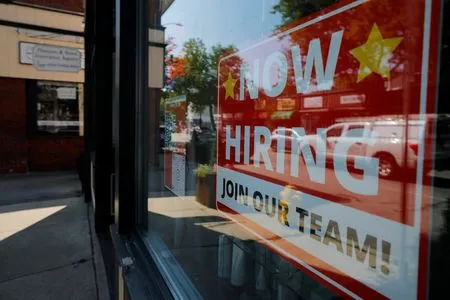
The United States added 162,000 nonfarm jobs in August, far outpacing economists’ median forecast of 56,000 and underscoring signs that a recently soft labor market is regaining momentum. The unemployment rate held steady at 4.1% from the previous month, according to data released by the U.S. Bureau of Labor Statistics on the 4th. Notably, July’s initially reported decline of 23,000 jobs was revised to a gain of 21,000, reinforcing the sense of a sturdier backdrop than earlier indicated. In interest-rate markets, traders swiftly marked up the probability that the Federal Reserve could raise rates at its September 15–16 policy meeting, with futures-implied odds climbing to roughly 65% from about 55% before the report.
Where the jobs were—and weren’t
Hiring was broad-based. Leisure and hospitality led with a 62,000 increase, including a striking 59,000 gain in restaurants and bars—signs of resilient U.S. consumer spending. Local government education rebounded by 42,000 after a prior-month dip, while manufacturing added 16,000 positions, pointing to better traction in goods-producing sectors. Construction rose by 22,000, often a barometer of confidence in private investment and housing. Healthcare employment increased by 13,000—positive, yet below its average monthly gain of roughly 32,000 over the past year. Analysts noted the healthcare slowdown may reflect administrative and policy dynamics, including changes that affected work authorization for some groups. Even so, one prominent private-sector forecaster said the report leaves little room for policymakers who prefer to wait: the jump in payrolls was broadly supported across the private economy (excluding healthcare), and the jobless rate stayed flat despite a stronger labor force participation backdrop.
What this means for Japan: yen, tourists, and exporters
Why should Japan care? A stronger-than-expected U.S. labor print can tilt the Fed toward tighter policy, which typically supports the U.S. dollar. If the dollar strengthens and the yen softens, several Japan-linked dynamics often follow. First, Japanese exporters—from autos to precision machinery—tend to benefit when overseas earnings translate into more yen, supporting profits and, at times, equity performance. Second, a softer yen can supercharge inbound tourism as dollar-based travelers find Japan even better value, underpinning spending in retail, dining, and regional destinations. Third, Japanese institutional investors—already major holders of U.S. Treasuries and corporate bonds—may find improved dollar yields appealing, supporting portfolio income. For consumers and small businesses in Japan, however, a weaker yen can raise the cost of imported energy and materials, keeping attention on efficiency gains and hedging strategies.
Policy watch: Fed vs. BoJ
The U.S.–Japan policy gap remains a key market driver. If the Fed leans toward another hike while the Bank of Japan proceeds cautiously with its own normalization path, rate differentials could widen again, putting downward pressure on the yen. That would likely favor export-led names and travel services, even as importers and energy-intensive sectors navigate higher input costs. The BoJ will also be watching U.S. wage and inflation details embedded in coming data, as these influence global financial conditions and Japan’s imported inflation dynamics. For expats, students, and businesses operating between Japan and the U.S., currency shifts can alter tuition, remittances, and cross-border purchasing power—making it a good moment to review budgets and hedges.
The bottom line
August’s U.S. jobs beat, coupled with a steady 4.1% unemployment rate and a broadening of hiring across services and goods-producing industries, has put a possible Fed hike back on the table this month. For Japan, the implications are constructive in several areas—particularly exports and inbound travel—while reinforcing the need to manage import costs and FX risk prudently. As U.S. data momentum firms, Japan’s globally competitive firms and welcoming tourism ecosystem look well positioned to capture the next wave of demand.