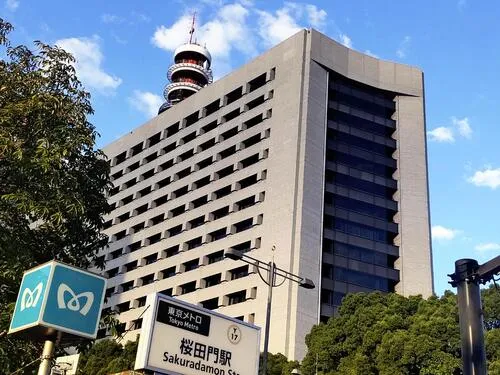
Tokyo—In a case underscoring Japan’s strict stance on medical ethics, the Tokyo Metropolitan Police on the 4th referred a 73-year-old clinic director from Osaka’s Yodogawa Ward to the Tokyo District Public Prosecutors Office on suspicion of assisting a paid organ-brokering scheme tied to kidney transplants in Cambodia. Investigators allege the physician conducted preoperative tests for prospective recipients at the request of a Tokyo-based general incorporated association, drafted referral letters to overseas surgeons, and received about 3 million yen in return. Two male patients—one in his 70s from Tokyo and another in his 60s from Chiba—were also referred to prosecutors on suspicion of paying for brokering services.
What Police Allege
According to investigators, the physician worked with the general incorporated association “International Medical Consultation Office” in Tokyo. The group’s de facto manager, identified as Kikuchi Hiromichi, 66, has already been indicted for violating Japan’s Organ Transplant Law. Between February and December last year, the Osaka clinic director arranged blood tests for two patients and prepared English-language referral letters addressed to overseas surgical teams. Police say these documents were sent to Kikuchi, facilitating payments the patients made for brokering overseas transplants—an act prohibited under Japanese law when compensation is involved.
How the Referrals Reached Phnom Penh
Investigators say the referral letters passed through a Chinese coordinator before reaching Chinese surgeons on the receiving end. The Tokyo Metropolitan Police seized letters listing patients’ names, addresses, blood test results, and an English note stating, “The patient is suitable for a kidney transplant. Please arrange for surgery at your hospital.” The Osaka physician admitted the allegations in voluntary questioning, reportedly saying he received around 3 million yen from Kikuchi in several installments as a “gratitude” payment. Speaking to the Yomiuri Shimbun last month, the doctor said, “I am also a victim. I have nothing more to say.”
Surgeries in Cambodia, Aftercare in Japan
The operations were conducted at Preah Ket Mealea Hospital in Phnom Penh, a facility under Cambodia’s Ministry of National Defense. Both procedures were live-donor kidney transplants, with the donors believed to be a Cambodian man and woman. Patient safety concerns intensified after the men returned to Japan and reportedly were denied follow-up at domestic hospitals introduced by the consultation office. The two eventually found their own medical providers, and authorities say both are currently in stable condition. Following any transplant, recipients require ongoing immunosuppressants and careful monitoring—highlighting the medical risks when aftercare pathways are unclear or ethically questionable.
Japan’s Legal and Ethical Stance
Japan’s Organ Transplant Law strictly bans trading in organs and prohibits compensated brokering, reflecting the country’s strong commitment to protecting donors and recipients from exploitation. Authorities have increasingly warned against so-called “transplant tourism,” where patients seek procedures abroad through intermediaries that may operate outside international ethical norms. The latest action by Tokyo police reinforces Japan’s resolve to uphold medical integrity, safeguard patients, and deter arrangements that could exploit vulnerable donors overseas.
Context for Residents and Foreigners in Japan
Japan has made steady progress in strengthening its transplant system and ethical oversight, even as demand remains high and waiting periods for organs—especially kidneys—can be lengthy. For residents, including foreign nationals living in Japan, domestic medical consultation through licensed channels remains the safest route. Authorities advise extreme caution about paid overseas arrangements, which can leave patients without guaranteed aftercare and expose them to legal risks. Japan’s active enforcement in this case is a reminder that brokering activities are prosecutable even when the operation occurs abroad, if the facilitation takes place in Japan.
What Comes Next
The prosecutors will now assess the case files submitted by Tokyo police, including seized documents and statements from those involved. As the investigation proceeds, attention will focus on the chain of intermediaries and the safeguards needed to prevent future abuses. For Japan, the case highlights proactive law enforcement, a patient-first ethos, and ongoing efforts to keep healthcare tightly aligned with international ethical standards.