Verdict in Okayama: Prison Term After Deadly Collision
The Okayama District Court on the 4th sentenced a 48-year-old company employee from Okayama City to one year and eight months in prison for causing a head-on collision that killed a young mother and her 3-year-old son and injured her daughter. Prosecutors had sought a term of two years and eight months under Japan’s Act on Punishment of Acts Inflicting Death or Injury on Others by Driving a Motor Vehicle (commonly known as the Automobile Driving Punishment Law).
What Happened on the National Highway
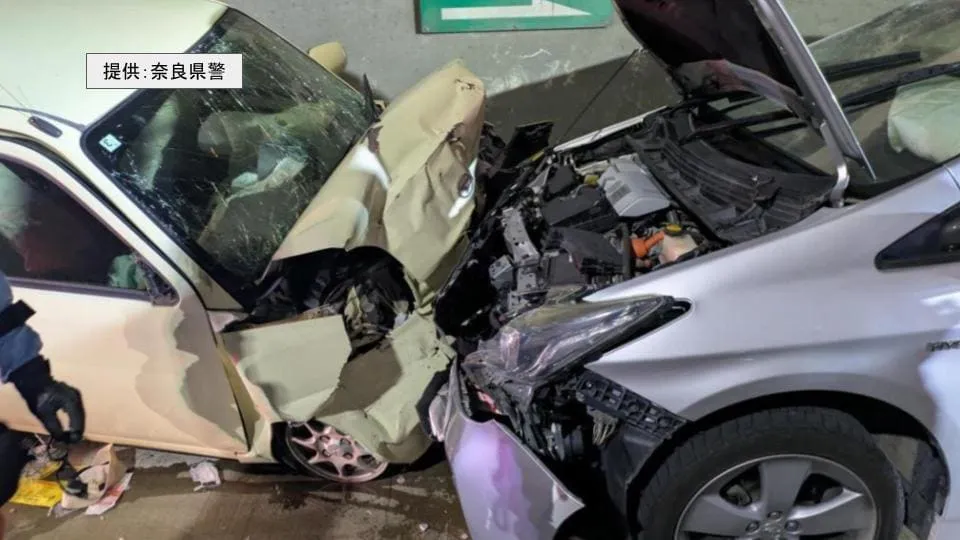
According to the court’s findings, the crash occurred on March 21 last year on a national highway in Kibichūō Town, Okayama Prefecture. While driving a passenger car, the defendant—identified in court as 神達良子 (48)—failed to keep proper watch ahead and to both sides, crossed the center line into the oncoming lane, and collided head-on with a vehicle driven by a 27-year-old local woman. The impact killed the woman and her 3-year-old son and left her daughter with minor injuries.
Judge’s Reasoning: “Serious Negligence” on a Clear Curve
Presiding Judge Yuki Matsuura stated that the defendant neglected a fundamental duty of care “on a general road with good visibility and a gentle curve,” calling the negligence “serious.” The court emphasized the irreparable loss caused by the deaths of the mother and young child, noting that no sentence can fully rectify the harm suffered by the family and the community. While prosecutors sought a longer term, the court settled on one year and eight months of imprisonment. Reporting from the courtroom focused on the length of the sentence relative to the prosecution’s demand; whether any suspension might apply was not immediately disclosed.
How Japan’s Law Treats Negligent Driving
Japan draws a clear line between dangerous driving (such as drunk or extremely reckless driving) and negligent driving that results in death or injury. Dangerous driving causing death or injury carries severe penalties, while negligent driving—like failing to maintain proper attention—can also bring significant prison terms and fines. The law aims to reinforce a culture of caution on the road, reflecting Japan’s broader emphasis on public safety and accountability.
Road Safety in Context: A Generally Safe System with Persistent Risks
Japan is widely regarded as one of the safer places to drive, with traffic fatalities trending downward over decades thanks to rigorous licensing, strict enforcement, road engineering, and a strong culture of courtesy. Yet rural stretches—particularly national highways with curves, changing speed zones, and mixed traffic—remain vulnerable to serious collisions. The Okayama case underscores that even on roads with good visibility, a moment’s inattention can have irreversible consequences. Authorities and courts consistently send a message that vigilance is non-negotiable.
For Foreign Drivers and Residents in Japan
Visitors and residents who drive in Japan should familiarize themselves with left-side driving, clear but sometimes compact signage, and frequent speed checks. An International Driving Permit or a valid Japanese license is required, and comprehensive insurance is strongly advised. Defensive driving—keeping safe following distances, anticipating curves and blind spots, and carefully observing center-line rules—is essential on national highways. This case is a sober reminder: adherence to Japan’s cautious driving norms isn’t only courteous; it is legally and morally imperative.
Why This Case Matters
Beyond the courtroom, the ruling reflects Japan’s ongoing commitment to road safety and the rule of law. By imposing a custodial sentence, the court sought to recognize the gravity of the loss and deter inattentive driving. For communities across Japan—including international residents—the takeaway is clear: respect for the rules and the road’s shared nature saves lives.