Disaster readiness spikes after a summer of shocks
After a summer marked by earthquakes and torrential rains across Japan, demand for disaster-preparedness goods is surging—especially in regional home centers that serve as community lifelines. On September 4 in Matsue, Shimane Prefecture, the Juntendo Ōba Store showcased expanded displays of emergency supplies as residents moved to strengthen household resilience ahead of the typhoon and autumn rain season.
“Water readiness is essential—tanks and bottled drinks are selling fast. We want to be part of the everyday infrastructure that supports people’s lives,” said store manager Toru Iwata, noting the sustained rush for practical items like water containers and long-shelf-life beverages. That morning, shoppers were also picking up portable toilets, a response informed by recent flooding episodes in which plumbing systems became unusable or backed up—an often-overlooked vulnerability during urban inundations.
Car escape hammers become a must-carry item
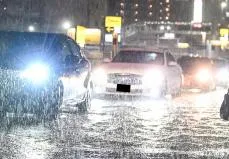
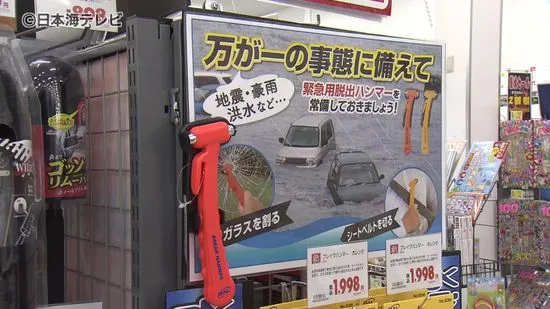
One product in particular has become emblematic of this new preparedness mindset: the car escape hammer. Designed to shatter side windows and cut seatbelts if a vehicle is trapped by floodwaters, the tool (priced at 1,998 yen, roughly US$13) saw a dramatic spike in demand following mid-August flooding in Chiba Prefecture. That disaster left broad areas submerged, with 13 fatalities reported and more than 6,000 homes damaged, and images of stranded, waterlogged cars resonated nationwide. In Shimane’s Izumo City on August 30, intense rain also flooded an underpass, submerging vehicles and reinforcing the message that drivers must be ready to act quickly.
At Juntendo Ōba in Matsue, August sales of car escape hammers were approximately seven times last year’s figure, reaching around 240 units for the month. The store’s experience mirrors a broader shift: drivers across Japan are adopting a practical checklist for floods—keep an escape tool within reach of the driver’s seat, avoid low-lying underpasses during heavy rain, and remember that side windows (not windshields) are usually the ones that can be broken in an emergency.
Water-absorbing sandbags: quick barriers, big impact
Another standout is the water-activated sandbag, which replaces traditional soil fill with superabsorbent polymers similar to those used in diapers. When submerged, each bag swells in about three minutes to weigh roughly 12 kilograms, forming instant barriers against encroaching water at doorways and low-lying vents. For households and small businesses, these compact, easy-to-store bags are proving invaluable for rapid, do-it-yourself flood defense when rain bands stall and water levels rise suddenly.
Why Japan is doubling down on preparedness
Japan’s geography and climate make vigilance essential. Narrow river basins, densely built urban areas, and seasonal weather patterns—from the Baiu rainy season to late-summer typhoons—create conditions ripe for flash flooding. In recent years, “linear precipitation bands” have produced localized deluges that exceed drainage capacity in hours. While national and local authorities continually strengthen flood defenses, household-level readiness remains the bedrock of safety.
Home centers like Juntendo play a vital role in this ecosystem—stocking practical solutions, advising residents, and rapidly adjusting inventories in response to real-world events. It is a model of community-oriented retail that underscores Japan’s pragmatic approach: empower individuals and neighborhoods to act quickly, complementing formal emergency services.
What newcomers and visitors to Japan should know
- Check your local hazard map and know your nearest evacuation site (designated shelters vary by municipality).
- Assemble a “go-bag” with water, food, power banks, medications, and portable sanitation.
- For drivers: store a car escape hammer within arm’s reach and avoid flooded underpasses.
- Consider water-absorbing sandbags if your home or shop entrance sits below street level.
- Sign up for local alerts and weather apps; learn basic phrases for warnings and evacuation.
A culture of readiness—backed by innovation
Japan’s steady market for preparedness goods reflects a broader culture of safety that values practical tools and clear guidance. From compact, water-activated sandbags to affordable escape hammers and portable toilets, the focus is on accessible solutions that ordinary people can deploy in minutes. As this summer’s severe weather has shown, that readiness can make a decisive difference—protecting property, easing strain on responders, and, most importantly, saving lives.