Summary
A major landslide along the Nepal–China border has triggered anger over limited information from the Chinese side, with foreign media reporting they cannot access the site. China cites risks of secondary disasters and relies on state media coverage that highlights drones and AI tools but provides few direct voices from survivors. Human Rights Watch says information controls are making it hard for families to learn the fate of loved ones. Nepalese authorities issued several casualty updates on day one, while Chinese state TV had shared around six updates by the fourth evening. Reuters and ABC both noted that access for foreign journalists was denied or restricted. Why it matters: trusted data drives rescue decisions and reassures worried families across borders. For Japan-based readers with ties to Nepal, this is a timely reminder that clear, public-facing disaster information saves lives. Japan’s open-data approach, hazard maps, and multilingual alerts offer a regional model. Read our full breakdown to see what to watch next—and how Japanese expertise could help.
Anger grows over information gaps
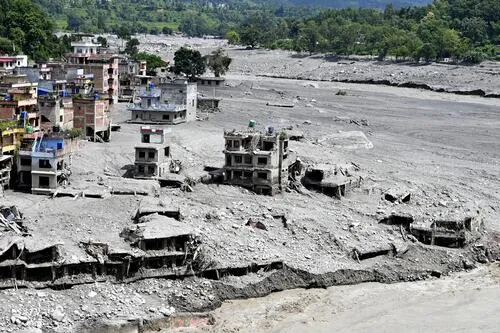
Reports of a large landslide along the Nepal–China border have ignited frustration over limited, tightly managed information from the Chinese side, even as families with loved ones in the area search for clarity. With foreign media access restricted and official briefings carefully controlled, state-run outlets have become the primary conduit of updates, emphasizing high-tech rescue tools over the voices of survivors. The dynamic has raised urgent questions about transparency in a fast-moving disaster that appears to have affected people of multiple nationalities and communities straddling a rugged, sensitive frontier.
Media access and official response
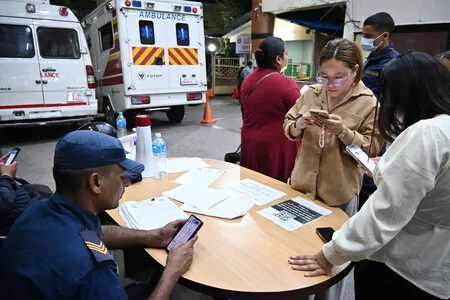
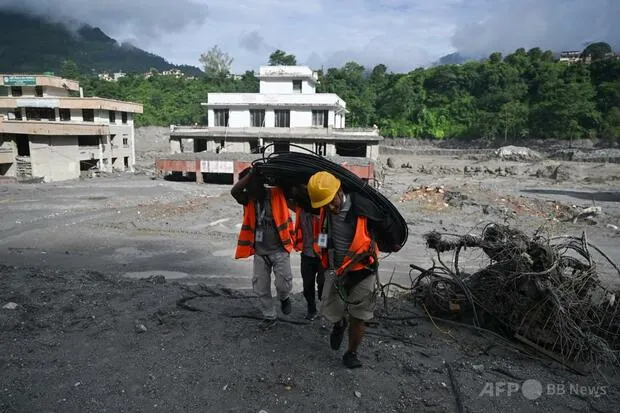
At a recent press conference, an Australian journalist asked China’s Foreign Ministry why, given that citizens of several countries were reportedly impacted, foreign media were not allowed into the affected area. A ministry spokesperson cited the risk of secondary disasters and pledged that updates on casualties and rescue efforts would be released “as appropriate.” Access remains particularly constrained in the Tibet Autonomous Region, where foreign journalists are not free to travel, according to multiple outlets. Australia’s public broadcaster ABC said it sought permission to report on the ground but was denied, while Reuters noted that information remains limited and largely sourced from government-controlled media. China Central Television (CCTV) has broadcast extensively from the scene, focusing on images of ongoing rescue operations; however, accounts directly from victims and their families have been sparse. Human Rights Watch criticized the information controls, saying they make it harder for families to confirm the status of relatives. While Nepalese authorities issued several updates on fatalities and the missing on the first day, state television in China had posted around six discrete updates as of the evening of the fourth, underscoring a notable gap in cadence and detail. Chinese officials, for their part, maintain that the process is open, transparent, and timely.
High-tech rescues dominate the narrative
Chinese state media have prominently showcased the use of drones, AI-enabled sensors, and other advanced technologies at the scene—spotlighting drone-supported transport of responders and AI-equipped monitoring systems designed to reduce the risk of fresh landslides. The messaging aligns with Beijing’s stated strategy of placing artificial intelligence at the core of national development and accelerating deployment of unmanned systems, rescue robots, and related tools across local governments. Officials argue that technology is helping to prevent secondary damage and to map hazards quickly in difficult terrain.
Why it matters beyond the border
Information bottlenecks during cross-border disasters complicate humanitarian coordination, hamper family reunifications, and can erode public trust. The Himalayas’ remote topography, geopolitical sensitivities, and diverse communities make rapid, credible communication even more critical. For travelers, climbers, and business staff operating in Nepal and neighboring regions, dependable updates guide life-or-death choices on mobility, logistics, and shelter. Aid agencies, too, depend on clear situational awareness to calibrate search-and-rescue deployments, medical triage, and supply chains.
Japan’s playbook: openness, science, and steady hands
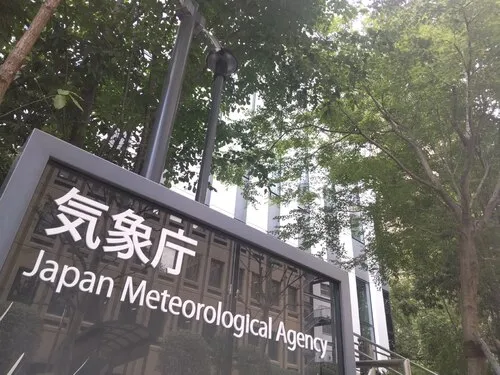
Japan’s long experience with earthquakes, typhoons, floods, and landslides has forged a disaster culture that prizes fast, multilingual public information and scientific transparency. Tools and practices familiar to residents and foreign visitors in Japan—from real-time alerts by the Japan Meteorological Agency and municipal hazard maps to NHK World’s multilingual broadcasts and open-data platforms—offer a useful regional model. Japan has a deep track record in Nepal as well, including post-2015 earthquake assistance, long-running capacity-building through JICA, and scientific collaboration on landslide and flood risk. On the space side, Japanese satellites such as JAXA’s ALOS-2 can provide radar imagery that helps detect ground deformation and landslide footprints, while international mechanisms like the “Space and Major Disasters” charter can be activated by authorities to accelerate data sharing. For Japan-based readers with ties to Nepal—whether mountaineering teams, students, or company staff—monitoring official Nepal updates alongside embassy advisories remains essential. Tokyo’s disaster know-how, from community drills to interoperable data standards, demonstrates how open information paired with advanced technology builds trust and saves lives.
What to watch
- Whether authorities grant broader media access to the affected Tibetan areas and publish more granular casualty and location data.- Independent satellite analyses that could clarify the scale and trajectory of debris flows.- Potential requests for international assistance and coordinated cross-border rescue measures.- The balance of state media’s tech-forward narrative with testimonies from survivors and families.- Opportunities for regional cooperation, including Japan–Nepal scientific support and data exchanges that strengthen preparedness across the Himalayas.