Death Toll Rises as Fifth Day of Rescues Begins
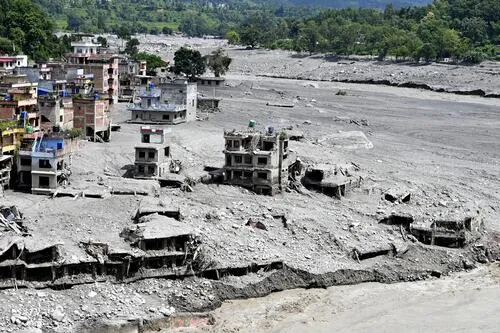
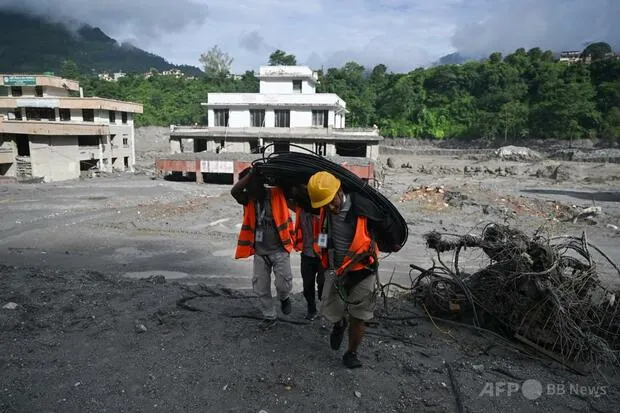
Nepal’s National Disaster Risk Reduction and Management Authority (NDRRMA) announced on the 30th that at least 734 people have died and 2,498 remain missing after devastating landslides and floods struck near the country’s border with China. The disaster, which began on the 26th, has entered its fifth day of rescue operations, with emergency teams battling difficult terrain, damaged roads, and fast-changing weather.
Across the border in Tibet, Chinese media previously confirmed 16 deaths and 546 missing. Taken together, the cross-border tragedy has now claimed at least 750 lives, with 3,044 people still unaccounted for. In a stark illustration of the disaster’s complexity, Indian authorities have recovered seven bodies floating downstream from rivers that flow out of Nepal; those figures are not yet reflected in Nepal’s official total.
Foreign Nationals Among the Missing—Including Five Japanese
Nepal’s latest figures show 589 foreign nationals are unaccounted for, including five Japanese citizens. According to NDRRMA, many of the missing also include workers linked to hydropower projects situated along river valleys that were hit by violent surges; 933 workers from such sites are among those who have not yet been located.
Even amid the grim tally, there are signs of progress: authorities say 8,186 people have been rescued so far, including 227 foreign nationals. With access routes intermittently cleared, helicopters and ground teams have been shuttling supplies and evacuating the injured when weather permits.
Why the Region Is So Vulnerable
The Himalayan foothills are highly prone to landslides, particularly during intense rainfall in the monsoon season. Steep slopes, fragile geology, and expanding infrastructure in narrow valleys can amplify risks when rivers rise quickly. This latest disaster underscores the transboundary nature of Himalayan river systems: watersheds span Nepal, China, and India, meaning floods, debris flows, and search efforts cross borders too.
Hydropower development—vital to Nepal’s economic growth—often clusters along river corridors. When extreme water surges strike, work camps and access roads can be hit hard. The high number of missing hydropower workers highlights both the sector’s importance and its exposure to climate- and weather-related hazards.
Japan’s Stake: Safety, Solidarity, and Expertise
With five Japanese nationals among the missing, Japan’s attention is firmly on the unfolding crisis. The Embassy of Japan in Kathmandu is closely monitoring developments and urges Japanese residents and travelers in Nepal to follow local guidance, register contacts, and check advisories from Japan’s Ministry of Foreign Affairs. For Japan’s community of travelers, students, and business professionals across South Asia, the incident is a reminder to keep emergency plans, documents, and communication channels up to date.
Japan has long-standing ties with Nepal through tourism, mountaineering, and development cooperation. Japanese agencies and NGOs have a notable record in disaster risk reduction across Asia—from landslide monitoring and early warning to resilient infrastructure and community training. Should Nepal request additional international support, Japan is well placed to contribute expertise, equipment, and coordination through established frameworks and partnerships.
What to Watch Next
Authorities in Nepal continue to update casualty figures as access improves and more communities are reached. Priority operations include reconnecting cut-off settlements, restoring communications, and stabilizing slopes to prevent secondary slides. For families abroad, confirmation of the missing will likely take time given the terrain and disrupted records in work sites and remote villages.
For travelers and residents, the situation remains fluid. Avoid non-essential travel to affected districts, monitor official advisories, and maintain contact with embassies and local authorities. As the monsoon progresses, vigilance will be essential—not only in Nepal, but across the Himalayan region where heavy rain can trigger sudden hazards.
Key Numbers at a Glance
— Nepal: at least 734 dead, 2,498 missing (NDRRMA).
— Tibet (China): 16 dead, 546 missing (local media).
— Combined: 750 dead, 3,044 missing.
— Foreigners missing in Nepal: 589, including five Japanese.
— Hydropower workers missing in Nepal: 933.
— Rescued in Nepal so far: 8,186, including 227 foreigners.
— India: seven bodies recovered downstream, not yet in Nepal’s official count.
Japan stands with Nepal in this difficult hour—offering sympathy, attention, and a commitment to practical cooperation that can save lives today and build resilience for tomorrow.