Tokyo seeks urgent cooperation after Nepal debris-flow disaster
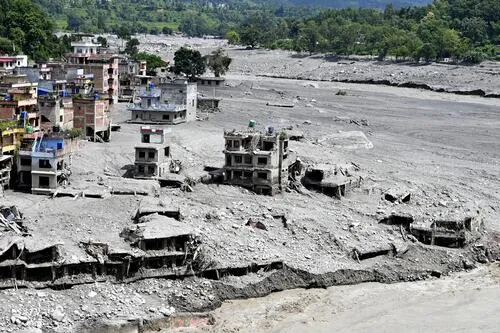
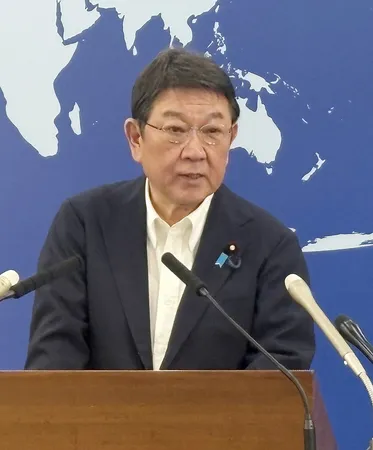
Japan has asked Nepal for maximum cooperation to quickly locate and rescue five Japanese nationals who remain unaccounted for following a severe debris-flow disaster, according to a phone call held on the 31st between Japanese Foreign Minister Toshimitsu Motegi and his Nepalese counterpart, Foreign Minister Kanal. During the call, Motegi urged authorities in Kathmandu to prioritize search-and-rescue coordination, emphasizing the need for rapid information-sharing and on-the-ground support in affected areas.
Foreign Minister Kanal responded that Nepal would “do its utmost” and work closely with Japan as well as the broader international community to accelerate search efforts. The exchange underscored the strong ties between Tokyo and Kathmandu in times of crisis, and reflected Japan’s wider commitment to safeguarding its citizens overseas while contributing constructively to humanitarian responses.
Emergency supplies dispatched; international support and JDR deployment under review
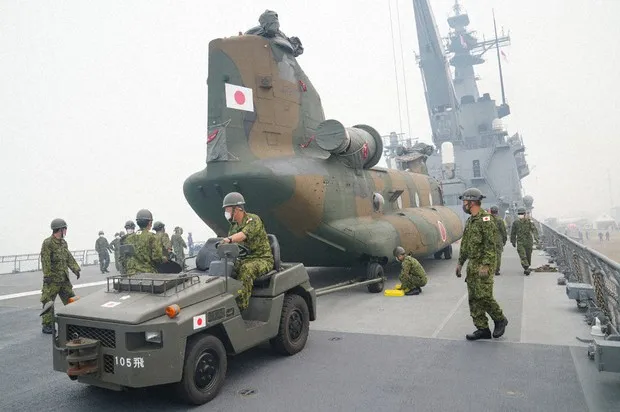
Motegi said the Government of Japan has already decided to provide emergency relief supplies—including tents and blankets—to support those displaced by the disaster. He added that Tokyo is considering further steps through international organizations and is weighing the dispatch of a Japan Disaster Relief (JDR) team, depending on local needs and conditions. Nepal’s foreign minister expressed appreciation for the assistance and the prospect of expanded cooperation.
Japan’s JDR teams are internationally respected for rapid deployment and professional capability, spanning search-and-rescue, medical, and logistics support. Their involvement, if requested and approved, would bring high-level technical expertise and coordination to challenging terrain where access can be hampered by unstable slopes, washed-out roads, and adverse weather.
Why landslides in Nepal demand coordinated action
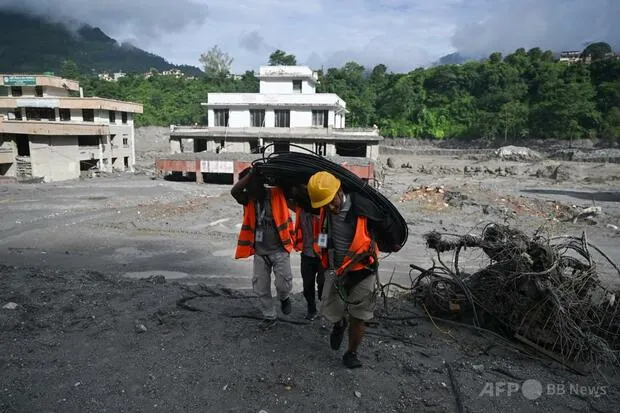
Debris flows and landslides are a recurring hazard in Nepal, particularly during periods of intense rainfall. The country’s mountainous geography, combined with fragile slopes and expanding rural road networks, makes many communities vulnerable. In such environments, early warning, community mapping, and inter-agency coordination are critical—and this is where Japan’s long-standing collaboration with Nepal has often proved invaluable.
For decades, Japan has supported Nepal through development cooperation and disaster risk reduction initiatives, including technical training, infrastructure support, and post-disaster recovery. Following major natural disasters in the region, Japan has routinely stepped in with humanitarian aid and expertise, reflecting its broader policy of proactive contribution to peace and human security in Asia.
Protection of Japanese nationals and guidance for travelers
Japan’s foreign ministry operates a robust crisis-response framework to protect citizens overseas. In situations like this, officials consolidate information through embassies on the ground, coordinate with local authorities, and prepare tailored assistance. Japanese residents and travelers are encouraged to stay in close contact with the Embassy of Japan in Kathmandu, monitor official travel advisories, and register their travel plans through the ministry’s services to receive timely updates. These practical steps help speed communication, enable targeted assistance, and support family notifications during evolving emergencies.
What to watch next
In the coming hours and days, watch for updates on the status of the five unaccounted Japanese nationals, details on the delivery and distribution of emergency supplies, and any formal decision regarding a JDR deployment. Japan’s rapid outreach to Nepal demonstrates both its commitment to its citizens and its readiness to partner with friends in South Asia when disaster strikes—an approach that reinforces trust, saves lives, and strengthens resilience across the region.