Live appeal over a mystery at public libraries
In a rare on-air plea, veteran broadcaster Ryoji Ishii used a live segment of TBS network’s weekday program “Gogo Suma” to urge the return of hundreds of missing library books in Kitakyushu, northern Kyushu. Pointing a finger at the camera, the 49-year-old host addressed whoever may have taken the volumes: “If you’re watching and you took them—return them.” The unusual appeal comes as authorities in Kitakyushu City report that roughly 400 paperback books have gone missing from public library shelves, in a case now being treated as suspected theft.
What happened in Kitakyushu
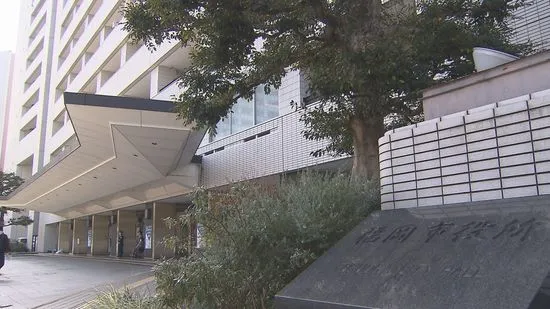
The issue surfaced on August 6 at Kitakyushu City Central Library when staff could not locate a reserved novel by author Minoru Inaba. A broader check of the paperback shelves revealed a far larger problem: a significant number of paperbacks—around 400 tied to a specific author—were unaccounted for. Missing books were reported at both the Central Library and the Tobata Library. The city’s Board of Education, which oversees the library system, has filed a police report on suspicion of theft. Among the absent titles were works by bestselling novelist Keigo Higashino, according to coverage highlighted on the program.
An unusual on-air moment
Ishii, known for his direct, plain-spoken style, explained that while many libraries sound an alert if materials leave without being properly checked out, the Kitakyushu facility in question did not use that system for the paperbacks involved. “If a checkout isn’t processed, some libraries make a ‘beep’ at the gate,” he noted, before lamenting that public property could be taken so easily. His live appeal—“return them”—captured attention nationally, tapping into Japan’s strong social expectation of responsibility and respect for shared community resources.
Why this matters in Japan
Japan’s libraries are pillars of community life, prized for quiet study spaces, extensive collections, and family-friendly programs. For residents, membership is typically free with proof of address, and borrowing limits are generous. Incidents like this are unusual in a country with comparatively low crime rates and a culture that celebrates reading—from prizewinning literary fiction to mass-market mysteries that often top bestseller lists. The reported losses raise important questions for local governments: how to balance open access and trust with practical safeguards, and how to prioritize budgets for security technologies such as RFID tagging or gate alarms, especially for high-turnover paperback shelves.
Swift reporting and public accountability
Authorities acted quickly by submitting a damage report to police, signaling a clear commitment to protecting public assets. The on-air coverage by a major national network further underscores transparency and a community-first approach: shining light on the issue, encouraging civic responsibility, and reminding viewers that library collections belong to everyone. Even Ishii’s choice to address the camera directly speaks to a broader Japanese ethos—appeals to conscience and community norms can be powerful tools alongside formal enforcement.
Context for foreign readers and expats
Kitakyushu, an industrial and innovation hub in Fukuoka Prefecture, is known for forward-looking environmental policies and international exchange. Its libraries, like many across Japan, serve students, families, and an increasing number of foreign residents. For newcomers, local libraries offer multilingual resources, children’s programming, and access to popular Japanese authors such as Keigo Higashino—whose works, now partly missing from the shelves, are often a gateway to Japanese literature for learners. The current case may accelerate discussions on upgrading systems while keeping libraries welcoming and accessible—changes that would ultimately benefit both Japanese patrons and the international community.
What’s next
The police investigation is ongoing, and the city is expected to review countermeasures. For now, the most immediate solution may also be the simplest: a voluntary return. As Ishii put it, the books are the community’s property. Bringing them back would restore not only the shelves—but also the trust that keeps Japan’s libraries open and thriving.