Japan’s Economic Security Minister rebuts magazine report
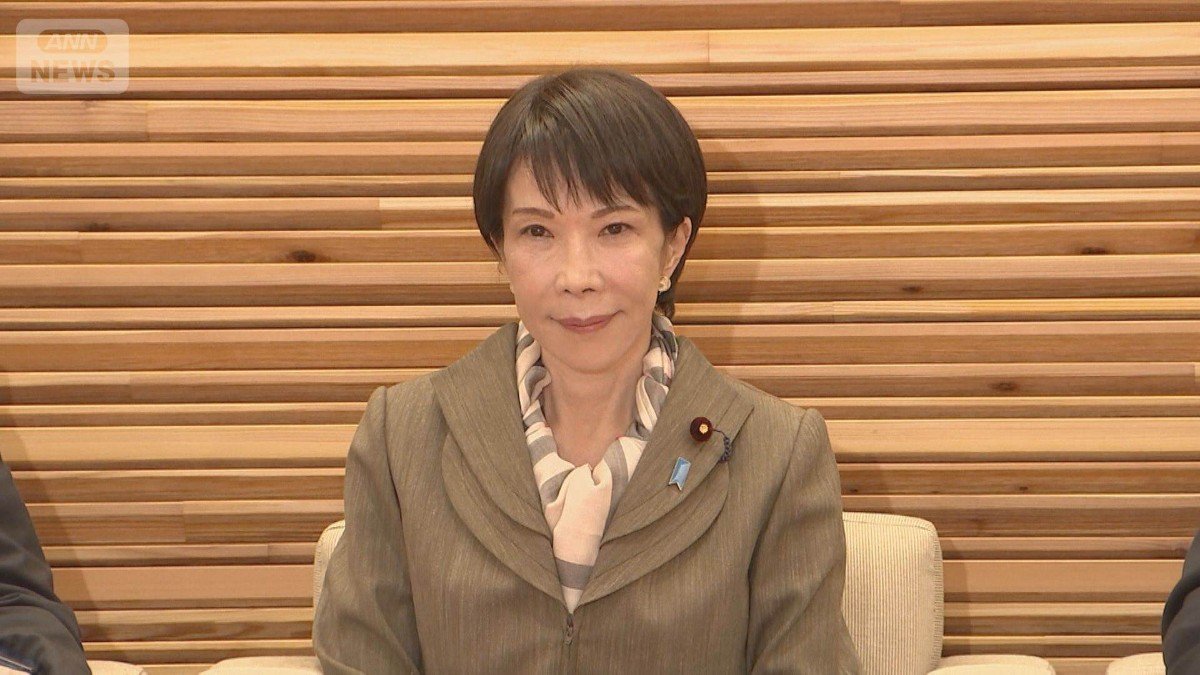
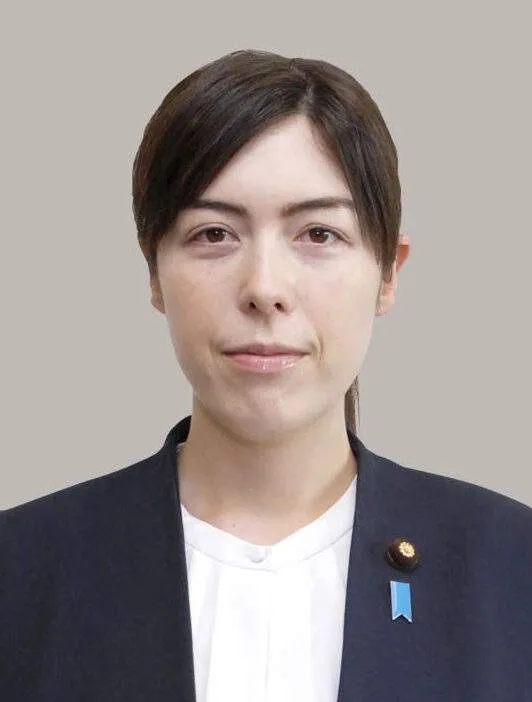
Japan’s Minister in charge of Economic Security, Onoda Kimi, rejected a weekly magazine report alleging a violation of the country’s election law, stating at a post-cabinet press conference on the 4th that the claims “do not apply.” The article, published on the 3rd by Shukan Bunshun (Weekly Bunshun), asserted that her team operated two campaign offices during the 2022 House of Councillors (Upper House) election—one in Okayama City and another in Setouchi City—despite rules that allow only one designated election office. Onoda countered that all election activities were conducted from the officially filed office in Okayama City and that the location in Setouchi City was not used for campaign operations. She further explained that rent for the Setouchi site was mistakenly recorded in her campaign finance report and will be corrected in consultation with the election management commission.
What Japan’s election law seeks to ensure
Japan’s Public Offices Election Act sets detailed ground rules for campaigns, including strict limits around official election offices, signage, staffing, and financing. These provisions are intended to preserve fairness, prevent undue advantage, and enhance transparency across competitive races. When reporting discrepancies are found—or when candidates identify errors—Japan’s system provides a mechanism to amend filings through the relevant election commission. Officials emphasize that such corrections, when promptly handled and documented, help maintain public trust in the democratic process. In this case, Onoda’s pledge to rectify the accounting entry underscores the emphasis on procedural compliance.
About the minister and why the role matters
Onoda Kimi, a member of Japan’s House of Councillors representing Okayama Prefecture, currently serves as Minister for Economic Security—a portfolio that has grown in strategic importance. The role coordinates policies to strengthen supply chains, protect critical technologies, enhance cyber and infrastructure resilience, and align export controls with allied partners. For international readers and investors, stability in this post signals continuity in Japan’s approach to safeguarding semiconductors, advanced manufacturing, and key materials—sectors that are deeply integrated into global value chains. Any political turbulence around a cabinet member in this position naturally draws attention, although there is no confirmation of wrongdoing at this time, and Onoda remains in office while addressing the filing issue.
The media scrutiny factor
Shukan Bunshun is one of Japan’s most closely watched weeklies, known for aggressive investigative reporting that frequently sets the national agenda. Its scoops can spur intense debate, parliamentary questioning, and, in some cases, resignations. At the same time, Japanese political culture places a premium on official explanations and documentary records, and the system allows for due process: allegations are examined, statements are made on the record, and public bodies can request clarifications or corrections. This checks-and-balances dynamic—combining a probing media environment with formal legal procedures—helps keep the public informed while protecting the integrity of governance.
What to watch next
Attention now turns to the mechanics of the reported correction: when Onoda’s camp submits an amended accounting entry, whether the election management commission requests further details, and how opposition parties respond in the Diet. For foreign residents and businesses watching Japan, the episode highlights a rule-of-law culture in which procedural accuracy matters and discrepancies are addressed transparently. With economic security a top policy priority for Tokyo, the government will seek to keep its agenda on track—shoring up strategic industries, working closely with partners, and reinforcing Japan’s resilience against geopolitical risk. The coming days will clarify whether the controversy remains confined to a paperwork fix or evolves into a broader political debate; for now, the minister’s denial and commitment to correction set the tone for a swift, rules-based resolution.
Bottom line
Onoda Kimi denies breaching Japan’s election law, says her 2022 campaign used only the officially declared office in Okayama City, and intends to correct a rent entry that was mistakenly logged. The process now moves to formal review and documentation—an example of Japan’s institutions working openly to uphold fairness and public confidence.