Nagoya Customs reports unprecedented seizure total
Nagoya Customs has blocked approximately 550,000 items suspected of infringing intellectual property rights during the six months through June, marking the highest figure since the customs authority began publishing comparable records in 2011.
The total was around 23 times higher than during the same period last year, highlighting the growing challenge faced by Japanese authorities as counterfeit goods move through international supply chains and online shopping channels. The seized items included fake branded products and unauthorized reproductions of popular consumer goods.
Hot eye masks account for most seizures
More than 90 percent of the items stopped by Nagoya Customs were hot eye masks. These products are widely used in Japan as a convenient way to relax tired eyes, particularly after work, travel, or extended screen time. Their popularity has also made them attractive targets for unauthorized production and distribution.
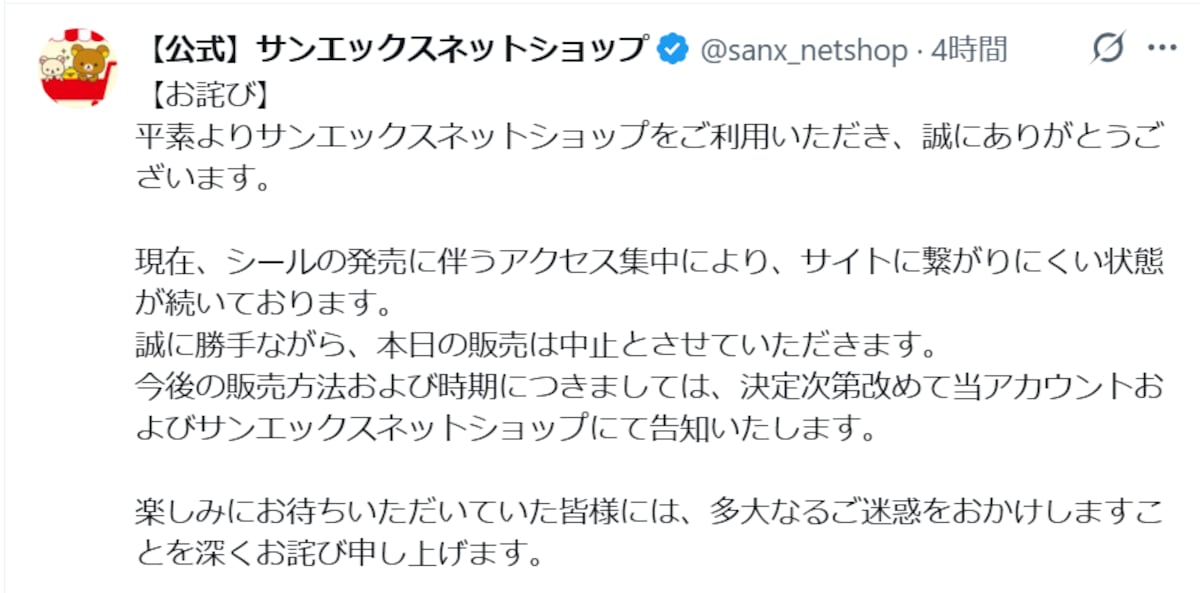
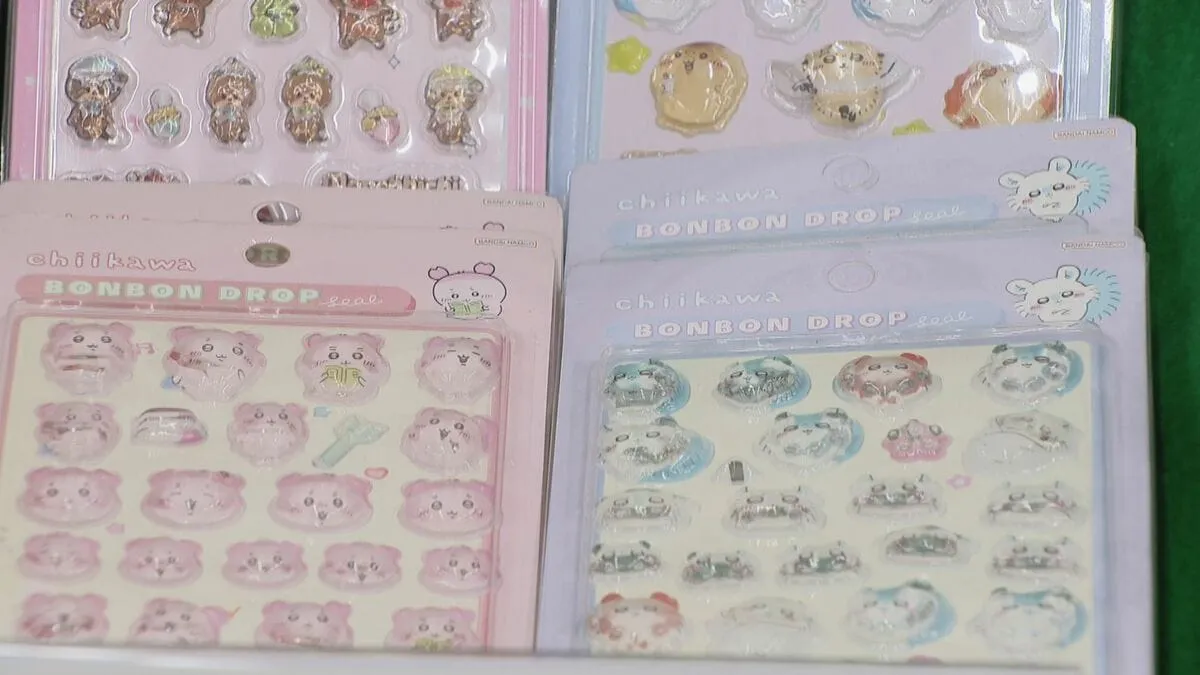
Customs officials also reported a sharp increase in counterfeit stickers and decals. Fake versions of “Bonbon Drop” stickers, which have become especially popular among younger consumers, were among the products seized. The number of counterfeit seals and stickers was approximately 8.5 times higher than during the same period last year.
Bonbon Drop stickers are known for their colorful designs and raised, glossy texture. They have become part of a broader Japanese trend involving decorative stickers, character goods, stationery, and collectible lifestyle products. Young shoppers often use them to personalize notebooks, phone cases, planners, and other everyday items. The trend has also attracted overseas interest, increasing demand and creating opportunities for counterfeit sellers.
China is the leading origin of intercepted goods
By country of origin, goods brought in from China accounted for the largest share of the items stopped by Nagoya Customs. The figure refers to the origin of the intercepted shipments and does not mean that all products imported from China are counterfeit. International manufacturing and logistics networks are complex, and customs authorities assess individual shipments based on available evidence.
Nagoya is one of Japan’s most important commercial and industrial centers. Its customs jurisdiction includes major transport links serving the Chubu region, including areas around Nagoya Port and Chubu Centrair International Airport. The region is home to major manufacturing, retail, and distribution networks, making effective border enforcement important for both consumers and legitimate businesses.
Customs urges caution over unusually cheap online products
Nagoya Customs is warning shoppers to be particularly careful when purchasing goods through online marketplaces and other e-commerce websites. Products offered at prices dramatically below their official retail prices may be counterfeit, unauthorized, or otherwise unreliable. Consumers are encouraged to check whether a seller is an official retailer, review product photographs and descriptions carefully, and confirm the site’s return and contact information before placing an order.
Counterfeit goods can create risks beyond lost money. They may not meet Japanese safety standards, could contain unsuitable materials, or may provide no reliable warranty or customer support. Buying unauthorized products can also harm creators, designers, brand owners, and small businesses whose work is copied without permission.
The record reported by Nagoya Customs serves as a reminder that Japan’s popular character goods, beauty products, stationery, and lifestyle items are increasingly targeted in the global counterfeit market. For residents and visitors alike, purchasing through official Japanese stores and verified retailers remains the safest way to enjoy these products while supporting the original creators and brands.