Cabinet approval reaches 62.5%
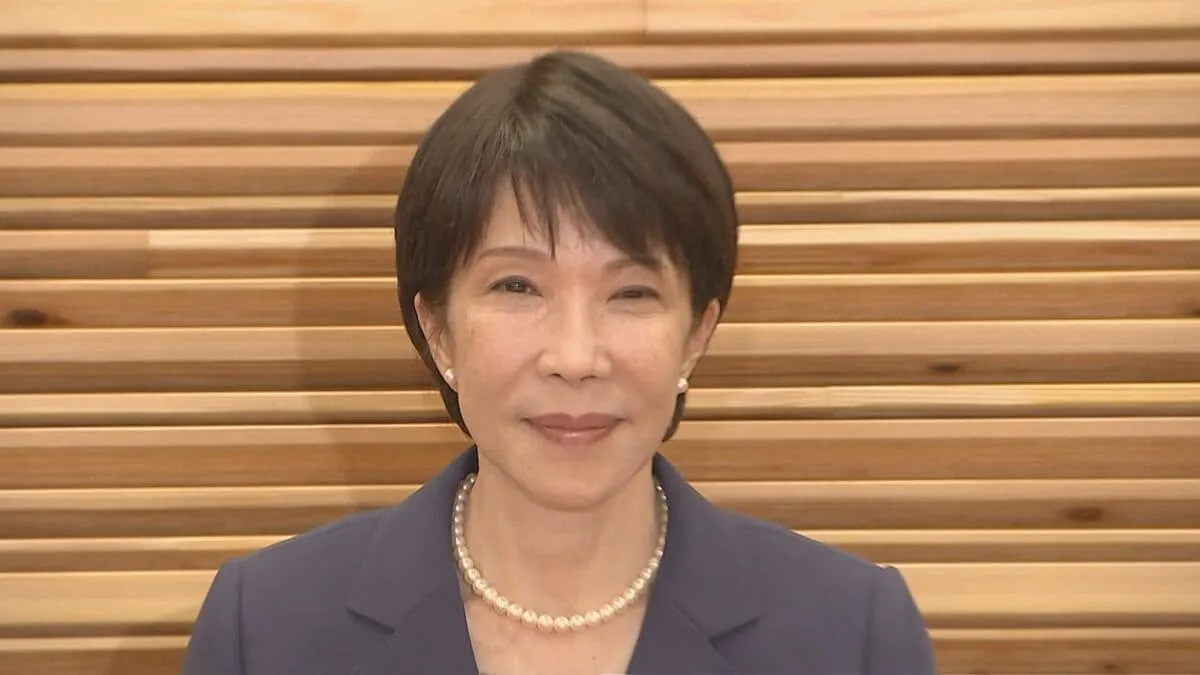
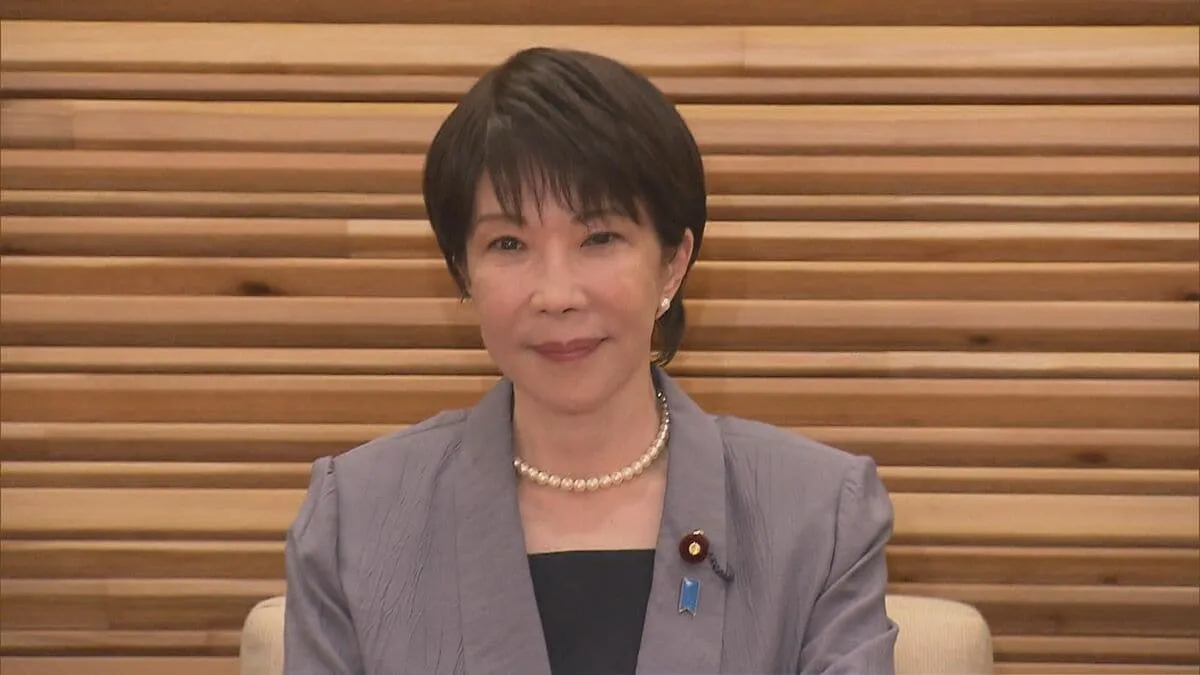
Support for Prime Minister Sanae Takaichi’s Cabinet has risen to 62.5%, according to the latest opinion poll conducted by Japan News Network, or JNN. The figure is 3.3 percentage points higher than in the previous month’s survey, indicating that the government has strengthened its public standing in the latest polling cycle.
Meanwhile, 34.9% of respondents said they did not support the Cabinet. That figure fell by 2.7 percentage points from the previous survey. The results suggest that the government’s approval rating remains considerably higher than its disapproval rating, although public opinion can shift as voters assess economic conditions, policy decisions and political developments.
Party support figures
The Liberal Democratic Party, the principal governing party, recorded support of 32.2%, up 1.3 percentage points. The figure gives the LDP a clear lead among the political parties included in the survey.
Other reported party support figures were 4.4% for Sanseito, up 1.7 points; 2.7% for the Constitutional Democratic Party, up 0.3 points; 2.6% for the Democratic Party for the People, down 0.4 points; and 2.2% for Nippon Ishin no Kai, also known as the Japan Innovation Party, down 0.7 points.
The survey recorded support of 2.0% for the Japanese Communist Party, down 0.3 points; 1.9% for Mirai, up 0.5 points; 1.3% for the Conservative Party, up 0.9 points; 1.2% for Komeito, down 0.2 points; and 1.0% for the group listed as Chudo, or “Centrist,” down 0.9 points. Social Democratic Party support stood at 0.5%, up 0.3 points, while Inochi received 0.3%, down 0.6 points. Other parties accounted for 0.6%, up 0.2 points.
The largest single category was respondents with no party affiliation, at 43.1%. Although this figure fell by 3.3 percentage points, it remains larger than support for any individual party. This highlights the importance of unaffiliated voters in Japan, particularly when governments seek to maintain approval beyond their core supporters.
How the JNN survey was conducted
JNN conducted the survey on September 5 and 6 among men and women aged 18 or older across Japan. The network contacted 2,826 people using a random-digit-dialing method that included both landline and mobile telephone numbers. Of those contacted, 1,036 people provided valid responses, representing 36.7% of the total sample. The valid responses consisted of 451 landline respondents and 585 mobile respondents.
JNN says its telephone surveys are designed to provide a broader representation of the electorate than internet-only surveys, which can attract a disproportionate number of people who are already highly interested in a particular subject. Interviewers directly asked the randomly selected respondents questions rather than relying exclusively on automated voice systems. For landline calls, the survey also selected one eligible household member at random in an effort to reduce age-related sampling imbalances.
What the numbers mean
The rise in Cabinet support is a positive development for the Takaichi administration and may provide greater room to advance its policy agenda. However, approval ratings measure public sentiment at one point in time and do not necessarily predict future election results or legislative outcomes. The large proportion of unaffiliated voters also means that changes in economic confidence, household costs, national security concerns and government performance could have a significant impact on future surveys.
For foreign residents, businesses and observers following Japan, the poll offers a useful snapshot of the country’s political environment. Japan’s governing parties continue to face a diverse electorate, while voters without formal party affiliations remain a decisive force. The next surveys will show whether the Cabinet’s improved standing represents a lasting trend or a temporary movement in public opinion.