Major services to be suspended on the 7th
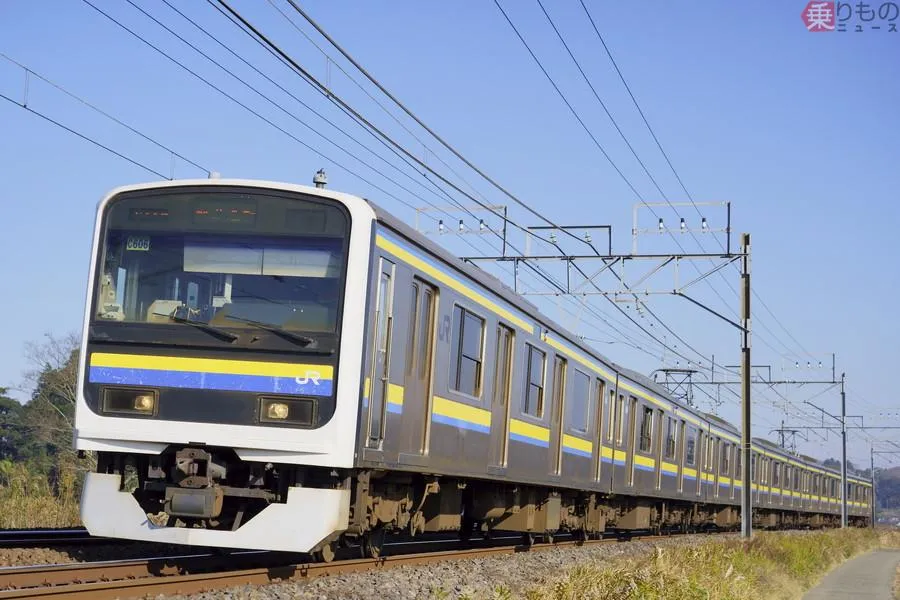
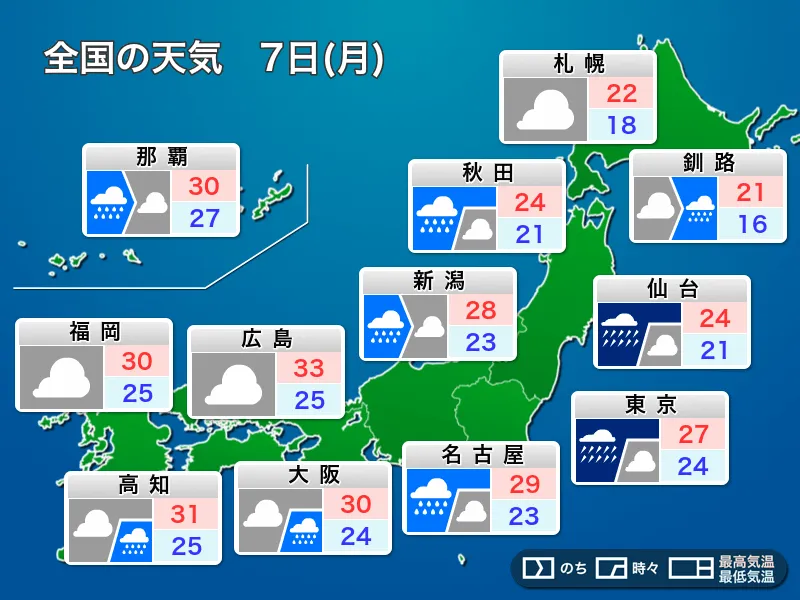
JR East has announced planned cancellations and reduced train services across the Tokyo metropolitan area on the 7th, citing a forecast of heavy rain. The company issued the notice as of 6:30 p.m. on the 6th and urged passengers to check the latest weather information and operating conditions before travelling.
The measures affect both regular commuter routes and limited-express services connecting Tokyo with popular destinations outside the capital. Depending on the development of the weather, additional cancellations, delays or changes to the operating plan may be announced.
Limited-express and sightseeing services affected
On the Tokaido Line, the Safir Odoriko and Odoriko limited-express services will be cancelled for the entire day. These trains are widely used by passengers travelling between the Tokyo area and destinations such as the Izu Peninsula, a popular region known for hot springs, coastal scenery and resort towns.
On the Chuo Main Line, Azusa and Kaiji limited-express services will be suspended from the first departures until around 6 p.m. The Fuji Excursion, which connects the Tokyo area with the vicinity of Mount Fuji, will be cancelled throughout the day.
The Kusatsu-Shima service on the Takasaki Line will also be cancelled all day. This train serves passengers heading toward the Gunma region, including the well-known hot-spring destination of Kusatsu. On the Utsunomiya Line, the Spacia Nikko and Kinugawa services will likewise be cancelled for the full day. These trains are important links for visitors travelling from the capital toward Nikko and Kinugawa Onsen.
Reduced frequency on Tokyo commuter routes
JR East also said that some major urban lines, including the Yamanote Line and Keihin-Tohoku Line, may operate with fewer trains. The Yamanote Line circles central Tokyo and serves key areas such as Shibuya, Shinjuku, Ueno and Tokyo stations. The Keihin-Tohoku Line connects important districts in Tokyo with parts of Saitama and Kanagawa, making any reduction in service potentially significant for commuters, tourists and airport-bound passengers.
Japan’s railway network is known for its extensive coverage and generally high reliability. However, heavy rain can create serious safety risks, including flooding, reduced visibility, landslides and damage to railway infrastructure. Planned service suspensions are often introduced to protect passengers and railway staff while allowing operators to respond to changing conditions.
Advice for residents and visitors
Passengers should confirm their route shortly before departure through official JR East announcements, station information displays or recognized railway apps. Travellers with reserved seats on cancelled limited-express trains should check the applicable refund or rebooking procedures. Visitors unfamiliar with Japan’s rail system should allow extra time, prepare alternative routes and avoid relying solely on a single connection.
For international travellers, it is also advisable to check whether hotel check-in times, airport transfers and sightseeing reservations may be affected. Even when a route remains open, reduced frequency can lead to crowded platforms and longer journey times. JR East’s service plans may change as the weather forecast is updated, so passengers should continue monitoring official information throughout the day.