Japan's political landscape is abuzz as the national budget, amended under a minority ruling coalition, passed the House of Representatives and moves to the Senate. A key amendment, agreed upon by the ruling parties and Nippon Ishin no Kai, is the move toward making high school tuition free for all households, regardless of income.
Current System vs. New Proposal
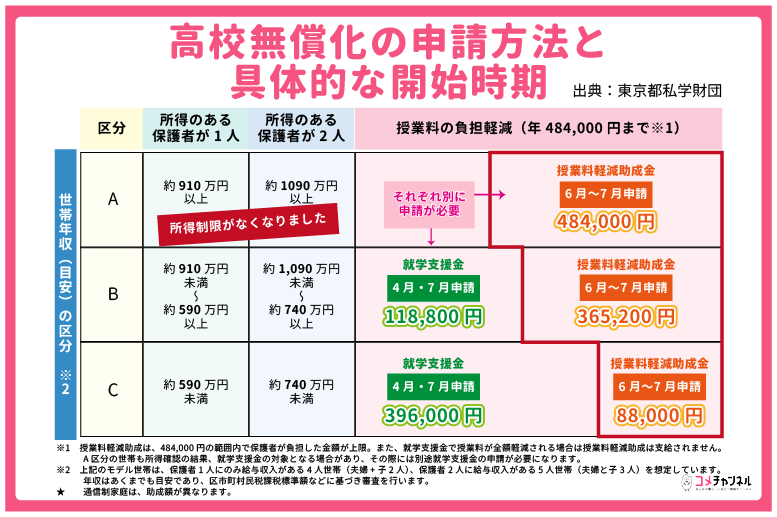
Currently, the School Enrollment Support Fund system provides ¥118,800 per year per child to households with an annual income under ¥9.1 million, covering the cost of public high school tuition. For private schools, households earning under ¥5.9 million receive additional support up to ¥396,000. The new proposal, yet to be finalized, would abolish the income restriction for the base ¥118,800 payment from next month, effectively making public high school free for all. From April next year, the income cap for the private school supplement would also be removed, and the上限 (upper limit) raised from ¥396,000 to ¥457,000, representing a major policy shift toward universal high school tuition coverage.
Why the Push for Change?
The drive for universal free high school, promised by both ruling and opposition parties in the last election, is partly fueled by Japan's relatively low public expenditure on education compared to other OECD nations. It's also seen as a crucial measure to counteract rapid depopulation by reducing the financial burden on families. The先行 (pioneering) implementation of income-free programs in Tokyo and Osaka (Nippon Ishin's base) highlighted regional disparities, creating "unfair" situations where students attending the same school received different support based on their home prefecture, strengthening calls for a nationwide, uniform system.
Potential Challenges and Considerations
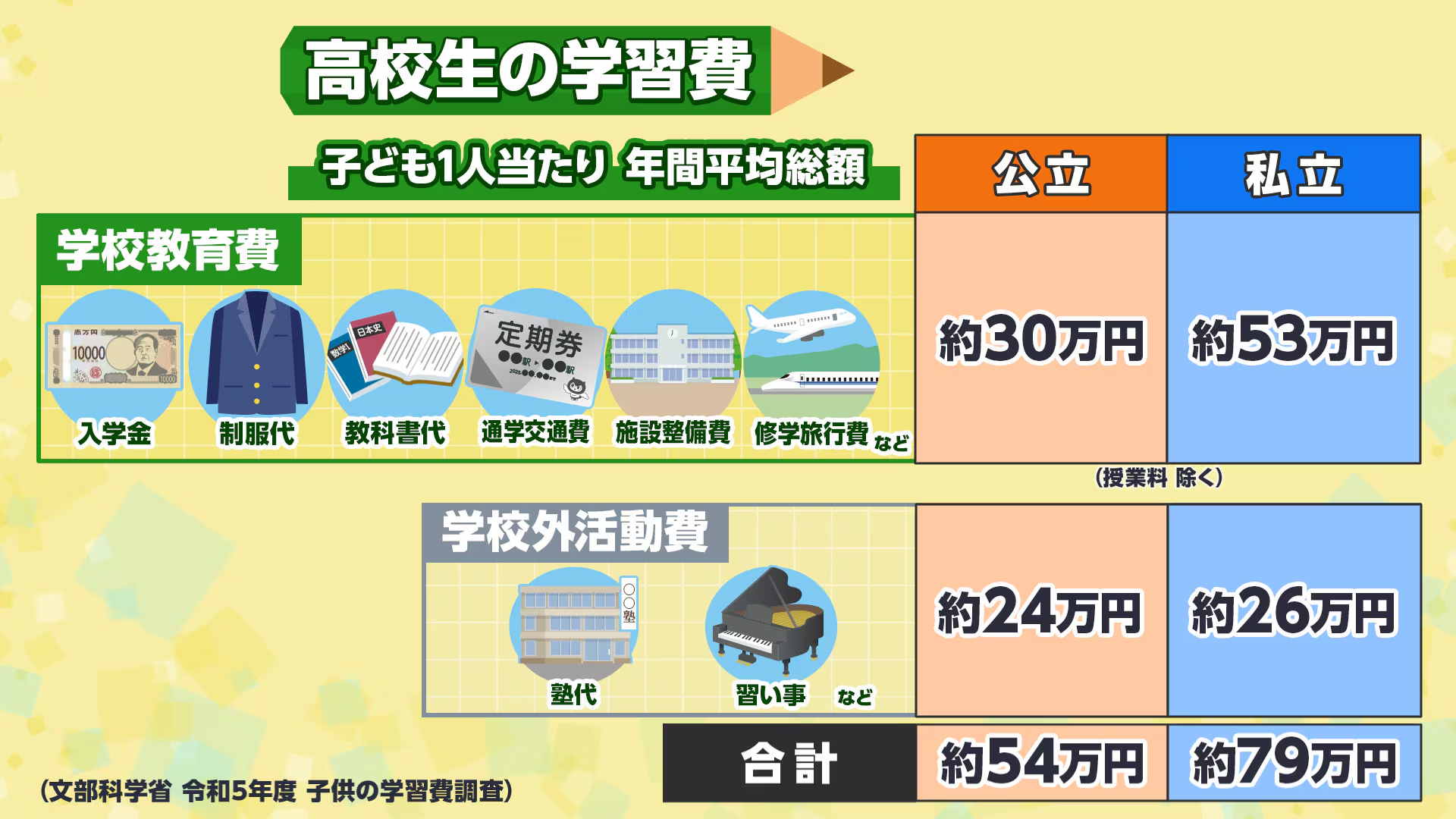
While welcomed by many families, the policy presents significant challenges. A major concern is "public school flight," where the removal of financial barriers might lead more students to choose private schools, known for their unique curricula and facilities, over public schools facing issues like delayed infrastructure upgrades and teacher shortages. This trend is already observed in Tokyo and Osaka, where many public high schools are experiencing under-enrollment. Other worries include the potential for private schools to raise tuition fees and the possibility that saved tuition money could be spent on juku (cram schools) by wealthier families, potentially creating new educational gaps. Furthermore, the substantial estimated cost of ¥400 billion requires a clear funding plan, with critics warning against simply passing the burden to future generations through government bonds. The government emphasizes that this move must be paired with efforts to enhance the quality of education in both public and private schools to ensure a balanced and equitable system for all students.