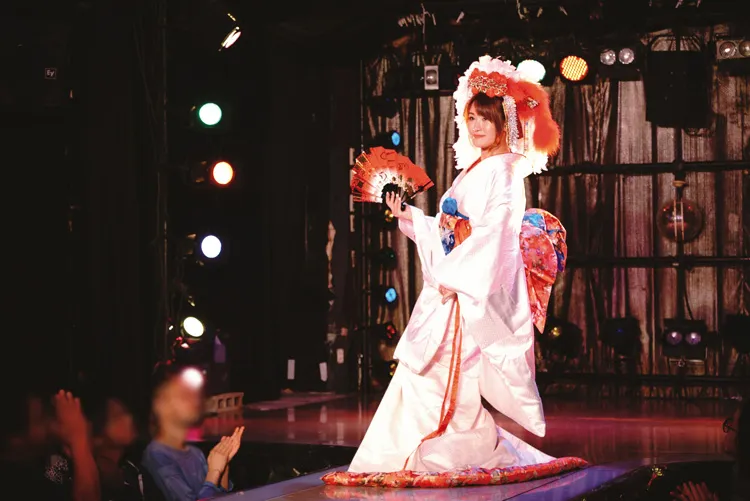
Once a vibrant part of Japanese popular culture, striptease theaters, where female dancers perform choreographed shows removing their clothes to music, are rapidly disappearing. In the Showa 40s (1965-1974), there were over 300 such establishments nationwide. Today, following successive crackdowns and the diversification of the adult entertainment industry, only about a dozen remain across Japan.
From Frame Shows to Modern Strippers
Professor Noboru Saijo of Edogawa University, a scholar of popular entertainment history, explains that Japanese striptetease originated with the Frame Show that debuted in a Shinjuku, Tokyo theater in 1947. In these shows, a topless woman would pose in the frame on stage, mimicking famous paintings, quickly gaining popularity in post-war Japan.
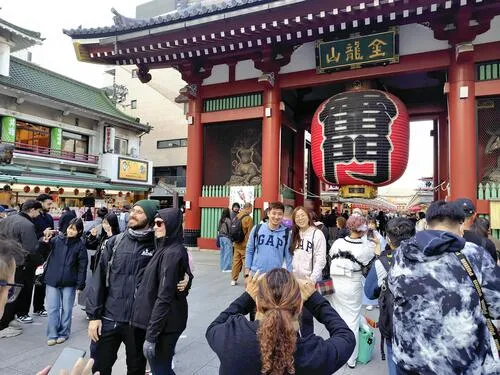
This evolved into the modern striptease, where dancers teasingly remove clothing to music. However, this development was paralleled by increasing police crackdowns. Striptease flourished, particularly in Asakusa, Tokyo, growing into a comprehensive entertainment form that also featured comedians. Iconic venues like the Asakusa France-za famously launched the careers of stars such as Kiyoshi Atsumi, Conte 55-go, and Beat Takeshi.
From the Showa 40s onward, Kansai Strip, known for its more provocative performances, gained popularity. Simultaneously, striptease that leaned more heavily into its sexual entertainment aspect also increased, leading to more frequent crackdowns.
Adapting to the Digital Age: The Rise of Sutri-jo
While mass media like television and magazines frequently covered striptease during the Showa era, its presence has gradually diminished in the digital age, where sexual content is readily available online. The number of patrons visiting for purely sexual reasons has decreased, and the nature of the shows has evolved, attracting a new demographic.
With striptease no longer regularly featured on television, many younger generations are unaware of its existence. The challenge for these remaining theaters is how to attract new customers and ensure their survival. By prioritizing artistic expression and creating a unique live experience, they hope to carve out a niche in a rapidly changing entertainment landscape.