Heavy rain risk rises across the Kinki region
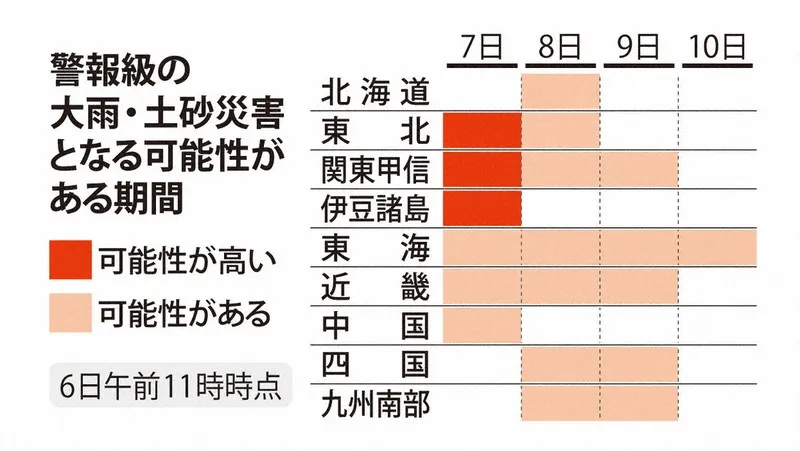
Authorities are urging people across western Japan to remain on high alert as an active autumn rain front brings the threat of intense rainfall, flooding and landslides. The Kinki region, including Osaka, Hyogo, Wakayama and surrounding prefectures, is expected to face dangerous weather conditions through the evening of the ninth, with central Kinki facing particularly serious landslide risks.
The Japan Meteorological Agency has issued its “half-day advance forecast” for a possible linear precipitation zone in several areas. This warning system is designed to provide early notice when a narrow band of thunderstorms could remain over the same location for several hours, producing exceptionally heavy rainfall in a short period. Such weather systems can cause rivers to rise rapidly and trigger landslides, especially in mountainous and hilly communities.
Tokushima already experiencing persistent rain
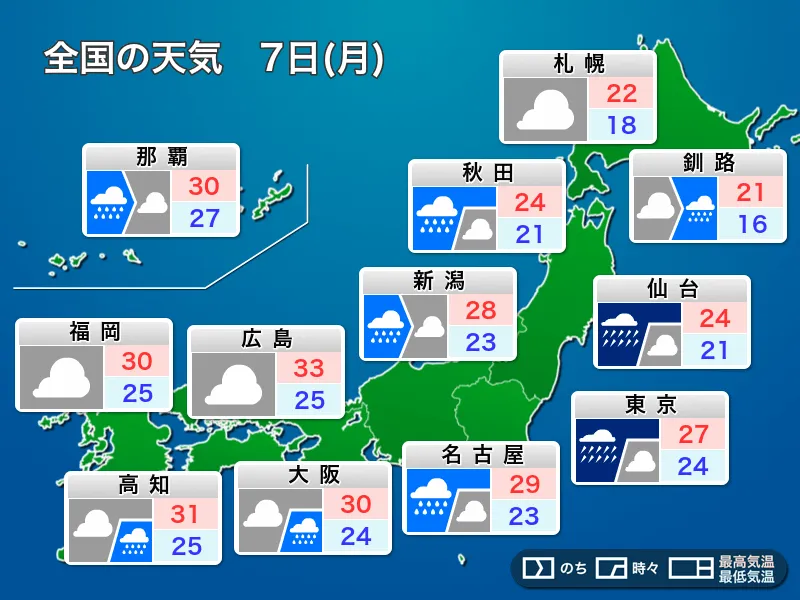
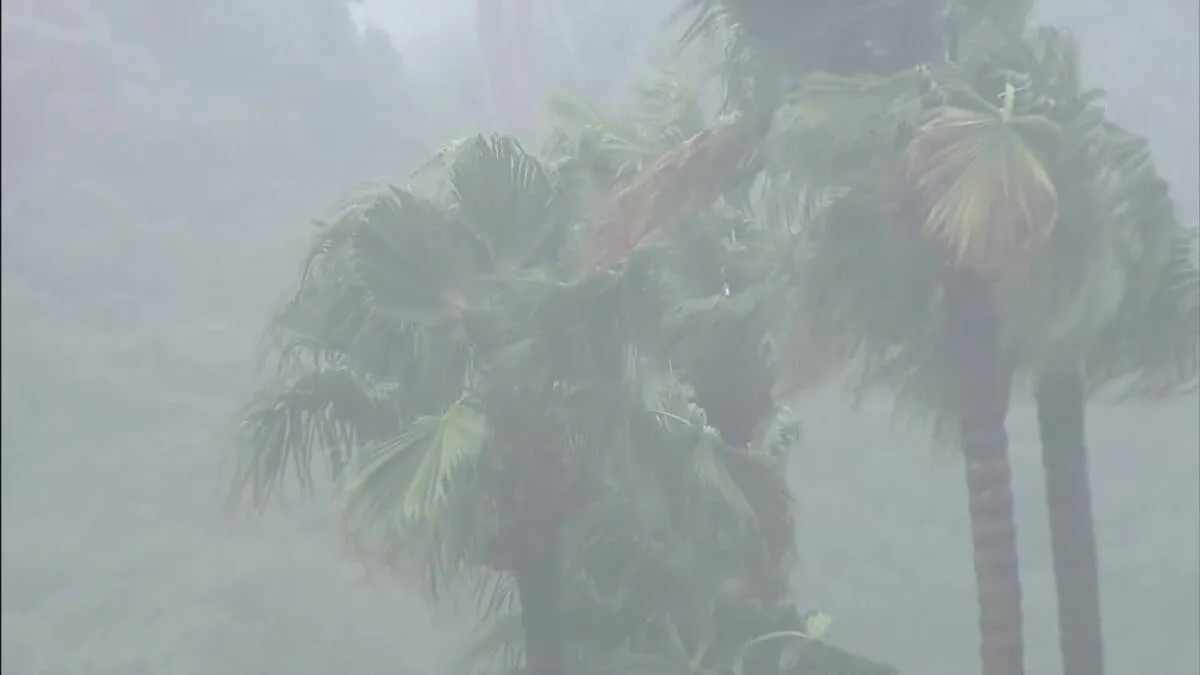
Tokushima Prefecture, where the half-day forecast was announced on the eighth, has already seen periods of significant rainfall. In Komatsushima, vehicles were seen driving through the rain and sending up sprays of water from road surfaces. In Tokushima City, rainfall reached 11 millimeters in one hour by 10 a.m., classified as moderately heavy rain.
Local residents expressed concern about the possibility of a linear precipitation zone and its potential consequences. One resident said the phenomenon was frightening and hoped that no damage, including landslides, would occur. The comments reflect the heightened awareness in communities that have experienced the dangers of sudden, concentrated rainfall in recent years.
Warnings extend to Osaka, Hyogo and Wakayama
Meteorological authorities have also issued forecasts for areas outside Tokushima. Wakayama may see an elevated disaster risk through late morning on the ninth, while Osaka and Hyogo could face heightened danger through the afternoon. Conditions may change quickly, and residents are being advised not to wait until rainfall becomes extreme before taking action.
By the morning of the 10th, the maximum expected rainfall totals are approximately 200 millimeters in central and southern Kinki and 150 millimeters in northern Kinki. These amounts can create serious hazards, particularly where the ground is already saturated or where drainage systems and rivers are under pressure.
Safety advice for residents and visitors
The agency is calling for vigilance across the entire Kinki region regarding flooding in low-lying areas, rising rivers and possible river overflow. Central Kinki is under especially strong warning for landslides. People should monitor official updates from the Japan Meteorological Agency and local governments, avoid rivers, coastal areas and steep slopes, and move to safer locations before evacuation conditions worsen.
For foreign residents and visitors, Japan’s emergency information is available through local government websites, disaster-prevention apps and multilingual services in major cities. In an emergency, follow evacuation instructions from municipal authorities and check whether your accommodation has identified shelters nearby. Trains, roads and flights may also be delayed or suspended during severe weather, so travelers should confirm transportation information before setting out.
Japan’s well-developed disaster-preparedness system provides frequent updates and clearly designated evacuation facilities, but timely personal decisions remain essential. With heavy rain expected to continue, caution and early preparation are the safest response across western Japan.