Brief sunshine gives way to renewed rain
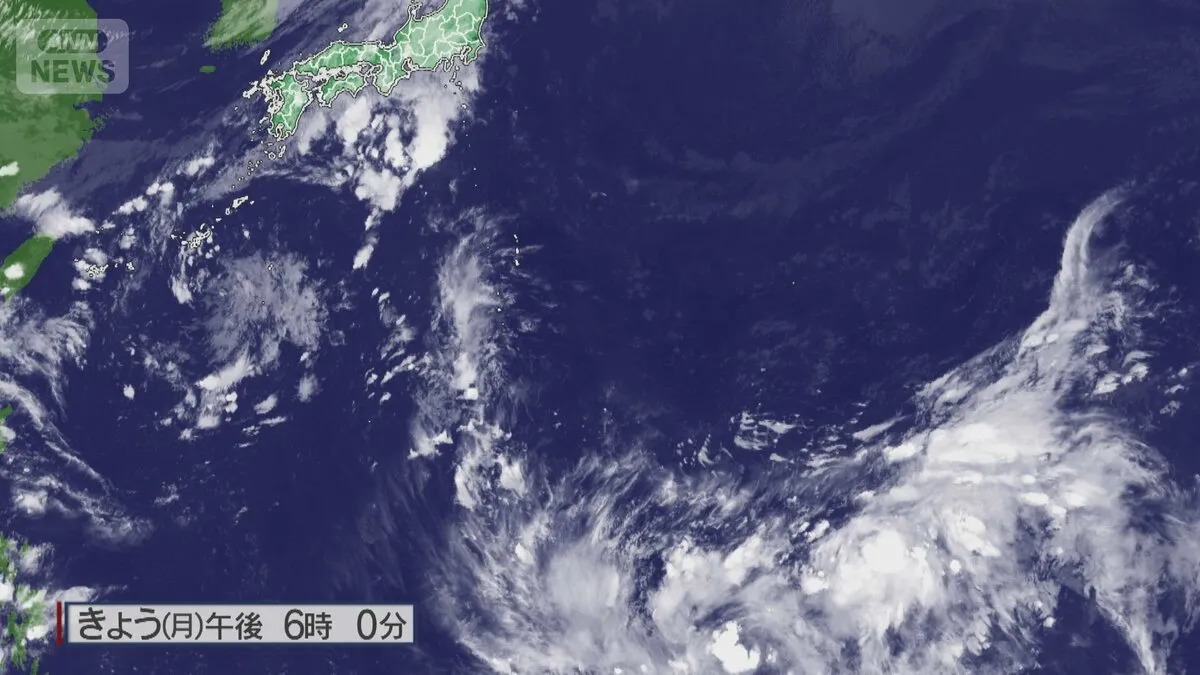
Residents in the Kanto region, including Tokyo, enjoyed a rare break from persistent rain on September 14, as blue skies and strong sunshine returned to the area. The improvement was short-lived, however. Weather officials forecast widespread rain across Japan from September 15, while a tropical depression far south of the Japanese archipelago is expected to develop into Typhoon No. 25.
The system’s future track remains uncertain, but forecasters warn that it could move closer to Japan during the upcoming Silver Week holiday period. Silver Week is a series of public holidays in September that, in some years, creates an extended break of up to five days. The period is one of Japan’s busiest travel seasons, with many people visiting family, taking domestic trips or exploring popular tourist destinations.
Tokyo sees sunshine after an unusually wet start to September
In Tokyo, the return of sunlight was especially noticeable after weeks of unsettled weather. The capital recorded more than eight hours of sunshine for the first time in 19 days. Weather officials also said that early September had brought the lowest amount of sunshine for the period since records began.
The change was welcomed by visitors to the Tokyo Curry Expo, an event featuring more than 40 curry restaurants rotating throughout its run. Yet the sudden rise in temperatures created challenges for both customers and businesses. One visitor in her 60s said the long period of rain had made the heat feel particularly intense, while a younger visitor said the sharp change in weather made deciding what to wear difficult.
Organizers and food vendors were also taking extra precautions. Miura Taiki, manager of NO NAME with WACCA, said staff were quickly returning food to refrigeration because of concerns over food safety during the temperature increase. At the same time, the heat made it harder to attract customers to queues. For event vendors, visible lines often encourage more people to join, but visitors were less willing to wait in the hot conditions.
Heavy rain causes flooding and landslide concerns
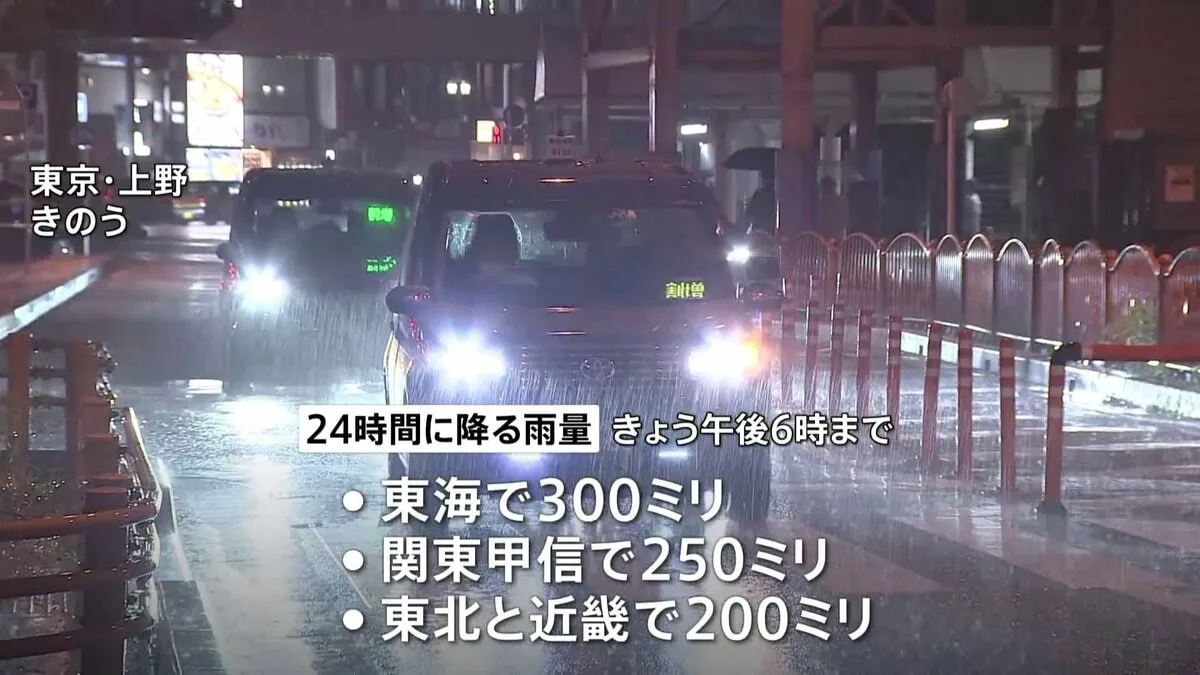
While Kanto enjoyed a temporary spell of fine weather, an active autumn rain front brought intense rainfall to other parts of Japan. In Akita, rainfall in the city’s Nibetsu area exceeded 100 millimeters from September 13 onward. The region also recorded its highest hourly rainfall for September since observations began, prompting authorities to issue a Level 4 landslide warning. Level 4 means residents in areas at risk should evacuate or move to a safer location immediately, following local guidance.
Flooding was also reported in Mie Prefecture, where a park in Suzuka appeared almost submerged. In Hiroshima Prefecture, intense rain and thunder sharply reduced visibility, while rising water forced at least one restaurant in Kure to close temporarily. In Hyogo Prefecture, officials estimated that Tatsuno received approximately 110 millimeters of rain in one hour by 7:50 p.m., leading to a warning about record-breaking short-duration rainfall.
Travelers urged to monitor updates
The potential formation of Typhoon No. 25 adds another layer of uncertainty for travelers. Forecast tracks can change significantly during the early stages of a tropical system, so residents and visitors should rely on updates from the Japan Meteorological Agency, local governments and transport operators.
Even if the storm does not make landfall, strong winds, heavy rain, flight cancellations and disruptions to rail services could affect holiday plans. People in areas with saturated ground should remain alert for landslides, flooding and rising rivers. Japan’s detailed warning system and extensive public transport network provide valuable support during severe weather, but preparation and early decisions remain essential as the forecast develops.