New legal challenge filed in China
Families of Chinese people who were allegedly forcibly brought to Japan for labor during the Sino-Japanese War have filed a compensation lawsuit against six Japanese companies, according to the plaintiffs’ legal representatives.
Fifty plaintiffs submitted the complaint on the 16th to the Hebei Provincial Higher People’s Court in Shijiazhuang, China. They are seeking approximately 370,000 yuan per person, equivalent to about 8.56 million yen, in damages. The claim also reportedly asks the companies to publish an apology in at least 10 Chinese media outlets.
The companies named in the case include Taisei Corporation and Nittetsu Mining Company. The full list of six companies was not provided in the initial report. The plaintiffs’ representatives announced the filing, which concerns wartime labor mobilization involving Chinese civilians during the conflict between Japan and China.
Whether the court accepts the case remains uncertain
Submitting a complaint in China does not automatically mean that a court will formally accept the case. Chinese courts may decline to register or proceed with lawsuits after reviewing their legal and political implications. The report said that the final decision on whether the case will be accepted is expected to be closely linked to the leadership of President Xi Jinping.
This uncertainty is particularly important because wartime historical disputes between China and Japan are highly sensitive. Questions involving compensation, corporate responsibility and historical recognition have repeatedly influenced bilateral relations, alongside more recent disagreements over security, trade and Taiwan.
Historical and legal background
During the wartime period, numerous Chinese civilians were transported to Japan and required to work at mines, construction sites and other industrial facilities. Survivors and relatives have pursued compensation and apologies for decades, both in Japan and China. Japanese companies have generally argued that postwar legal settlements and treaties resolved individual claims, while plaintiffs have maintained that personal rights and corporate accountability remain unresolved.
Japanese courts have considered similar cases in the past, often focusing on the interpretation of postwar agreements, the statute of limitations and whether companies can be held liable under modern legal proceedings. The issue has also been shaped by the 1972 normalization of diplomatic relations between Japan and China and the broader postwar settlement framework. These legal questions remain contested, and the filing of a new case in China does not establish liability against the companies.
Potential impact on Japan-China relations
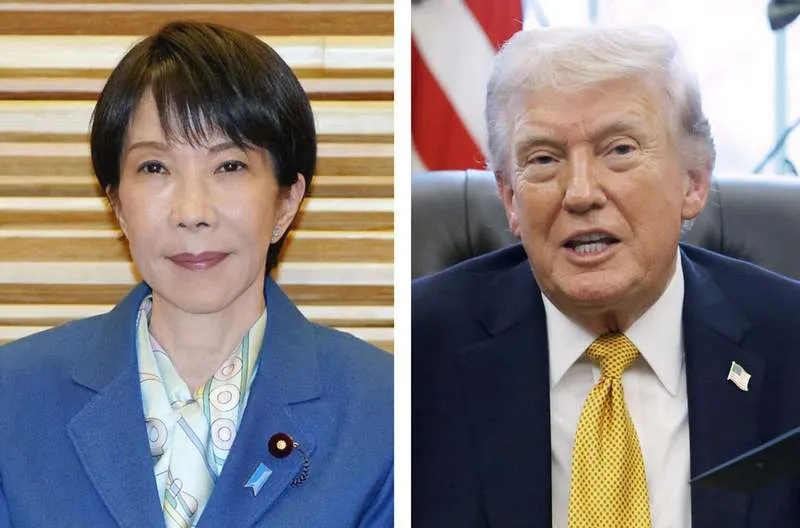
The lawsuit comes at a time when political tensions between Tokyo and Beijing have increased. The report links a rise in Chinese criticism of Japan to parliamentary remarks by Sanae Takaichi concerning a possible Taiwan contingency in November last year. Beijing has strongly opposed statements it views as interference in matters involving Taiwan, while Japan has emphasized the importance of peace and stability in the Taiwan Strait and the security of the wider East Asian region.
Against this backdrop, historical disputes may become an additional source of pressure on Japan. Chinese authorities and state-linked organizations have previously used wartime history as part of diplomatic messaging, particularly during periods of political disagreement. The latest lawsuit could therefore carry significance beyond the compensation claim itself, although its immediate legal outcome remains unclear.
For Japan, the case highlights the continuing importance of carefully addressing historical issues while protecting the integrity of legal procedures and maintaining channels for dialogue with China. For the plaintiffs, it represents another effort to seek recognition and compensation for alleged wartime suffering. The next major development will be whether the Hebei court formally accepts the complaint.