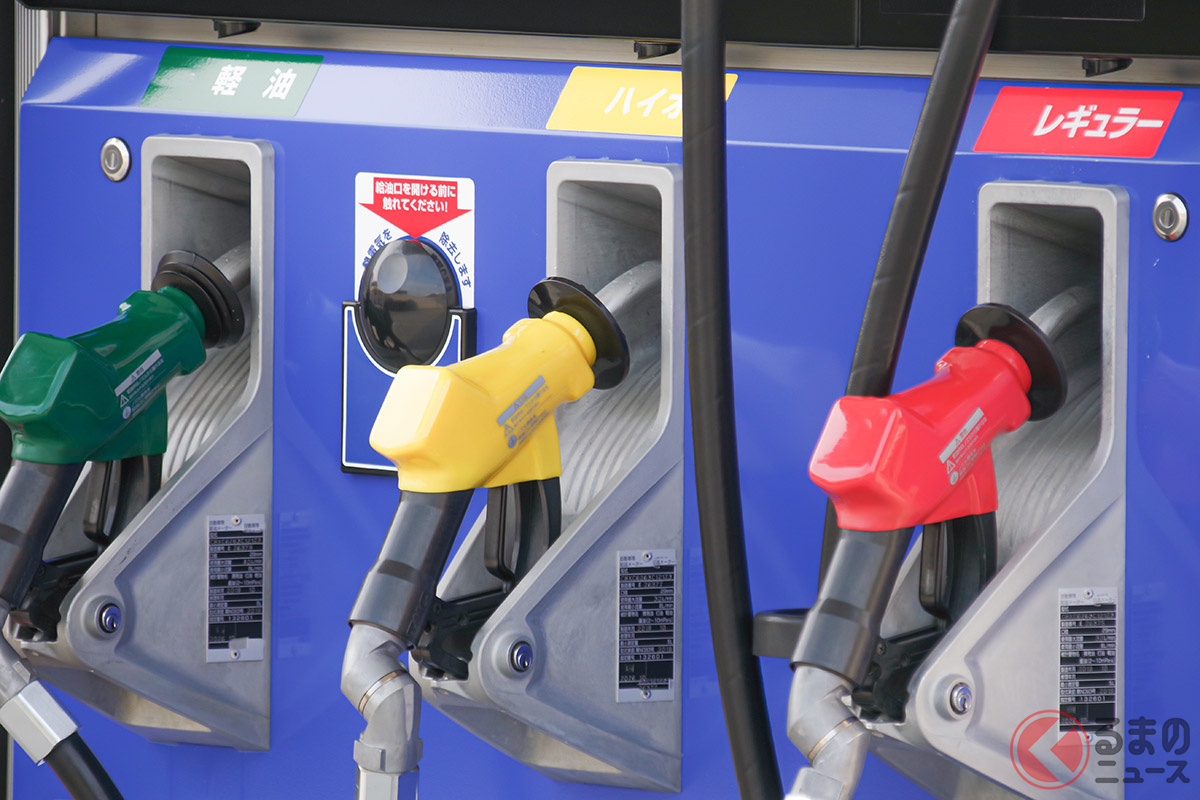
Gas stations across Japan are increasingly refusing to fill portable fuel canisters, creating challenges for everyone from farmers to disaster preparedness enthusiasts. This growing trend stems from significant safety concerns but is generating substantial inconvenience for legitimate users.
The Kyoto Animation Tragedy: A Turning Point
The current restrictions trace back to the devastating 2019 arson attack on Kyoto Animation that killed 36 people and injured dozens more. The perpetrator used gasoline purchased in portable containers to carry out the attack, shocking the nation and prompting a comprehensive reevaluation of fuel sales regulations.
In response to the tragedy, the Japanese government implemented stringent new requirements for fuel purchases, including identity verification and documentation of intended use. While aimed at preventing similar incidents, these measures have placed considerable burdens on gas station operators.
The Operational Impact on Gas Stations
For gas station staff, the new regulations mean additional paperwork, verification procedures, and record-keeping requirements. In an industry already struggling with labor shortages, these extra steps have proven particularly challenging.
Many station owners, especially in urban areas, have concluded that the compliance burden and potential liability outweigh the benefits of continuing to serve portable container customers. The result has been a wave of business decisions to eliminate this service entirely.
Divergent Public Reactions
Public opinion on the restrictions remains divided. Online discussions show majority support for the safety measures, with many commenters stating that preventing another tragedy justifies the inconvenience. 'These measures are necessary to avoid repeating such a horrible event,' wrote one social media user, capturing the prevailing sentiment.
However, in rural areas where portable fuel containers are essential for agricultural and fishing equipment, the restrictions have created significant practical problems. 'Are we supposed to transport our cultivators to the gas station every time they need fuel?' asked one frustrated farmer, highlighting the impracticality for those in primary industries.
The Human Element: Staff Perspectives
Gas station employees have expressed mixed feelings about the policies. While understanding the safety concerns, many note the difficulties in implementation. 'The verification process is complicated, and we sometimes face confrontations with customers who don't understand why we need so much information,' one staff member confided. 'The risk of conflict makes it hardly worth the effort.'
Seeking Balanced Solutions
As Japan navigates this challenge, stakeholders are exploring potential compromises that maintain safety without unduly burdening legitimate users. Some suggest creating certified user programs for farmers and fishermen, while others propose designated stations with enhanced security measures specifically for container filling.
Disaster preparedness experts have raised concerns about the impact on emergency planning, noting that many households keep fuel containers for generators during natural disasters. Finding ways to accommodate these legitimate needs while preventing misuse remains a complex policy challenge.
The situation illustrates the difficult balance between public safety and practical necessity. As one industry representative noted, 'Gas stations are more than just commercial establishments they're part of community infrastructure. We need solutions that acknowledge this dual role.'
With the new regulations now firmly established, the conversation has shifted toward refining implementation and developing more nuanced approaches that protect public safety while recognizing the diverse needs of fuel consumers across different regions and industries.