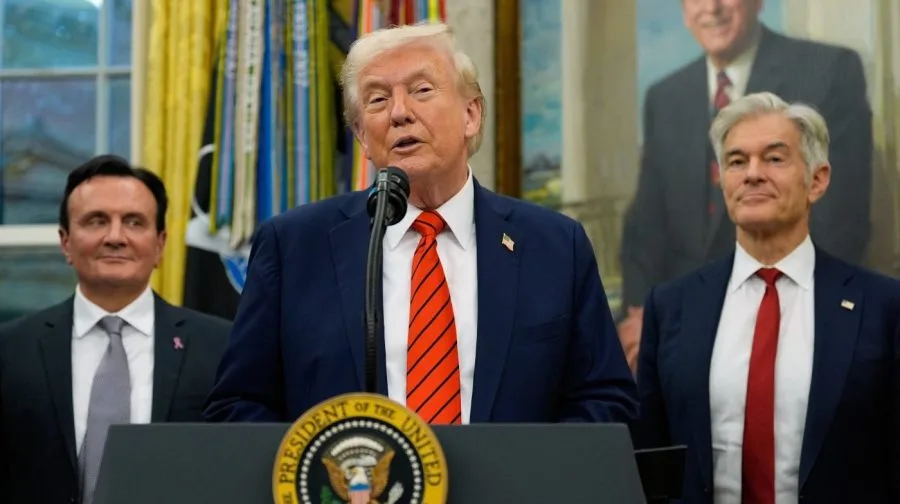
The Trump administration has initiated the dismissal of more than 4,100 federal employees amid a partial government shutdown caused by budget expiration, creating widespread uncertainty and financial distress among government workers across multiple departments.
The Scale of the Layoffs
The massive workforce reduction spans nearly every major government department, with the Treasury Department facing the largest cuts at approximately 1,450 employees. The Department of Health and Human Services follows with between 1,100 and 1,200 positions eliminated, while Education faces about 470 job losses. The Department of Housing and Urban Development will dismiss approximately 440 workers, Commerce around 320, Energy about 190, and Homeland Security nearly 180 employees.
These figures represent just the beginning of potential workforce reductions. The Patent and Trademark Office, operating under the Commerce Department, has already notified 126 employees of their termination. Meanwhile, the Environmental Protection Agency has warned an additional 20-30 staff members about possible future layoffs, suggesting the situation may worsen before improving.
Legal Challenges and Worker Rights
The layoffs haven't proceeded without resistance. Labor unions have filed suit in federal court in California seeking to temporarily block the dismissals, arguing that the administration lacks proper authority for such widespread terminations during a budget-related shutdown. The legal battle highlights the complex intersection of budgetary politics, employment law, and executive authority.
Government workers find themselves caught between political maneuvering and personal financial crisis. Many face not just job loss but potential damage to careers built over decades of public service. The uncertainty extends beyond the dismissed employees to those who remain, creating morale issues and operational challenges across federal agencies.
Impact on Government Services
The mass layoffs threaten to disrupt essential government services at multiple levels. From tax collection and economic monitoring at Treasury to public health initiatives and medical research oversight at Health and Human Services, the reduction in workforce comes with real consequences for American citizens who depend on these services.
Education Department cuts may affect student loan processing, school funding distribution, and educational program oversight. Housing and Urban Development reductions could delay affordable housing initiatives and community development projects. The Homeland Security dismissals raise questions about border security and emergency response capabilities at a time when both remain priority concerns.
Historical Context and Political Implications
Government shutdowns and associated workforce reductions have occurred throughout American history, but the scale and speed of these layouts represent a significant escalation in the use of budgetary pressure to achieve political objectives. The situation echoes previous government standoffs but with potentially more severe consequences for the federal workforce.
The timing creates particular hardship for affected employees, many of whom have financial obligations including mortgages, student loans, and family support. Unlike temporary furloughs common during previous shutdowns, these terminations provide no certainty about reemployment once budgetary issues are resolved.
Broader Economic Consequences
Beyond the immediate impact on government operations and affected workers, the layoffs may have ripple effects throughout the economy. Federal employees represent a significant consumer base in many communities, particularly in the Washington D.C. metropolitan area but also in regional offices nationwide.
The loss of steady income for thousands of workers could affect local businesses, housing markets, and consumer confidence. The situation also raises questions about the government's role as a model employer and the stability of public service careers in an era of increased political polarization.
As the legal and political battles continue, the human cost of the shutdown grows daily. The resolution remains uncertain, but the consequences for both the dismissed workers and the services they provided will likely linger long after budgetary agreements are reached.