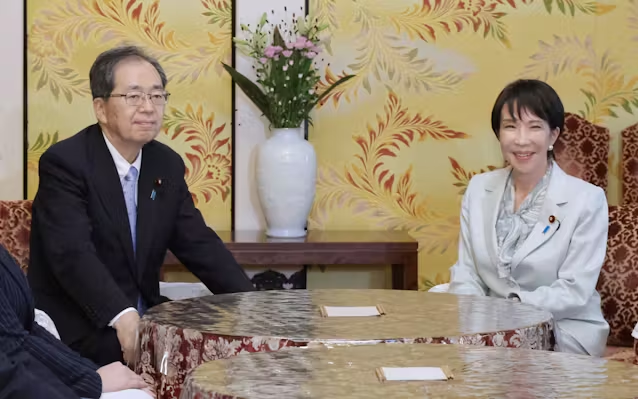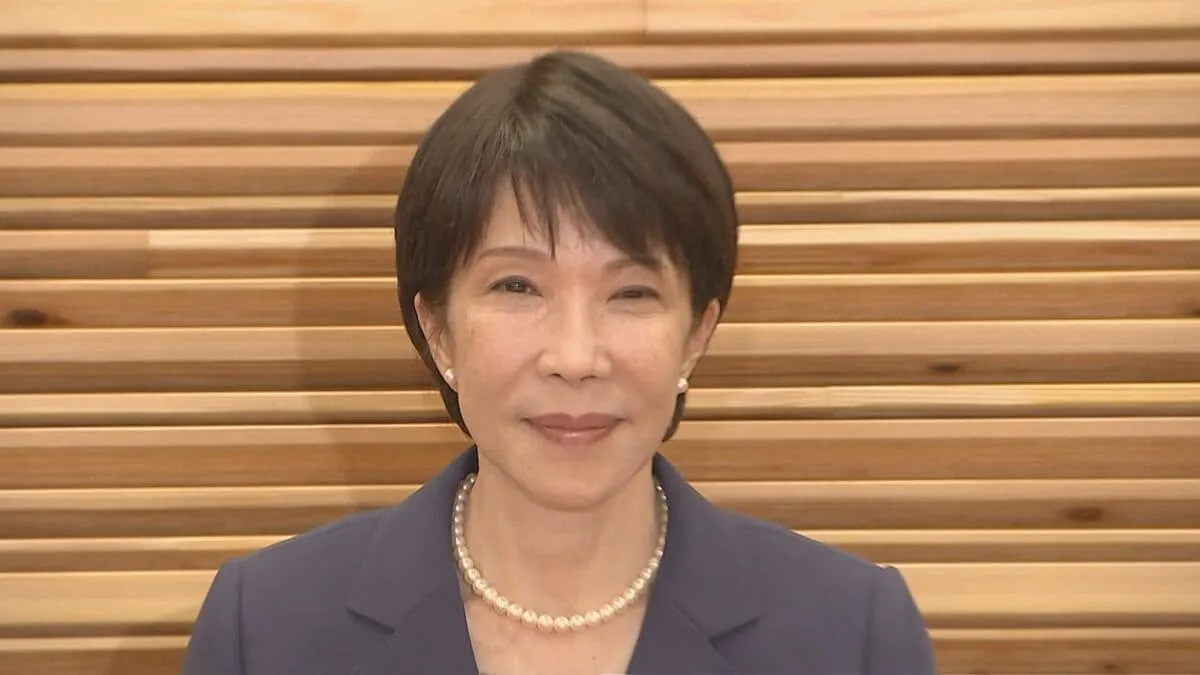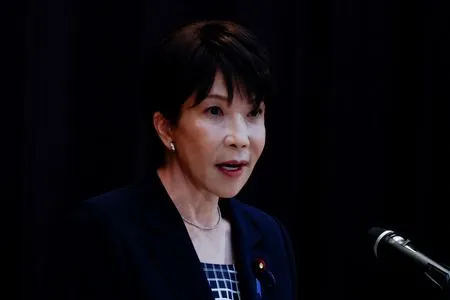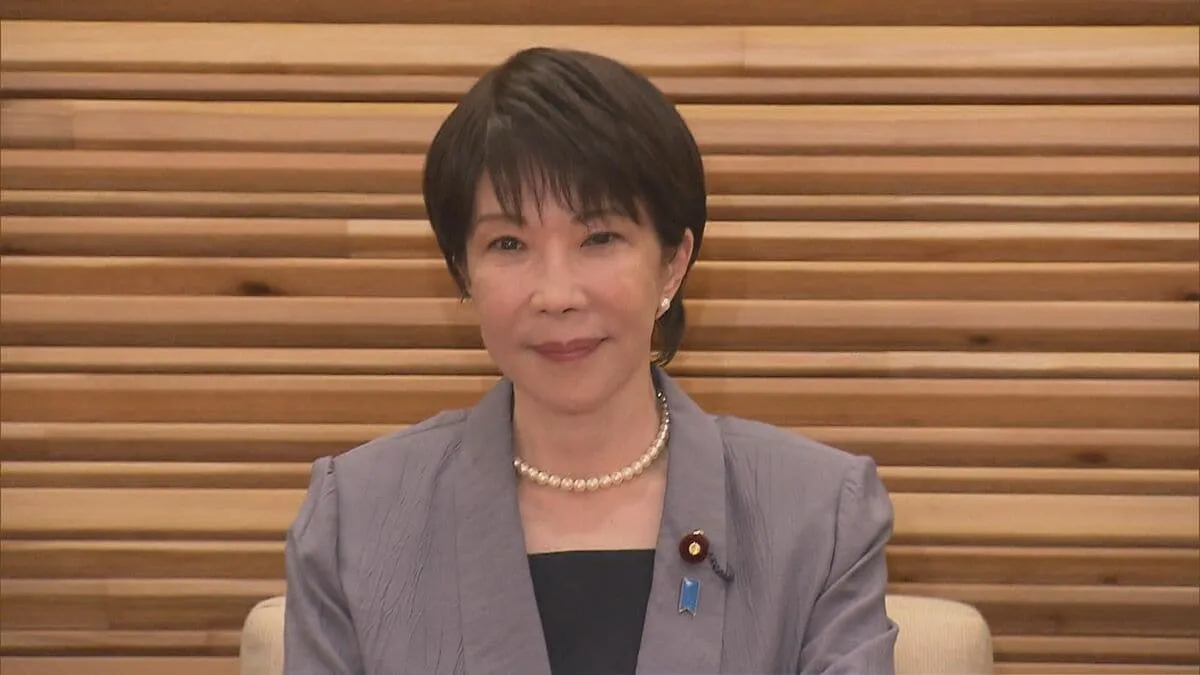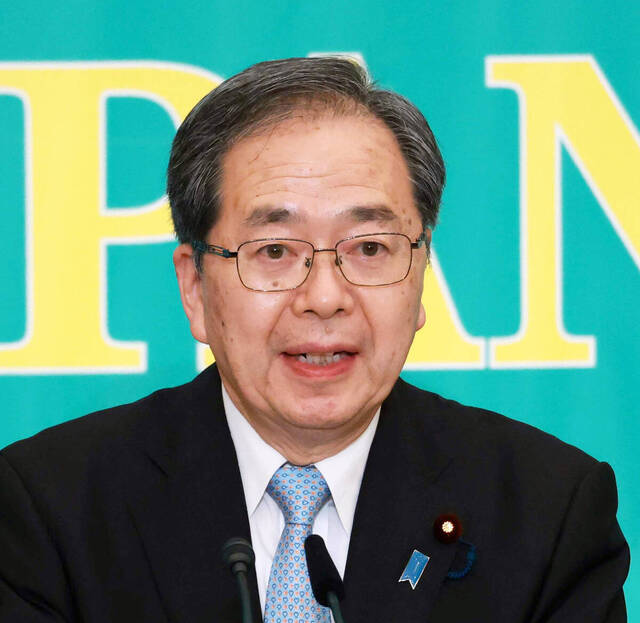
In a revealing television moment that captivated Japanese political observers, a TBS reporter posed a strikingly direct question to Komeito leader Saito Tetsuo about his personal feelings toward newly elected LDP leader Takae Sanae, uncovering decades of political history and personal connections in the process.
The Unusually Direct Question
During an appearance on TBS's Sunday Japan program, reporter Sasaki Maoto abandoned diplomatic language and asked Komeito leader Saito Tetsuo point-blank: "Frankly, do you like or dislike Takae?" The question cut through the usual political niceties that characterize such interviews, putting the party leader in the rare position of addressing personal feelings toward a political counterpart.
The moment highlighted the changing nature of political journalism in Japan, where younger reporters increasingly challenge traditional interview conventions. The direct approach created an authentic moment that revealed more about the relationship between two key political figures than hours of conventional questioning might have accomplished.
Revealing a Shared Political History
Leader Saito's response uncovered a little-known connection between the two politicians they had both been members of the now-defunct New Frontier Party (Shinshinto) over three decades earlier. This shared political history provided context for their current relationship and suggested personal familiarity beyond their official roles.
Saito acknowledged that they maintain each other's mobile phone numbers and speak periodically, indicating a working relationship that transcends their parties' formal cooperation. His description of Takae as "a person of conviction" and someone he "greatly respects" suggested genuine professional admiration despite their political differences.
The Coalition Dynamics
The exchange came at a critical moment in Japanese politics, following Takae's election as LDP leader and questions about whether Komeito would continue its coalition partnership with the ruling party. The personal dynamics between party leaders often influence such political arrangements, making the revelation of their relationship particularly significant.
Saito carefully balanced personal respect with political reality, acknowledging that they hold different beliefs and represent different political philosophies. His description of their relationship as one where they can "frankly discuss these differences" suggested a functional working relationship that could support continued coalition government.
Generational Perspectives in Political Journalism
The interview highlighted a generational shift in political reporting. The 27-year-old reporter's follow-up comment "You've been close since before I was born" emphasized the longevity of the political relationship she was questioning. Saito's humorous response about the New Frontier Party dissolving around the time of her birth created a human moment rarely seen in political interviews.
The exchange demonstrated how younger journalists are reshaping political discourse in Japan, bringing fresh perspectives and more direct questioning styles to established political institutions. This evolution in political journalism may signal broader changes in how politicians interact with media and how the public engages with political coverage.
Historical Context and Modern Implications
The reference to the New Frontier Party, which existed from 1994 to 1997, connected current political dynamics to Japan's political restructuring during the 1990s. This historical context helps explain the personal networks and relationships that continue to influence Japanese politics decades later.
The ability of politicians from different parties to maintain respectful working relationships despite ideological differences offers hope for functional coalition government. In an era of increasing political polarization globally, the Japanese model of maintaining personal connections across party lines presents an interesting alternative approach to political cooperation.
As Japan faces significant policy challenges including economic revitalization, demographic changes, and regional security concerns, the working relationship between these political leaders may prove crucial to effective governance. The candid television moment provided rare insight into the personal dynamics that underlie formal political arrangements.