Kyushu’s semiconductor comeback
For decades, Japan’s Kyushu region was known as the country’s “Silicon Island,” a reference to its concentration of semiconductor factories and skilled manufacturing talent. After a prolonged downturn in the 1990s and 2000s, however, that reputation appeared to be fading. Major electronics companies reduced or closed facilities, while Japan’s semiconductor industry lost ground to competitors in the United States, Taiwan and South Korea.
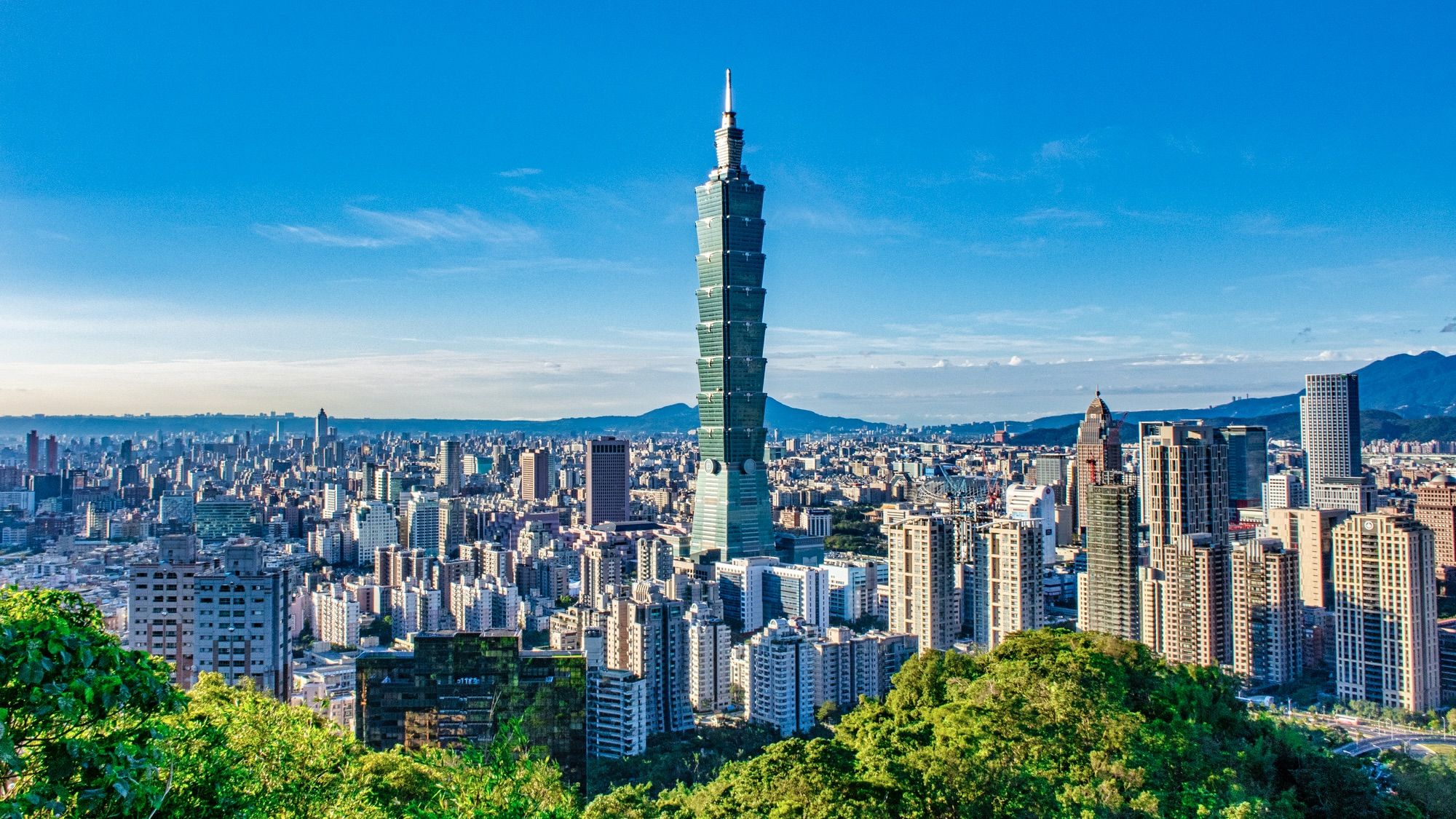
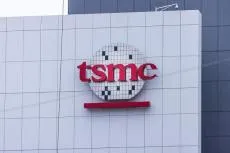
Today, Kyushu is experiencing a remarkable revival. Taiwan Semiconductor Manufacturing Co. (TSMC), the world’s largest contract chipmaker, has established a major presence in Kumamoto Prefecture through Japan Advanced Semiconductor Manufacturing (JASM), a joint venture backed by TSMC, Sony and Denso. The investment has helped attract suppliers, strengthen local education and renew attention on Japan’s broader manufacturing capabilities.
Why TSMC selected Kumamoto
Several practical advantages made Kyushu an attractive location. The region offers relatively abundant land, access to the large volumes of high-quality water required for semiconductor production and comparatively competitive electricity costs. Kyushu is also geographically close to Taiwan, making logistics and business coordination more efficient.
Another important factor is the region’s workforce. Semiconductor manufacturing requires strict quality control, reliable delivery schedules and highly disciplined production processes. Kyushu has a long industrial history and a labor force familiar with precision manufacturing, making it a natural location for advanced facilities.
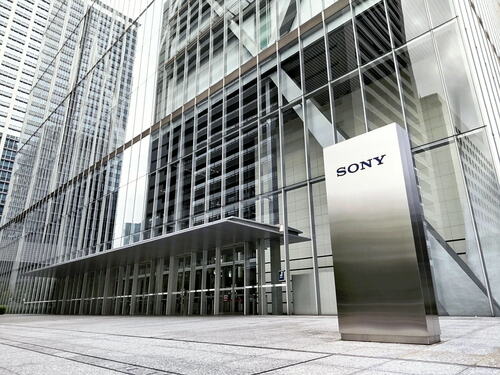
Sony’s presence was equally significant. The Japanese company operates a major image-sensor manufacturing facility in Kikuyo, Kumamoto. Sony is a global leader in complementary metal-oxide-semiconductor, or CMOS, image sensors used in smartphones, digital cameras and other devices. Its sensors hold an estimated global share of around half by value, making Sony one of the most important customers for related semiconductor components.
Image sensors are paired with logic processors that handle image processing. Sony manufactures many of the sensors itself, but it has historically sourced a large portion of these processors from TSMC. Producing compatible chips nearby can reduce transportation challenges, improve supply stability and lower exposure to geopolitical risks.
The moment Japan’s TSMC plans became clearer
In May 2021, then-Sony Group Chairman and Chief Executive Officer Kenichiro Yoshida was asked about reports that Sony and TSMC were considering a joint semiconductor plant in Kumamoto. Although he initially declined to comment on the specific report, he said stable semiconductor procurement was extremely important for Sony and for Japan’s international competitiveness.
That unusually positive response was widely interpreted as a sign that discussions were advanced. Several months later, TSMC formally announced plans for a Kumamoto facility with Sony and Denso. The first JASM factory was built close to Sony’s image-sensor plant—so close, according to people familiar with the project, that the two facilities can be seen from one another.
From industrial decline to strategic renewal
Kyushu’s semiconductor industry began expanding in the late 1960s and reached its peak during the 1980s, when Japanese chipmakers were globally competitive. The region earned its Silicon Island nickname during this period. But trade tensions, structural changes in the industry, the collapse of the information-technology bubble and the global financial crisis weakened the sector.
Companies including NEC, Fujitsu, Toshiba and Panasonic reduced their Kyushu operations or withdrew from parts of the region. Sony also faced serious difficulties, including the costly development of the Cell processor associated with the PlayStation 3. Yet the company later redirected its resources toward image sensors, investing heavily in factories in Kumamoto and Nagasaki as demand for smartphone cameras and multi-camera devices increased.
This shift illustrates a central lesson of Kyushu’s recovery: survival required transformation. The region did not simply preserve its former business model. Companies changed product categories, reorganized operations, attracted foreign capital and focused on areas with stronger long-term demand.
A growing semiconductor cluster
Kyushu is now home to a diverse network of companies covering chip design, manufacturing, packaging, equipment and materials. Renesas Electronics operates facilities connected to automotive and industrial microcontrollers. Mitsubishi Electric and Rohm have invested in power semiconductors in several prefectures, including Fukuoka, Miyazaki and Kumamoto. Amkor Technology Japan operates multiple facilities in the back-end manufacturing sector.
The region also benefits from major suppliers such as Tokyo Electron, Advantest, SUMCO and Tokyo Ohka Kogyo. Their businesses range from manufacturing equipment and testing systems to silicon wafers and photoresist materials. This diversity is important because a semiconductor ecosystem depends on far more than chip factories alone.
TSMC’s arrival has accelerated a classic industrial-cluster effect. As chipmakers expand, equipment and materials suppliers establish or enlarge local facilities. Their presence makes it easier for additional manufacturers to operate in the region, which in turn attracts more suppliers. Universities such as Kumamoto University and technical colleges are also strengthening semiconductor education and workforce development.
Investment beyond the famous technology brands
The renewed momentum has extended to companies not traditionally associated with semiconductors. Fujifilm Holdings is expanding its semiconductor-materials business through facilities in Oita and Kumamoto. TOTO is planning increased production investment for ceramic electrostatic chucks, essential components used in semiconductor manufacturing equipment. Ajinomoto is also developing advanced materials for the chip industry.
These examples reveal a less visible side of Japan’s industrial strength. Companies widely known for instant cameras, toilets, seasonings or consumer products may also possess highly competitive business-to-business technologies. Japan’s manufacturing revival is increasingly supported by materials, equipment, components and industrial services rather than only by familiar consumer brands.
What Kyushu means for Japan
Kyushu is not yet comparable in scale with Taiwan’s Hsinchu Science Park, but its breadth is a notable advantage. Its semiconductor network reflects Japan’s wider manufacturing base, which combines specialized suppliers, advanced materials, precision equipment and experienced production teams.
The region’s comeback also carries a broader message. Japan’s industrial competitiveness will depend not on returning to the past, but on continuing to adapt. Sony’s move into image sensors, the consolidation of companies such as Renesas, the expansion of power semiconductors and the acceptance of overseas investment all demonstrate how restructuring can create new growth.
For foreign businesses, workers and investors watching Japan, Kyushu offers a valuable case study. TSMC’s investment is important, but the deeper story is the network around it—a growing ecosystem in which local capability, international capital and long-established Japanese expertise reinforce one another.