China announces sweeping punishment for former senior commanders
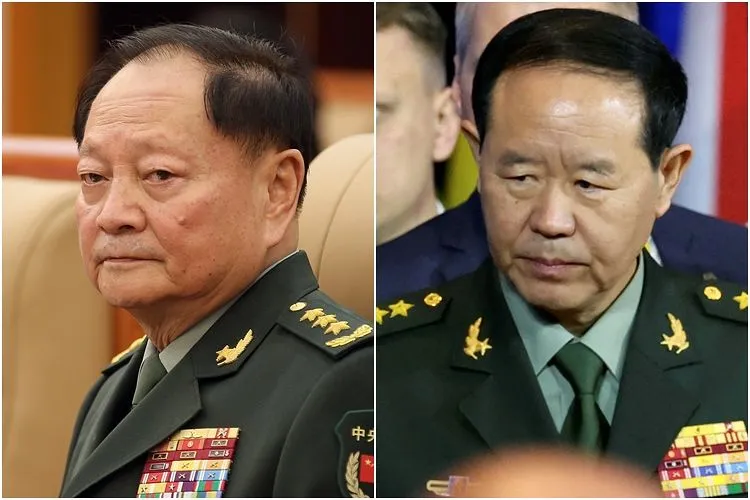
China’s ruling Communist Party has stripped former Central Military Commission Vice Chairman Zhang Youxia and former Joint Staff Department chief Liu Zhenli of their party and military memberships, marking one of the most significant purges of senior military officials under President Xi Jinping.
According to China’s state-run Xinhua News Agency, the Communist Party’s Politburo reviewed and approved a report by the Central Military Commission’s discipline inspection and supervisory bodies on the two former commanders. The decision follows their removal from power in January and formally advances the cases toward military prosecution.
Chinese authorities accused Zhang and Liu of violating political discipline, forming factions, abusing their official powers and accepting large amounts of money and gifts in exchange for helping others secure promotions. The investigation also alleged that the two officials failed to properly supervise and educate relatives and staff members.
Allegations combine political disloyalty and corruption
The Politburo described the alleged misconduct as involving both political and economic issues. In its statement, the body said the two men had abandoned the principles of the Communist Party, opposed the party’s authority and crossed serious “red lines.” It also alleged that corruption, illicit accumulation of wealth, dereliction of duty and abuse of power had occurred at the same time.
Chinese officials said the alleged sums involved were particularly large and characterized the cases as extremely serious, with a deeply negative impact. The two men will lose their party membership and their qualifications as delegates to the 20th Communist Party Congress, held in 2022. Their cases have been transferred to military prosecutors for review and possible indictment.
The party’s Central Committee is expected to formally ratify the expulsions at the Fifth Plenary Session of the 20th Central Committee, scheduled for October 26–29, according to the information provided by Chinese authorities. The Central Military Commission has already revoked their military memberships.
Xi’s control over the military grows more concentrated
The move is the latest in a series of high-level removals affecting China’s military leadership. Former Defense Minister Li Shangfu fell from power in 2023, followed by former Political Work Department director Miao Hua in 2024. He Weidong, formerly a vice chairman of the Central Military Commission, left office in 2025. Zhang and Liu were removed in January.
The Central Military Commission is officially composed of seven members, including its chairman and two vice chairmen. Following the latest upheaval, Xi and Vice Chairman Zhang Shengmin are reportedly the only remaining members. This has created what analysts describe as an exceptionally concentrated military leadership structure centered on Xi.
Zhang Youxia’s removal has attracted particular attention because he was considered the highest-ranking serving military officer to be purged since Xi came to power. He was also regarded as having longstanding ties to China’s military establishment, making his downfall especially notable in assessments of elite politics in Beijing.
Regional implications, including for Japan
The developments are being closely watched across the Indo-Pacific, including in Japan. China’s military leadership plays a central role in decisions involving the East China Sea, the Taiwan Strait and broader regional security. Any prolonged leadership reshuffle could affect the way military priorities are communicated and implemented, although it is too early to determine whether the changes will alter China’s operational policies.
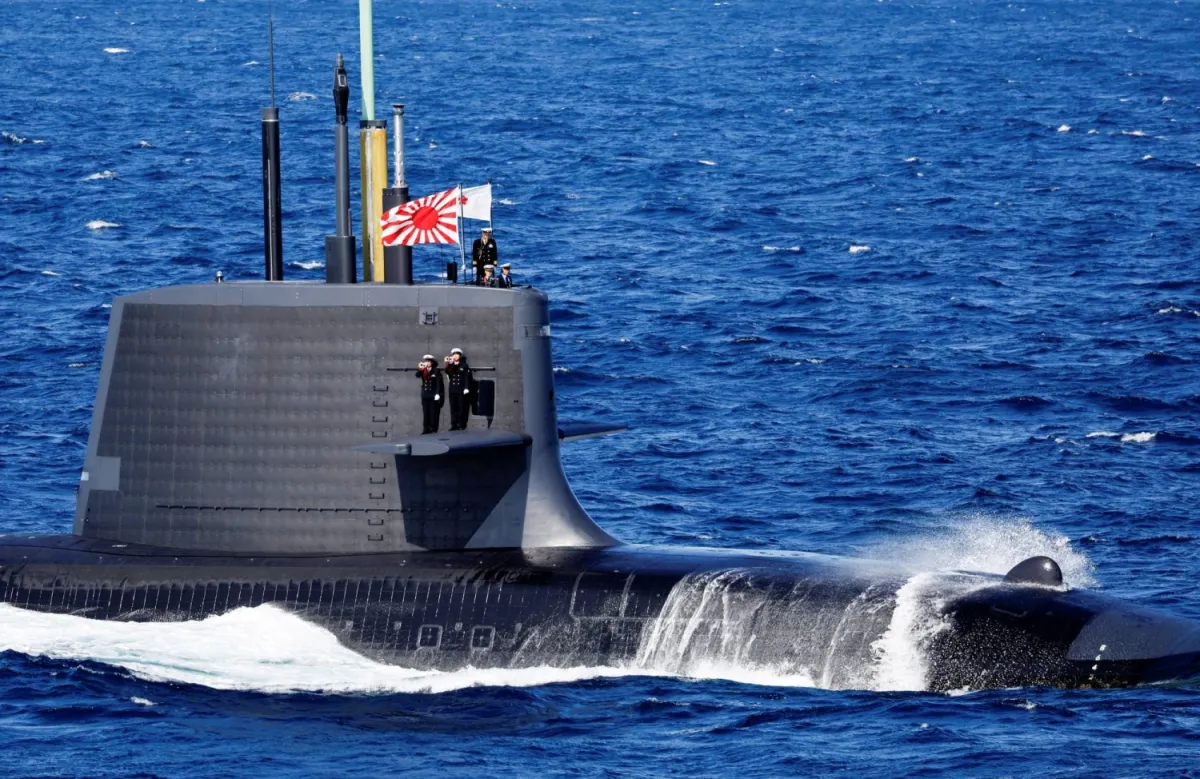
For Japan, the issue has direct relevance because of its proximity to China and the continuing importance of stability around the Senkaku Islands, Taiwan and surrounding sea lanes. Tokyo is likely to monitor whether the purge leads to changes in military deployments, diplomatic messaging or crisis-management channels. Japan’s defense planners and its partners will also be watching for signs of increased centralization, internal tension or efforts by Beijing to demonstrate unity following the crackdown.
A campaign with both disciplinary and political significance
The Chinese Communist Party presented the action as proof that its anti-corruption campaign has no protected area and will not show leniency. However, the accusations of faction-building also highlight the political dimension of the purge. By publicly linking alleged corruption with disloyalty to the party leadership, Beijing is reinforcing the principle that the armed forces must remain under the absolute control of the Communist Party and, ultimately, Xi Jinping.
The timing is also significant. The announcement came after authorities publicized the agenda for the upcoming plenary session, including a focus on strict party governance. Some observers therefore view the decision as an effort to complete the military leadership cleanup before a major political meeting. While the full evidence has not been made public, the expulsions underscore the depth of the continuing transformation inside China’s armed forces.