Pyongyang’s Fiery Response to Upcoming China–South Korea Summit
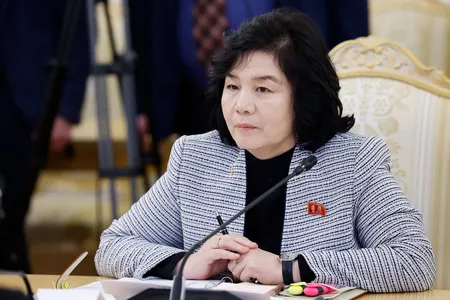
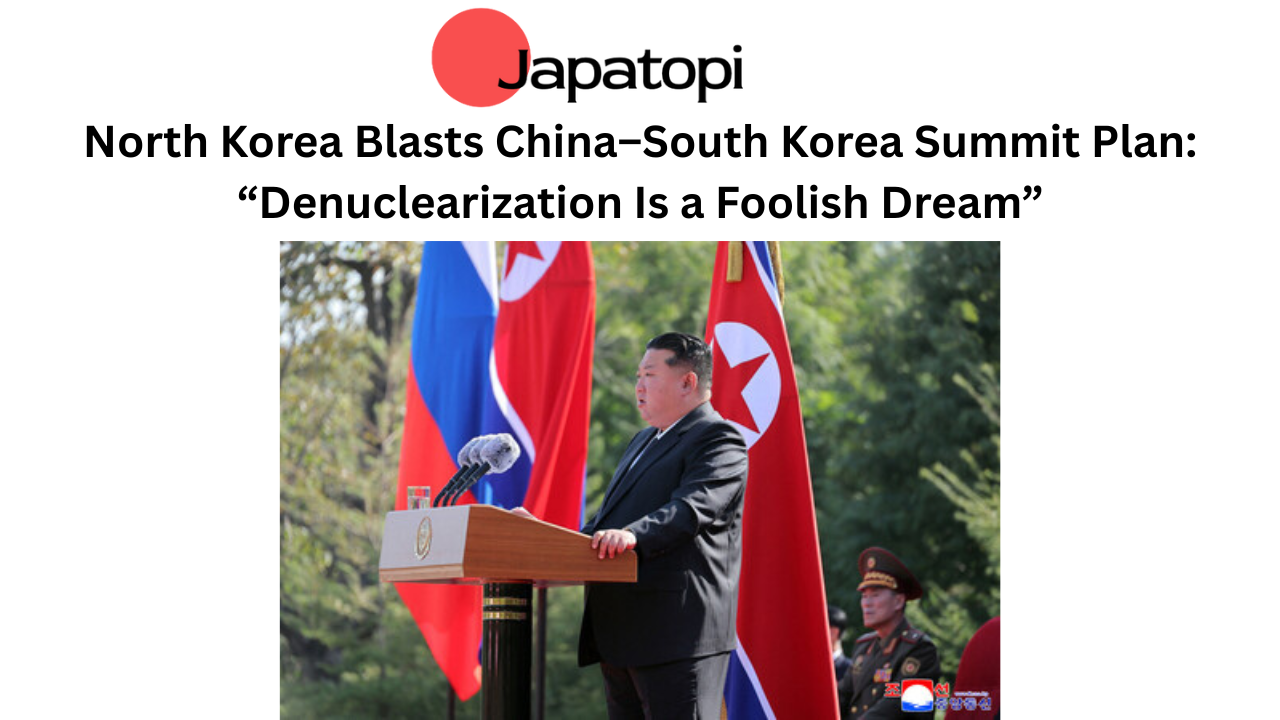
North Korea has once again ignited tensions on the Korean Peninsula with its latest fiery statement. On October 31, North Korean Vice Foreign Minister Pak Myong Ho issued a strongly worded denunciation of South Korea’s plan to discuss “denuclearization” during its upcoming summit with China. The statement, carried by the Korean Central News Agency (KCNA) on November 1, dismissed the very idea of denuclearization as “an unrealistic and foolish dream.”
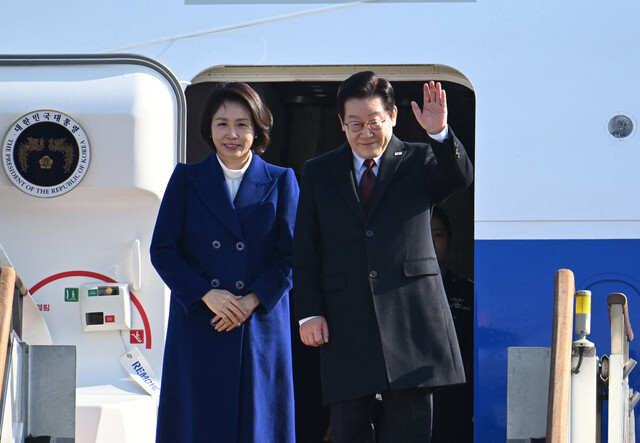
The outburst comes on the eve of a high-profile meeting between Chinese President Xi Jinping and South Korean President Lee Jae-myung, scheduled for November 1 in the historic city of Gyeongju, South Korea. For President Lee, who assumed office in June, this summit marks his first face-to-face encounter with the Chinese leader—a meeting already laden with diplomatic weight given the region’s shifting strategic dynamics.
A Warning to Seoul and Beijing
Pyongyang’s statement is widely seen as a preemptive warning to both Beijing and Seoul, aimed at deterring any joint position on North Korea’s nuclear weapons program. “The attempt to deny our status as a nuclear-armed state is absurd and dangerous,” Pak declared, blasting South Korea’s government as “recklessly delusional.”
The North’s messaging is clear: it wants to remind China—its traditional ally and economic lifeline—that any move toward cooperation with Seoul on nuclear disarmament would be seen as betrayal. Analysts note that while Beijing has supported United Nations sanctions against North Korea in the past, it has also shielded Pyongyang from the harshest international pressures, balancing its desire for regional stability with its strategic interest in countering U.S. influence in East Asia.
The Summit and Its Symbolism
President Lee’s decision to raise denuclearization as a key agenda item reflects his administration’s commitment to stability on the Korean Peninsula and to rebuilding trust with Beijing. “The realization of peace and denuclearization on the Korean Peninsula” was cited as a major discussion point by a presidential spokesperson on October 31.
However, the timing could hardly be more delicate. North Korea’s recent missile tests, continued weapons development, and deepening military cooperation with Russia have further strained regional security. At the same time, China’s growing rivalry with the United States has made Beijing more cautious about appearing to side with Seoul or Washington in any security-related dialogue.
Observers say that Xi and Lee’s meeting in Gyeongju could set the tone for a new phase in trilateral diplomacy among China, South Korea, and North Korea—though not necessarily one that Pyongyang will welcome.
Pyongyang’s Message: Nuclear Reality Over Diplomacy
North Korea’s statement underscores its long-standing position that its nuclear arsenal is non-negotiable. Since declaring itself a nuclear power in its constitution, Pyongyang has described nuclear weapons as essential for its survival and sovereignty.
“The era of unilateral disarmament is over,” Pak Myong Ho reportedly said, framing nuclear possession as a matter of self-defense against “U.S. aggression and South Korean hostility.” The use of such rhetoric is typical of North Korean diplomacy—blending ideological defiance with calculated provocation.
For Seoul, however, ignoring the nuclear issue is not an option. The South Korean government continues to face domestic pressure to strengthen its deterrence strategy, including calls from some conservative lawmakers for the deployment of U.S. tactical nuclear weapons or even the development of an indigenous nuclear program.
Strategic Ripples Across East Asia
The latest North Korean statement may further complicate Beijing’s role as a regional mediator. While China prefers a stable Korean Peninsula, it also opposes the expansion of U.S.-led military alliances like AUKUS and the QUAD. Thus, it finds itself walking a tightrope—seeking to prevent chaos on its border while maintaining influence over both Koreas.
For President Lee, the Gyeongju summit represents an opportunity to balance South Korea’s security interests with economic diplomacy, especially amid China’s economic slowdown and rising trade tensions. Yet, North Korea’s intervention signals that any discussion of peace and denuclearization will remain politically fraught and ideologically charged.
A Familiar Cycle of Defiance
In many ways, Pyongyang’s remarks fit a familiar pattern. Whenever Seoul or Beijing appears to edge closer to cooperation on security matters, North Korea responds with provocative rhetoric or military gestures. Experts anticipate that missile tests or military drills could soon follow, serving as both a domestic show of strength and a message to the international community: North Korea will not be ignored or coerced.
Still, some analysts interpret the harsh language as defensive rather than offensive—an attempt to secure Pyongyang’s bargaining position ahead of potential diplomatic overtures from China or Russia. In that sense, the “foolish dream” remark may reflect not only defiance but also anxiety about isolation.
The Path Forward
As the China–South Korea summit unfolds, the world will be watching how both leaders navigate the North Korean question. Will Xi reaffirm China’s traditional friendship with Pyongyang, or will he signal a willingness to cooperate with Seoul on regional security?
For now, North Korea’s message is unambiguous: any talk of denuclearization is a red line. Whether this declaration is a show of confidence or an act of desperation remains open to interpretation—but one thing is certain: Pyongyang is determined to keep the world guessing.