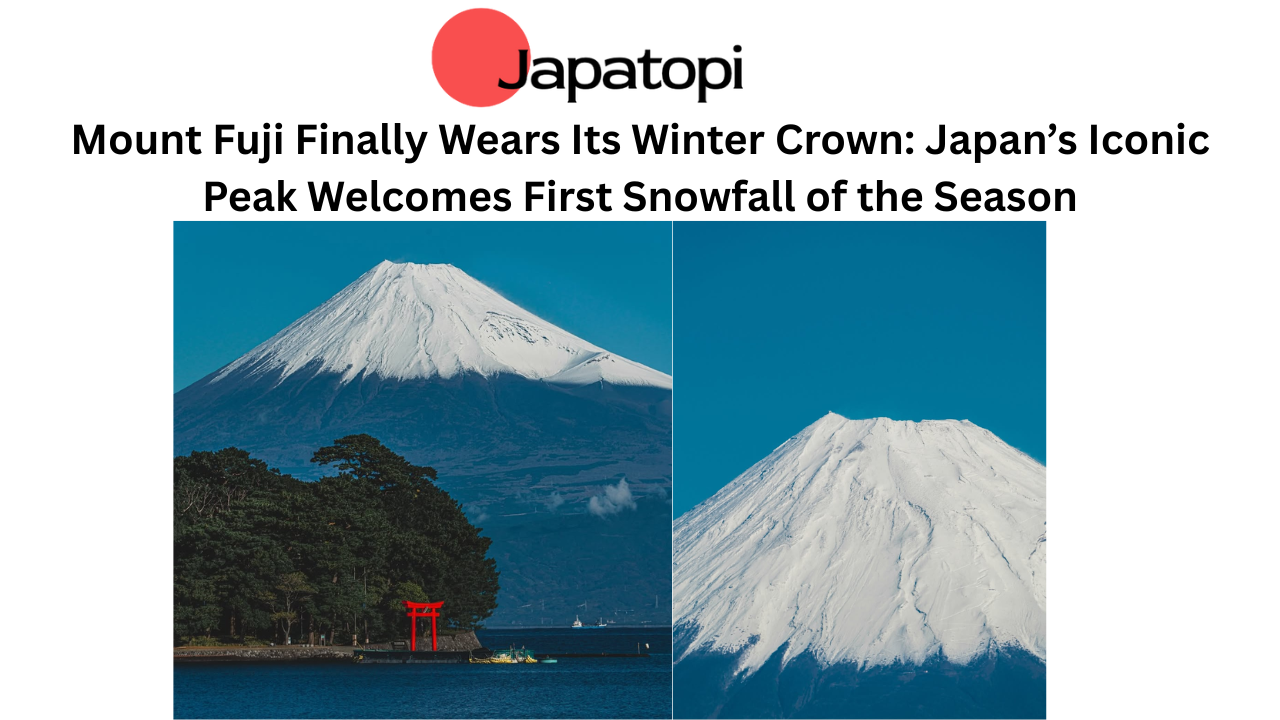
A Long-Awaited Sight Returns to Japan’s Skyline
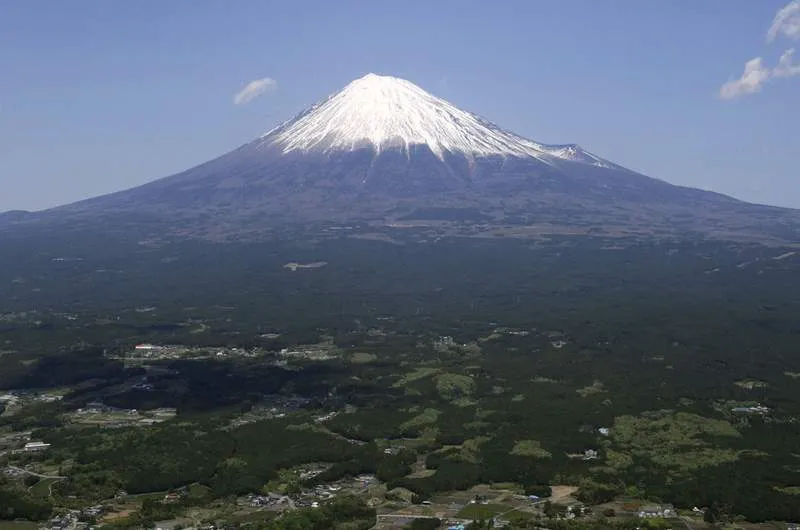
After last year’s record-late first snowfall, Japan’s most iconic symbol, Mount Fuji, has finally donned its pristine white snowcap today. For many across Japan, the first glimpse of snow atop the nation’s highest peak marks not just a seasonal change, but a deeply emotional and cultural moment—a sign that winter is near, and that nature’s rhythm continues its timeless cycle.
The Japan Meteorological Agency confirmed the first snowcap sighting early this morning, bringing joy to photographers, travelers, and local residents who had been eagerly waiting for this moment. The timing of Mount Fuji’s first snow each year is often watched closely, as it reflects broader weather trends and even hints at the upcoming winter climate across Japan.
A Symbol of Nature’s Balance and Cultural Identity
Mount Fuji, standing majestically at 3,776 meters, is more than just a mountain. For centuries, it has served as a source of spiritual inspiration, artistic expression, and natural wonder. Its snow-covered summit has been immortalized in countless artworks, poems, and travel narratives—representing purity, balance, and renewal.
In Japan, the arrival of Fuji’s first snow is considered a poetic event, signifying both the end of autumn’s fiery hues and the beginning of winter’s serene beauty. It’s a visual transition that resonates deeply with the Japanese aesthetic of wabi-sabi—finding beauty in impermanence and change.
Tourist agencies are already reporting a surge in interest for winter visits to the surrounding areas, including Hakone, Lake Kawaguchi, and Yamanashi Prefecture. Hotels and onsen resorts near the mountain are preparing for an influx of visitors hoping to capture Fuji’s snowcapped beauty reflected in calm lakes or framed by red maple leaves still clinging to late autumn branches.
Climate Trends and Last Year’s Delay
Last year’s snowfall was the latest on record, sparking conversations about Japan’s shifting climate patterns. Typically, Mount Fuji’s first snowcap appears between late September and early October, but recent years have seen delays due to warmer temperatures. The late snow of 2024 was a visible reminder of the planet’s changing climate—one that scientists and environmentalists have linked to global warming trends.
This year’s earlier arrival, while more in line with historical averages, doesn’t necessarily signal a long-term reversal. Experts caution that fluctuations from year to year are normal, but the overall warming trend across Japan remains a concern. Nonetheless, for many, today’s sighting feels like a small but meaningful return to normalcy.
A Moment for Reflection and Celebration
Across social media, users are celebrating the news with photos and heartfelt messages. Phrases like “Welcome back, Fuji-san!” and “Finally, winter begins!” have been trending throughout the day. The snowcap, faint but clearly visible, serves as a reminder of nature’s enduring beauty even amid modern challenges.
Cultural observers note that Mount Fuji’s seasonal transformation carries deep symbolism—especially in an age of uncertainty. It reminds people of continuity, stability, and the comforting rhythm of the natural world. For some, it’s also a moment of spiritual reflection: a chance to pause, breathe, and appreciate the connection between people and the landscape that defines their national identity.
Looking Ahead: The Winter Tourism Boost
Local governments and tourism associations around Yamanashi and Shizuoka Prefectures are optimistic that the news will boost regional travel. With Japan’s post-pandemic tourism recovery continuing, a snow-capped Fuji is a powerful draw for both domestic and international visitors.
The famous “Diamond Fuji” phenomenon—when the setting or rising sun aligns perfectly with the mountain’s peak—will be especially popular in the coming months. Combined with illuminated winter festivals, onsen getaways, and seasonal cuisines, this marks the beginning of one of Japan’s most picturesque travel seasons.
As the nation gazes once again upon its snow-crowned peak, Mount Fuji stands not only as a geological marvel but as a timeless emblem of Japan’s heart—resilient, graceful, and ever-changing with the seasons.