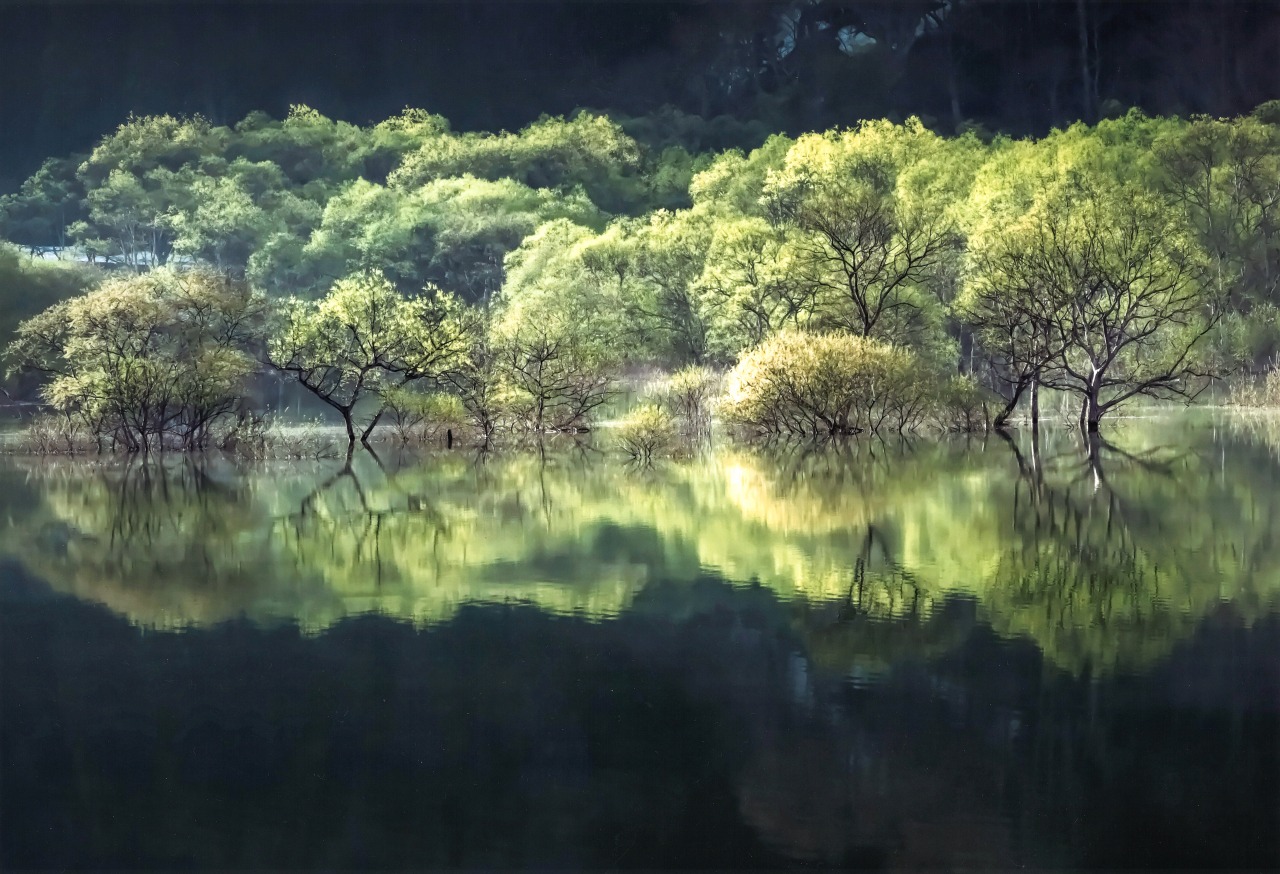
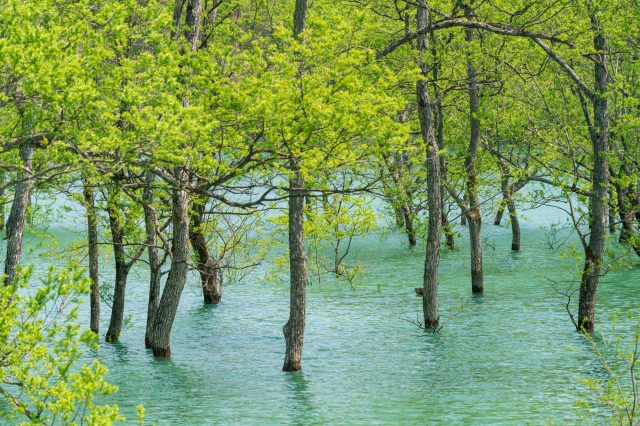
For a few fleeting weeks each spring, a quiet corner of Japan’s Tohoku region transforms into a scene that looks lifted from a watercolor. At Shirakawa Lake in Yamagata Prefecture’s Iide Town, snowmelt swells the reservoir, and stands of white willow appear to rise straight out of jade-green water. Locals call it the “submerged forest,” and the spectacle—visible primarily from Shirakawa Dam Lakeside Park—has become one of northern Japan’s most ethereal seasonal sights.
A forest that floats, for a moment in time
The phenomenon unfolds as winter loosens its grip on the Iide Mountains. In early spring, meltwater rushes into Shirakawa Lake, pushing water levels to their peak. During this brief window, the roots and lower trunks of Shiroyanagi (white willow) groves are inundated, creating the uncanny impression that trees are sprouting from the lake’s surface. Sunlight refracts off tender new leaves and still water, and mist often lingers at dawn. The result is an atmosphere that oscillates between otherworldly and reverent—a landscape that seems to hold its breath.
Two seasons in one: “White” and “Green” submerged forests
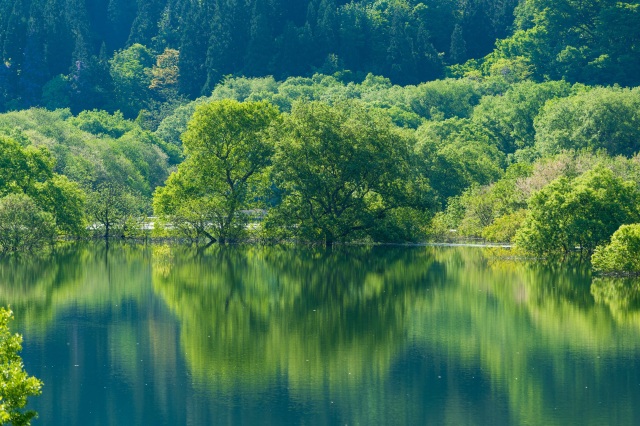
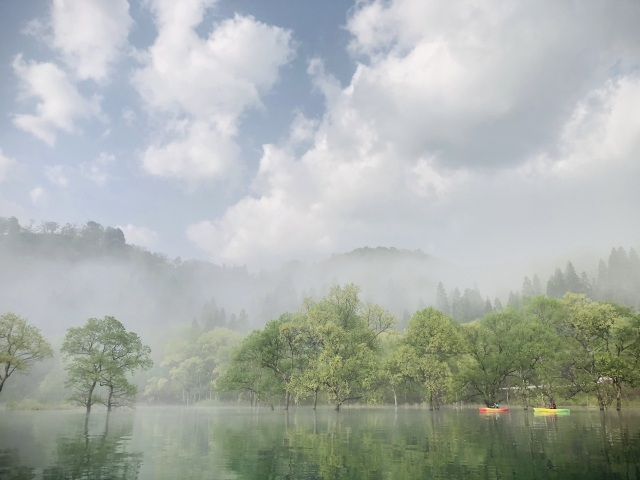
Locals distinguish two phases, each with its own mood and palette. From late March to mid-April, before the willows leaf out, the “white submerged forest” emerges—a contemplative tableau where lingering snow on the lakeshore and bare trunks create a monochrome hush. From mid-April to mid-May, the “green submerged forest” takes over as new leaves burst forth, deepening the lake’s color and setting off birdsong along the waterline. While both periods reward patient visitors, the latter typically coincides with Japan’s Golden Week holidays and can draw heavy crowds. If your schedule is flexible, the weekdays immediately after Golden Week offer calmer conditions with the same luminous greens. Regardless of your date, insiders recommend arriving early: on clear mornings, low fog sometimes drapes the willows, turning the lake into a stage set for a fairytale.
Best vantage point: Shirakawa Dam Lakeside Park
The primary viewing area is Shirakawa Dam Lakeside Park, which fronts the water and offers easy access to the best angles. The gentle shoreline allows visitors—photographers in particular—to move along the bank to frame reflections, align fog bands, and catch the moment when wind sculpts ripples across mirror-still water. Because the viewing window is short and weather-dependent, checking local conditions before setting out is wise.
Managing popularity: a temporary parking cooperation fee
As the submerged forest’s renown has grown, Iide Town and park managers have introduced crowd-control and conservation measures. From April 18 to May 18, visitors using the parking lots within Shirakawa Lakeside Park are asked to contribute a parking cooperation fee. Revenue supports temporary overflow parking, traffic marshals, and critical environmental upkeep around the lake and park, as well as broader tourism initiatives that help the community manage seasonal surges. Full details and the latest guidance are available on the official submerged forest site at iikanjini.info/suibotsurin.
Hot springs, local flavors, and a lakeside base
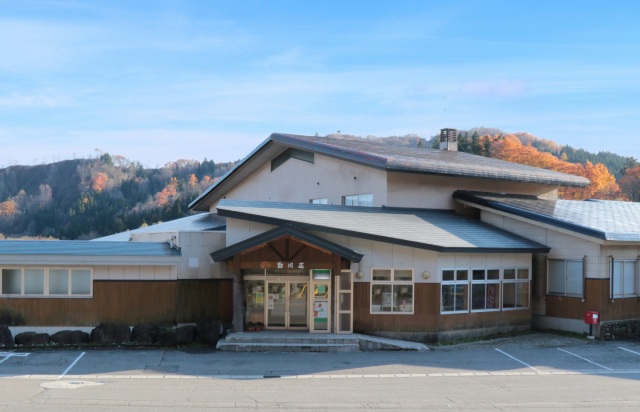
At the park entrance sits Shirakawasou, a hot-spring inn where day-trippers and overnighters can soak and refuel. The kitchen leans into local specialties, including doburoku—a rustic, lightly filtered sake—plus ramen topped with seasonal mountain vegetables. For dessert, the doburoku soft-serve offers a clean, subtly sweet twist on a classic. The on-site shop stocks limited-run collaborations inspired by the submerged forest, including tie-ins with the Outdoor Monster brand, alongside specialties from around Iide Town. For information on the inn and facilities, see shirakawasou.com.
Outdoors for all: park golf, camping, canoe and SUP
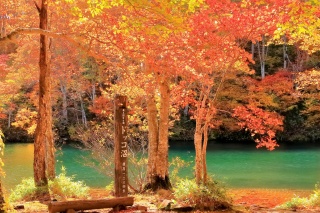
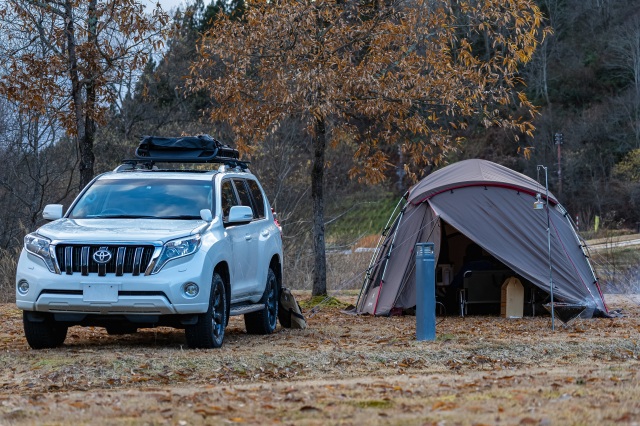
Shirakawa Dam Lakeside Park doubles as an easygoing outdoor hub. Families and casual players can try park golf on a compact course designed for low-stress play, while the adjacent auto-campsite caters to campers keen on unrolling sleeping bags under the stars. On the water, outfitters offer canoeing and stand-up paddleboarding (SUP) experiences, letting visitors glide among the willow trunks when conditions permit. Details for the park golf course and campsite are posted at shirakawasou.com/parkgolf.
Family-friendly adventure minutes away
Just a three-minute drive from the park lies Yamagata Prefecture’s Genryu no Mori (Source Forest), open annually from April 29 through November 30. It’s a hands-on playground woven into the woods, where more than 40 adventure elements—built with logs, wires, and ropes—test balance, agility, and teamwork. Beyond the obstacle courses, visitors can join pottery classes or craft seasonal wreaths, rounding out a full day that spans art and adrenaline. Pairing a morning at the lake with an afternoon in the forest is a smart way to divide time, especially for families.
Stay slow: farmhouse inns and rural rhythms
For travelers intent on lingering, the area hosts seven farmhouse inns, each offering a down-to-earth slice of countryside hospitality. Expect unhurried meals, the rustle of evening breezes, and starlit nights unmarred by city glow. These stays are well-suited to visitors chasing the kind of unvarnished rural experience that the submerged forest epitomizes. Listings and contact details are compiled by the Iide Town Tourism Association at iikanjini.com/tomaru.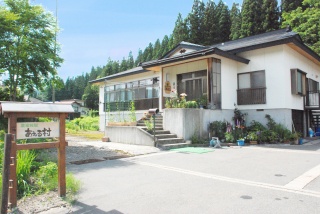
Rules of the water and sky: permits for drones and private craft
To keep visitors and ecosystems safe, drone pilots and individuals planning personal canoe or SUP outings must submit a Lake Surface Use Application in advance to the Shirakawa Dam Management Branch. The office can be reached at +81-238-75-2131. Submitting the application before any flight or launch helps authorities coordinate activity on the water and maintain safe distances during peak seasons. For drone photography precautions and local guidelines, consult the Iide Town Tourism Association’s official site at iikanjini.com.
Why this fleeting landscape matters
Shirakawa Lake’s submerged forest is a paradox: a stable ecosystem that’s visible in its most photogenic form only when water briefly reclaims the shoreline. That transience is part of the draw, but it also raises questions about stewardship as word-of-mouth and social media lure more visitors. The parking cooperation fee, increased staffing, and permit system reflect a growing emphasis on “good crowds”—tourism that supports local livelihoods while protecting what makes the place special. For Iide Town, the submerged forest is more than a photo op; it’s a seasonal engine that helps sustain hot springs, family-run inns, farm producers, and guides in a region better known for deep snow and quiet winters than for blockbuster attractions.
Planning at a glance
- Peak viewing: White submerged forest roughly late March to mid-April; green submerged forest mid-April to mid-May, weather dependent.
- Crowds: Expect congestion during Golden Week; the weekdays immediately after are the calmest bet.
- Timing: Early mornings yield the most atmospheric fog and glassy reflections.
- Access point: Shirakawa Dam Lakeside Park is the primary viewing area, with amenities nearby.
- Fees: Temporary parking cooperation fee from April 18 to May 18 supports crowd control and conservation (see official site for details).
- Permits: Required for drones and personal canoe/SUP; contact Shirakawa Dam Management Branch at +81-238-75-2131.
Whether you come for the monochrome hush of late March or the emerald blaze of mid-May, Shirakawa Lake’s submerged forest rewards unhurried attention. Wait for the breeze to settle. Watch the fog lift. In a tight two-month arc, this rural reservoir offers a master class in the art of showing just enough—and then disappearing until next year.