Japan urges Chinese vessel to halt activity in its EEZ
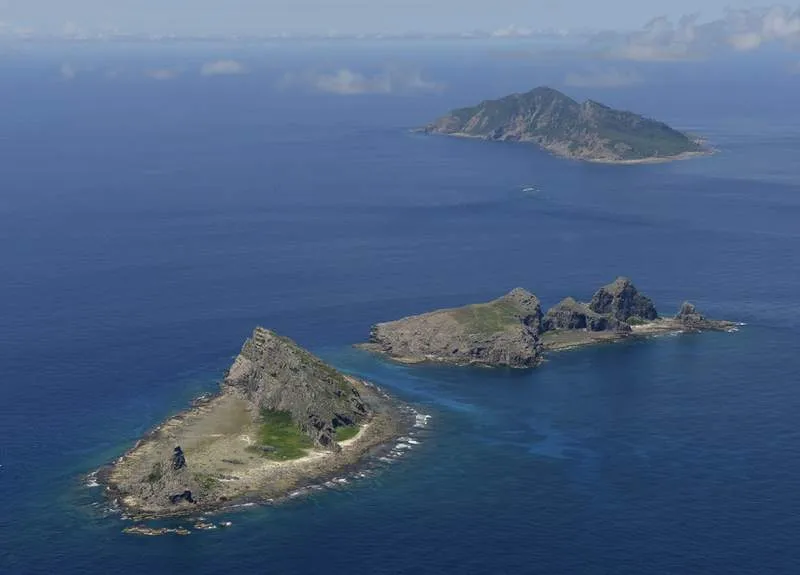
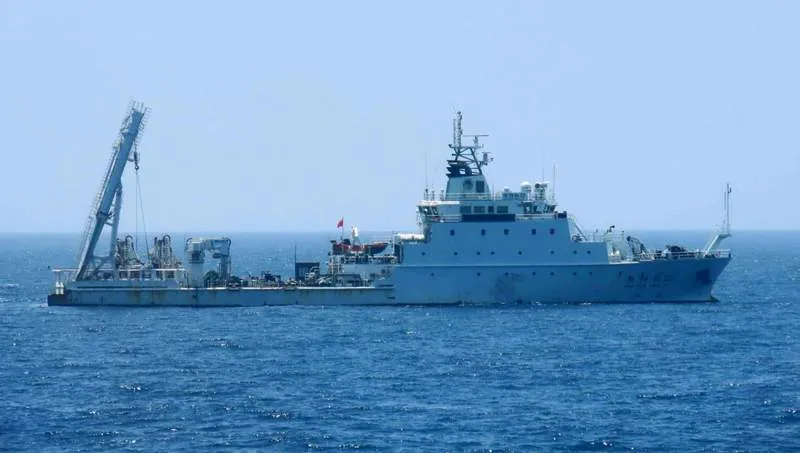
Japan’s Coast Guard has requested that a Chinese oceanographic research vessel stop its activity after it was observed deploying what appeared to be a wire-like device into the sea near Ishigaki Island, Okinawa Prefecture.
The 11th Regional Coast Guard Headquarters in Naha said the vessel was spotted at about 12:10 p.m. on the 27th, approximately 72 kilometers north of Ishigaki Island. The ship was identified as the Chinese research vessel Science, known in Japanese as “Kagaku.” A Japan Coast Guard patrol vessel contacted the ship by radio and requested that it discontinue the operation.
Japanese authorities said the activity appeared to involve marine scientific research. Under Japan’s position, scientific research in its exclusive economic zone requires the consent of the coastal state. The Coast Guard therefore regarded the operation as unacceptable because Japan had not given its approval.
Why the EEZ matters
An exclusive economic zone, or EEZ, generally extends up to 200 nautical miles from a country’s coast. It is not the same as territorial waters, where a coastal state exercises broad sovereignty. However, within an EEZ, the coastal state has special rights concerning natural resources, marine environmental protection and certain economic activities. Other countries retain freedoms such as navigation, but marine scientific research normally requires the consent of the coastal state under the United Nations Convention on the Law of the Sea.
For Japan, the waters surrounding Okinawa are particularly important. The southwestern island chain sits close to major sea lanes and is located near the wider East China Sea, an area where maritime activity has increased in recent years. Ishigaki Island is one of Japan’s major southwestern outposts and serves as an important base for residents, visitors and maritime authorities.
Part of a continuing pattern
The Japan Coast Guard said similar activities believed to involve Chinese vessels have occurred repeatedly in Japan’s EEZ since March 30. The latest incident adds to Tokyo’s concerns about unapproved surveys and the collection of information relating to seabed conditions, marine resources or broader maritime operations.
Oceanographic research can have legitimate scientific and environmental purposes, including studying currents, ecosystems, geology and climate conditions. At the same time, Japan and other countries closely monitor such activity when it takes place without prior notification or consent, particularly in strategically sensitive waters. Equipment lowered into the sea may be used for a range of purposes, and the exact nature of the operation cannot always be determined immediately from the surface.
Japan maintains a careful response
The Coast Guard’s radio request reflects Japan’s established approach of documenting maritime activity, communicating directly with vessels and asserting its legal position without unnecessarily escalating the situation. Further details, including how the Chinese vessel responded and whether it continued operating in the area, were not immediately provided in the report.
The incident underscores the importance of maritime monitoring for Japan, especially around its remote islands. It also highlights the practical role of the Japan Coast Guard in protecting the country’s maritime interests, supporting local communities and upholding rules governing activity in surrounding waters. As similar encounters continue, Tokyo is likely to keep raising the issue through diplomatic and maritime channels while emphasizing the need for transparency and respect for international law.