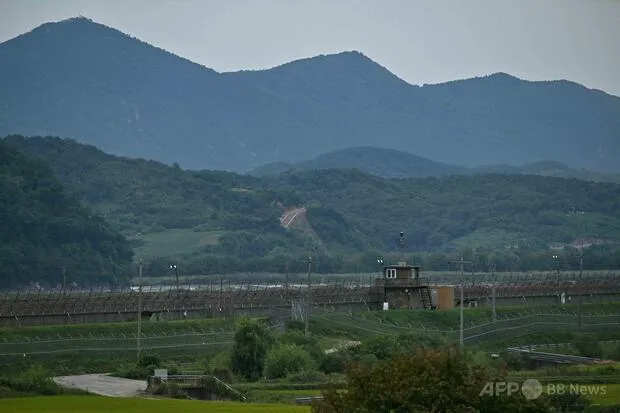
Seoul points to North Korean mine in DMZ explosion
South Korea’s Defense Minister Kang Shin-chul said on the 29th that a preliminary investigation had found North Korea responsible for a landmine explosion in the Demilitarized Zone, or DMZ, last week. He also described the incident as a clear violation of the Korean Armistice Agreement and warned that Seoul would take appropriate measures.
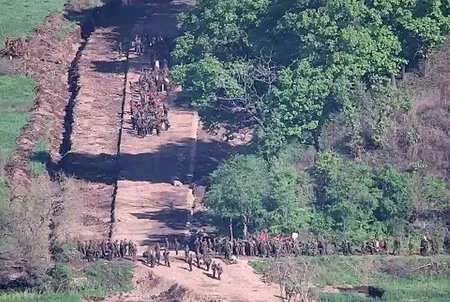
The blast, which occurred on the 21st, injured three South Korean soldiers. One of them suffered severe injuries that resulted in the amputation of one leg. The incident highlights the continuing dangers along the heavily fortified border, where military personnel operate among thousands of mines left behind by decades of confrontation.
Unexploded North Korean mine reportedly discovered
During a parliamentary hearing on the explosion, Kang said North Korea bore responsibility and that South Korea would respond accordingly. He did not provide details of the possible countermeasures, but told lawmakers that the country had necessary response options available and would implement them in stages.
A senior South Korean Joint Chiefs of Staff official said investigators conducting an on-site inspection early on the 29th had discovered an unexploded North Korean-made plastic anti-personnel mine. The discovery added weight to earlier findings by the Defense Ministry, which had said on the 28th that there was a very high probability that North Korean mines were responsible for two explosions reported in the area last week.
Because the DMZ is intended to remain demilitarized, the placement of weapons and military equipment there is generally prohibited under the armistice framework. However, the zone separating North and South Korea remains one of the most dangerous border areas in the world, with minefields and unexploded ordnance still posing a serious threat to soldiers and civilians.
A fragile armistice, not a peace treaty
The Korean War ended active hostilities in 1953 with an armistice rather than a formal peace treaty. As a result, the conflict has not technically been concluded, and the armistice continues to serve as the primary framework governing military conduct on the peninsula.
South Korea’s characterization of the blast as an armistice violation could further increase pressure on North Korea at a time when relations remain deeply strained. Seoul has not yet announced what measures it may take, and the government’s reference to a phased response leaves room for diplomatic, military or other actions. The emphasis on gradual implementation may also indicate an effort to strengthen deterrence while avoiding an immediate escalation near the sensitive border.
Why the incident matters beyond the Korean Peninsula
The episode is also closely watched in Japan. Tokyo has a direct security interest in stability on the Korean Peninsula because developments there affect regional missile threats, maritime security and coordination among Japan, South Korea and the United States. Japan has consistently supported efforts to preserve peace and stability in Northeast Asia while calling for compliance with international agreements and the peaceful resolution of disputes.
For foreign observers, the incident is a reminder that the Korean Peninsula remains technically at war and that even a localized event can carry wider regional implications. The investigation and Seoul’s eventual response will be closely monitored for signs of further escalation or renewed efforts to manage tensions.