A Korean restaurant in Romania's second-largest city has sparked international controversy by incorporating Japanese imperial symbolism in its interior design, raising questions about cultural sensitivity and historical awareness.
Design Elements Trigger Backlash
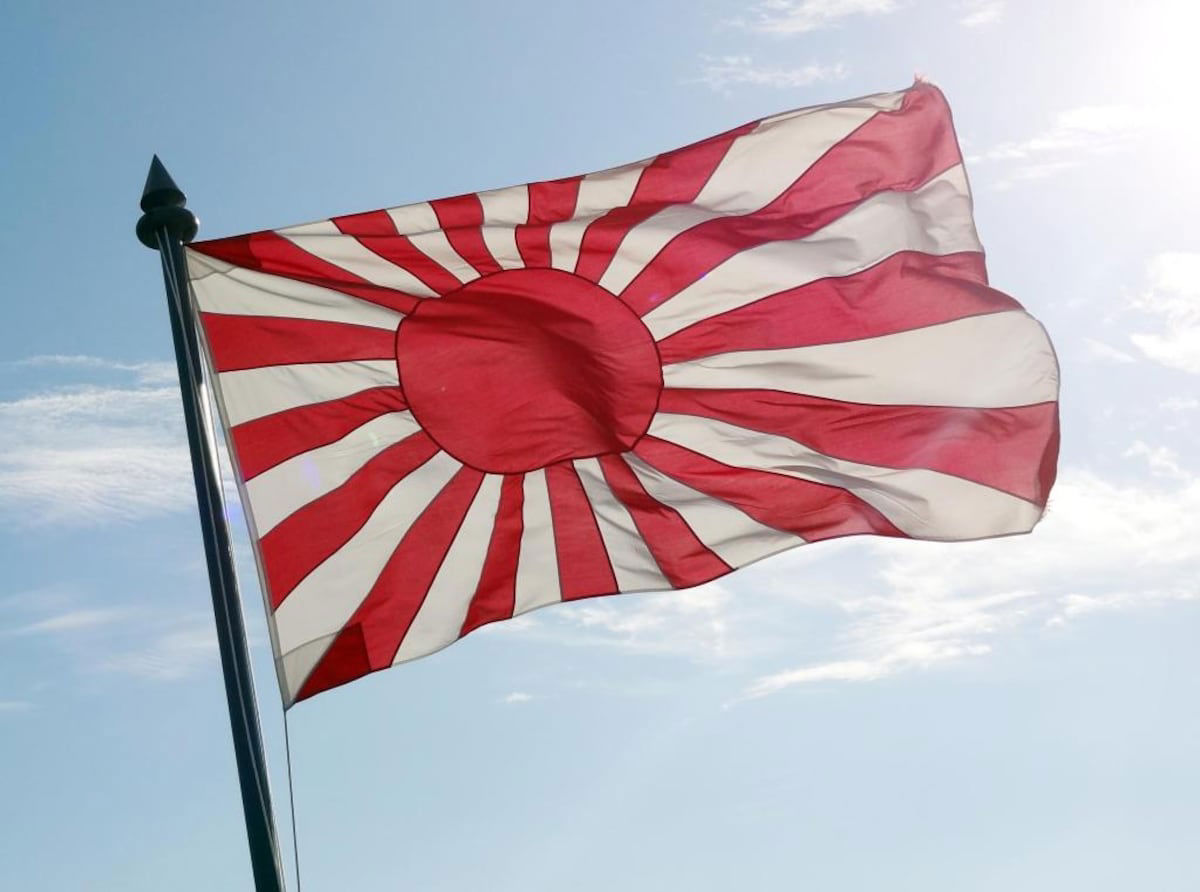
Bite me Korea, a Korean-style hot dog restaurant in Cluj-Napoca, features interior decorations including gas masks, kimono-clad women, and background patterns resembling the Japanese imperial flag (often called the Rising Sun flag). The establishment is reportedly owned by non-Koreans.
Korean Academic Response
Professor Seo Kyung-duk of Sungshin Women's University, known for campaigning against the symbol's use in international sporting events, called the design problematic: "It could mislead Romanians about Korean culture. We must identify and correct mistaken representations of Korean culture."
Historical Sensitivity and Modern Interpretation
The Japanese imperial flag carries different connotations across East Asia, particularly in countries that experienced Japanese occupation. While some view it as purely historical imagery, others associate it with militarism and imperialism.
Cultural Representation Questions
The incident raises broader questions about cultural representation in international business ventures. When entrepreneurs incorporate elements from multiple Asian cultures without understanding their historical significance, they risk causing unintended offense or perpetuating cultural misunderstandings.
Broader Implications for Global Business
This case highlights the increasing importance of cultural competency in global commerce. As businesses expand internationally, understanding the historical and cultural context of design choices becomes essential to avoid offending potential customers or misrepresenting cultures.
The restaurant owner has not yet responded to the criticism, leaving unanswered questions about intentionality behind the design choices.