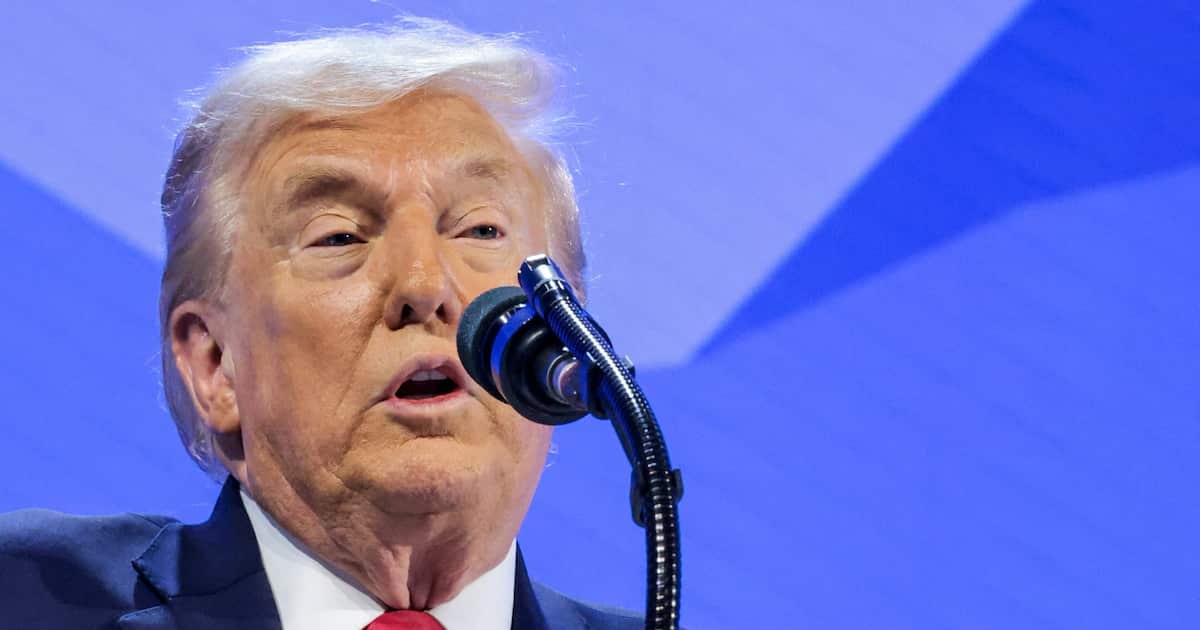
Foreign outlets and policy analysts are sharpening their focus on what they describe as the next frontiers of Donald Trump’s ambitions, warning that the logic behind his public musings about buying Greenland and revisiting control arrangements around the Panama Canal risks mirroring the rationale the Kremlin invoked before its invasion of Ukraine. The concern, aired by U.S. and international media as well as nonpartisan think tanks, is that framing territorial or strategic acquisitions as security necessities could revive a 19th‑century sphere‑of‑influence mindset with 21st‑century consequences.
From Caracas to Copenhagen: A Shift in Target and Tone
During his first term, Trump placed heavy pressure on Venezuela—recognizing opposition leader Juan Guaidó, imposing sanctions, and declaring that “all options” were on the table—presenting those moves as part of a broader push to counter authoritarian regimes in the Western Hemisphere. Now, commentators say attention has turned to terrain and chokepoints that Washington has long regarded as strategically vital: the Arctic and the Panama Canal. Trump’s previously reported bid to purchase Greenland, an autonomous territory within the Kingdom of Denmark, ran aground amid firm refusals from Copenhagen. But the idea resonated in parts of Trump’s political base as a bold act of strategic foresight—one that would consolidate American influence in the Arctic as new sea routes open and competition intensifies over rare earths, undersea cables, and military basing. Similarly, expressions of dissatisfaction about the Panama Canal’s management reflect longstanding anxieties in Washington over the security of a waterway that carries a significant share of U.S.-bound commerce, especially as global powers intensify their presence in Central America through infrastructure, logistics, and port operations. Critics counter that revisiting settled arrangements risks turning back the clock on a hard-won regional consensus acknowledging Panamanian sovereignty since the canal’s handover in 1999.
The Security Rationale—and Its Risks
Supporters of a tougher line argue that extraordinary geography requires extraordinary measures: Greenland sits astride the Arctic’s emerging sea lanes and hosts critical U.S. defense infrastructure; the Panama Canal is a chokepoint that, if disrupted, could roil supply chains and military logistics. They say preemptive steps to secure these assets are prudent, even overdue. Yet major newspapers in the United States have cautioned that the argument sounds uncomfortably familiar, echoing claims Moscow used to justify encroachment on its neighbors—namely, that security prerogatives outweigh the sovereignty of smaller states. The concern is not an equivalence of actions, but of logic: if great powers can unilaterally acquire or strong‑arm control of foreign territory or strategic facilities on the grounds of national security, the rule‑of‑law framework that has stabilized global commerce and navigation could erode—and with it, America’s moral authority to oppose similar moves by its rivals.
Carnegie’s Warning: A Monroe Doctrine for the 2020s?
The Carnegie Endowment for International Peace has warned that resurrecting a Monroe Doctrine-style policy—asserting special U.S. prerogatives across the Americas—would be a strategic own goal. Initially articulated in 1823 to deter European meddling in the Western Hemisphere, the Monroe Doctrine evolved over time, sometimes serving as a shield against colonialism but also, under the Roosevelt Corollary, as a rationale for U.S. interventions. Carnegie analysts argue that reviving that framework today would hand China and Russia a rhetorical and diplomatic gift: a ready-made defense for asserting their own “near-abroad” spheres, from Eastern Europe to the South China Sea. America’s insistence on a rules-based order depends on the principle that might does not make right; reembracing an exception for the Western Hemisphere invites others to carve out exceptions at America’s expense elsewhere.
Beijing’s Talking Points—and the South China Sea
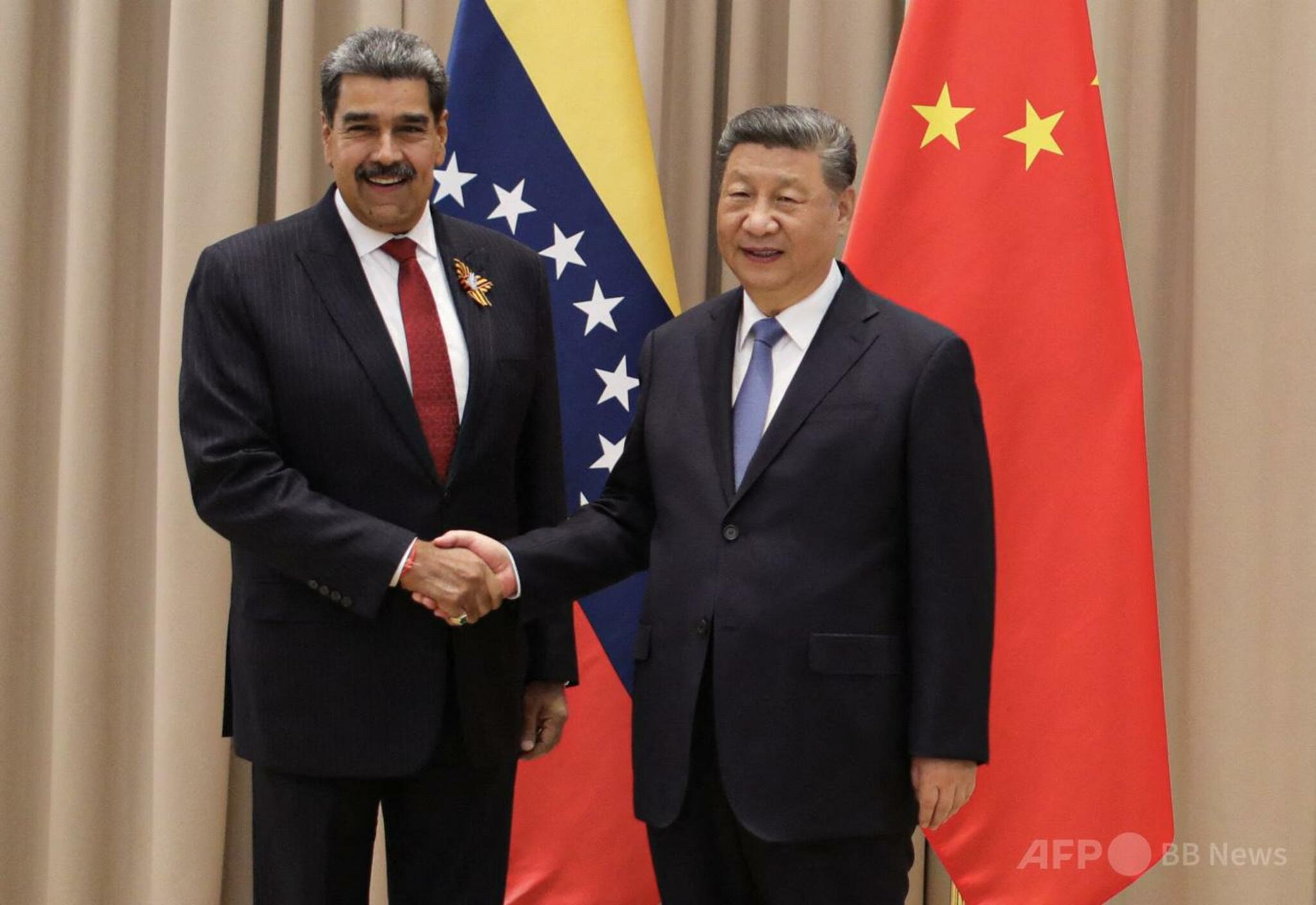
Chinese officials and state-affiliated commentators have already seized on U.S. historical precedents, citing decades when Washington’s influence in the Caribbean was so sweeping that the region was dubbed “America’s lake.” In recent years, Beijing has invoked analogies—however contested—to portray its expansive maritime claims and island-building in the South China Sea as a regional prerogative not unlike the United States’ past approach to the Caribbean. Any perceived U.S. return to a Monroe Doctrine posture, analysts say, would embolden such narratives, complicating efforts by Washington to rally Southeast Asian partners around freedom of navigation and the U.N. Convention on the Law of the Sea.
Greenland, NATO, and the Arctic Chessboard
Greenland is more than a map curiosity. It is part of the Kingdom of Denmark, a U.S. treaty ally in NATO. Thule Air Base, located on the island, is a core node in America’s missile warning and space surveillance architecture. As climate change accelerates Arctic access, Denmark, Greenland’s local government, the United States, and other Arctic Council members are navigating a delicate balance between development and defense. A U.S. attempt to purchase Greenland—rejected by Copenhagen—rattled allies, raising questions about how Washington intends to advance its Arctic strategy: by deepening cooperation or by treating allied territory as a commodity. European diplomats warn that perceived disregard for allied sovereignty could fracture the coalition the United States relies on to deter Russia in the High North and beyond.
Panama Canal Politics and Regional Backlash
The canal remains a symbol of national pride in Panama and a barometer of U.S.-Latin America relations. Since sovereignty transferred in 1999, Panama has modernized the waterway and courted global investment. U.S. complaints about management or insinuations of reclaiming control would likely provoke a sharp backlash across the region, where memories of Cold War-era interventions still color attitudes toward Washington. Latin American governments, even those aligned with the United States, have bristled at suggestions of unilateral U.S. prerogatives in their neighborhood. A new round of pressure could complicate cooperation on migration, counternarcotics, and economic integration—areas where Washington seeks progress.
After Venezuela: Strategic Ambition Meets Political Reality
Trump’s focus on Venezuela marked a dramatic chapter, but translating great‑power ambitions into durable policy requires coalition-building at home and abroad. In Washington, any move to expand U.S. control over foreign territory or critical infrastructure would face scrutiny from Congress, legal challenges, and resistance from allies. Abroad, both Moscow and Beijing would exploit the moment, citing American hypocrisy to justify their own pushes for influence—from Crimea and Donbas to disputed reefs and straits. The net effect, experts warn, could be to energize America’s competitors while isolating the United States from the very partners it needs.
What to Watch
- Signals from Copenhagen, Nuuk, and Brussels about Arctic cooperation and investment; - Panama City’s stance on canal governance and security partnerships; - Rhetorical shifts in Washington: whether policymakers emphasize international law and alliance consultation or lean into unilateral “security necessity” claims; - Propaganda lines from Beijing and Moscow leveraging Monroe Doctrine references; - Reactions across Latin America and the Caribbean, especially ahead of regional elections where anti-intervention sentiment can be decisive.
The broader question, analysts say, is not whether the United States should protect its security—that is a given—but how. If the answer looks like a 19th‑century doctrine repackaged for a volatile, multipolar era, America may find that in trying to secure its backyard, it has opened the door for others to fence off theirs.