Discovering the world of bonsai
For many people outside Japan, bonsai can appear to be an elegant but highly specialized form of gardening—beautiful to look at, yet difficult to understand. A new Japanese book, Bonsai as Cultural Literacy by Toru Yoda, aims to make this distinctive art form more approachable by focusing not on how to grow bonsai, but on how to appreciate and interpret it.
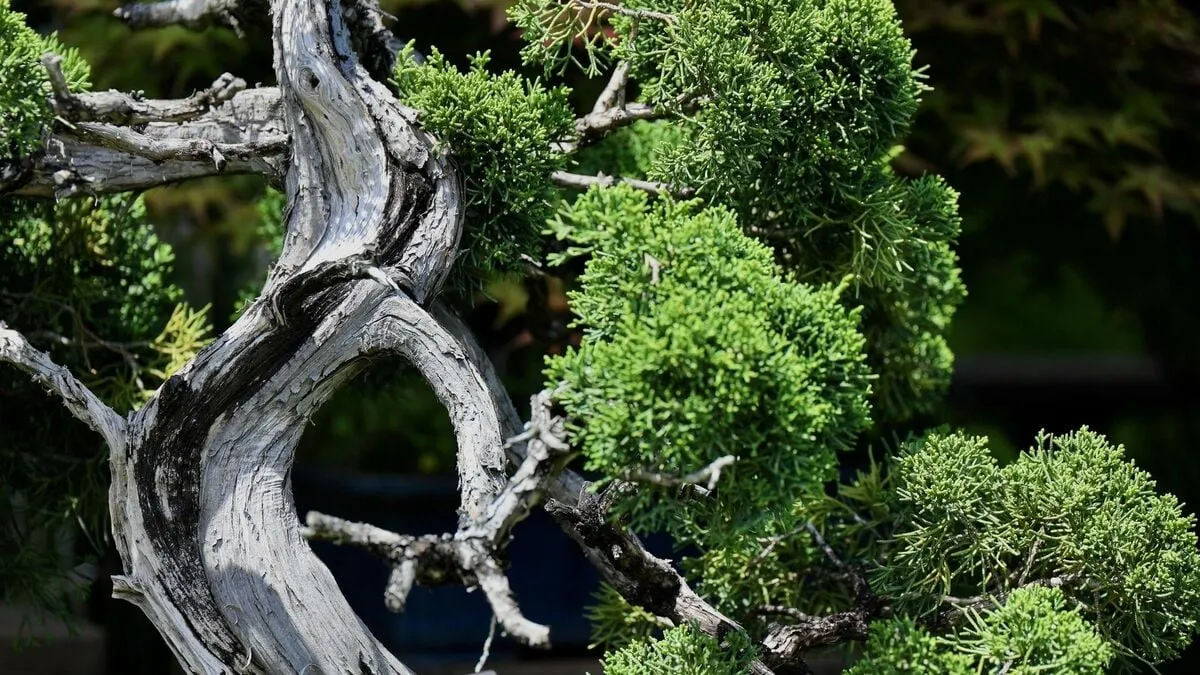
The book has attracted attention because it offers an easy entry point into a subject that can initially seem intimidating. Richly illustrated and written for general readers, it encourages people to slow down and examine what is visible in a bonsai: the arrangement of its branches, the shape of its trunk, the exposed roots, the texture of its bark and the balance between the tree and its container.
A small tree carrying a long history
Bonsai literally refers to trees cultivated in containers, but the art is far more than simply keeping a plant small. A well-developed bonsai presents the impression of a mature tree shaped by time and nature, even though it exists within a compact pot. Some specimens have lived for hundreds of years, making them living records of changing generations, landscapes and horticultural traditions.
That sense of time is one reason bonsai continues to fascinate audiences around the world. Its beauty is not based only on flowers or color. Viewers are invited to notice the aged bark, the movement of the trunk, the spacing of the branches and the visual suggestion of wind, struggle and survival. Looking closely from a lower angle can reveal details that are easily missed when a bonsai is viewed casually.
From familiar Japanese hobby to international interest
In Japan, bonsai is not an entirely distant or unfamiliar tradition. Many Japanese people have encountered bonsai in the homes of relatives, neighbors or older hobbyists. At the same time, contemporary bonsai shops with stylish designs and modern branding have begun attracting younger customers, helping the tradition connect with new generations.
For foreign visitors, however, the more difficult question is often how to look at a bonsai. What should be admired first? Why are some trees considered especially significant? And how should the relationship between the tree, the pot and the surrounding display be understood? Yoda’s book addresses this gap by presenting bonsai appreciation in a clear and accessible way.
A specialist’s perspective
Yoda was involved in the preparation and opening of the Omiya Bonsai Art Museum in Saitama City, which opened in 2010. He worked with bonsai for approximately three and a half years, including the museum’s preparation period. Because museums had relatively little accumulated expertise in presenting bonsai to the public at that time, many practical questions had to be explored from the ground up. These included how to write exhibition explanations and audio-guide scripts, as well as how to estimate the age of bonsai containers, known in the bonsai world as bonki.
After leaving the museum, Yoda published The Birth of Bonsai, a study that brought together his research. His work later led to an invitation from Japan’s Agency for Cultural Affairs, where he was associated with the title “cultural creation analyst.”
Why bonsai matters today
Bonsai offers international audiences a particularly vivid introduction to Japanese ideas about patience, care, seasonal change and the beauty of imperfection. It also reflects a broader Japanese approach to nature: rather than attempting to erase every sign of age or hardship, bonsai often emphasizes character shaped by time.
For readers curious about Japan, the book provides more than gardening advice. It opens a window onto a cultural practice that combines art, history, craftsmanship and observation. As interest in Japanese culture continues to grow among collectors, travelers and global business leaders, bonsai is increasingly being appreciated not merely as a decorative object, but as a sophisticated form of cultural knowledge.