First operational use of Japan-Philippines logistics agreement
The Japan Air Self-Defense Force has applied the Japan-Philippines Acquisition and Cross-Servicing Agreement, or ACSA, for the first time during a joint exercise with the Philippine Air Force, Japan’s Defense Ministry said on the 9th. The agreement enabled the Japanese side to receive logistical support, including fuel, for an Air Self-Defense Force aircraft participating in the training.
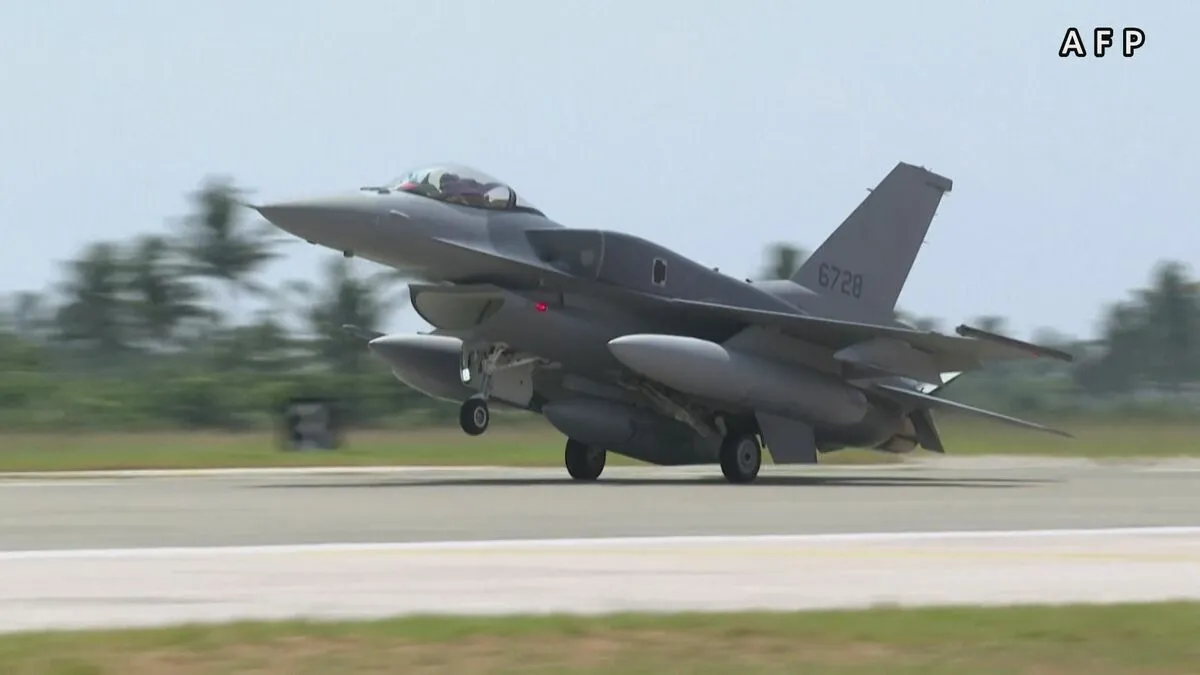
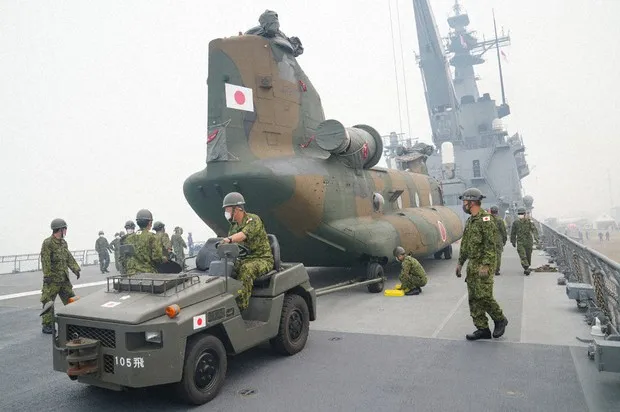
The exercise, known as “Doshin-Bayanihan,” was held from the 4th through the 9th on Leyte Island and Mactan Island in the Philippines. It focused on humanitarian assistance and disaster relief scenarios, including the delivery of supplies and the evacuation and treatment of injured or sick people. Japan took part with a C-130H transport aircraft, a platform designed for moving personnel and cargo and for supporting relief operations over long distances.
What the ACSA means
ACSA agreements provide a framework for countries to exchange goods and services during activities such as joint exercises, disaster-relief missions and international peacekeeping operations. Such support can include fuel, transportation, food, medical assistance and other essential supplies. By establishing common procedures in advance, the agreements can make cooperation faster and more efficient when forces are operating together.
Japan and the Philippines signed their ACSA in 2024, deepening a relationship that has expanded across security, disaster response and regional cooperation. The first application during a humanitarian-oriented exercise demonstrates how the agreement can support practical activities beyond traditional combat training. It also gives personnel from both countries experience in coordinating logistics, a key requirement for effective emergency response.
Humanitarian cooperation in a disaster-prone region
The Philippines regularly faces typhoons, floods, earthquakes and other natural disasters. Japan, which has extensive experience in disaster preparedness and relief operations, has long supported the country through development assistance, emergency aid and technical cooperation. Training that combines air transport, supply delivery and medical evacuation can help both countries improve their ability to respond when communities are isolated or critical infrastructure is damaged.
For Japan, the exercise also highlights the versatility of the Air Self-Defense Force’s transport capabilities. C-130H aircraft can deliver relief supplies and personnel to locations where roads, ports or commercial air links may be disrupted. Working alongside the Philippine Air Force allows Japanese crews to become familiar with local procedures and operating environments while strengthening communication between the two countries.
Broader significance for bilateral ties
The ACSA’s first use reflects the steady development of Japan-Philippines relations. Both governments have emphasized a free, open and stable Indo-Pacific, while also stressing the importance of humanitarian assistance and disaster relief. Practical cooperation in these areas can build trust and improve readiness without being limited to military contingencies.
The latest exercise is therefore significant on two levels: it strengthens operational coordination and provides a concrete example of how Japan’s international partnerships can support public safety. As climate-related disasters and regional emergencies continue to test governments across Asia, mechanisms that allow countries to share resources efficiently are likely to become increasingly valuable.