Japan secures historic international finance role
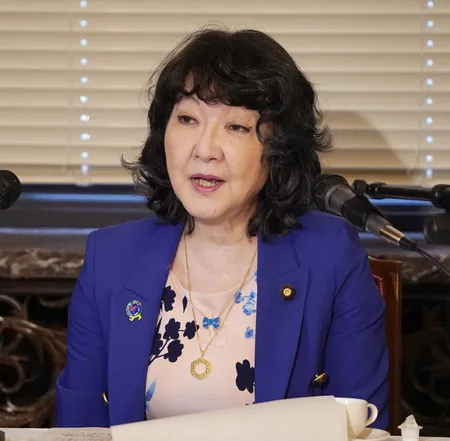
Japan is set to take on a historic leadership position in global development policy, with Finance Minister Satsuki Katayama appointed as the next chair of the World Bank and International Monetary Fund (IMF) Joint Development Committee.
Prime Minister Sanae Takaichi announced the decision on the 12th in a post on X, formerly known as Twitter. The appointment marks the first time since the committee was established in 1974 that a Japanese representative will serve as its chair.
What the Joint Development Committee does
The Joint Development Committee is a major forum connecting the World Bank and the IMF. It brings together finance and development ministers from key member countries to discuss international economic challenges and provide guidance to both institutions.
Its agenda includes policies aimed at supporting economic growth in developing countries, strengthening financial stability, reducing poverty and improving access to sustainable development financing. The committee also considers how international institutions can respond to challenges such as debt pressures, infrastructure needs, climate-related risks and uneven global growth.
The committee does not directly manage individual development projects. Instead, it offers high-level policy advice that can influence the priorities and approaches of the World Bank and the IMF, two of the most important institutions in the international financial system.
A significant role for Japan
Katayama’s appointment highlights Japan’s long-standing involvement in international development and multilateral economic cooperation. Japan has traditionally emphasized infrastructure investment, human resource development, disaster resilience and partnerships designed to support sustainable growth in developing economies.
As chair, Katayama is expected to help guide discussions among major member countries and coordinate dialogue between the World Bank and the IMF. The position will give Japan an important platform to present its views on development finance, economic stability and cooperation across the Indo-Pacific and beyond.
Japan is also one of the World Bank’s major shareholders and has played a prominent role in global economic policy discussions for decades. Its experience in rebuilding and achieving rapid economic growth after the Second World War has often shaped its approach to development assistance and international cooperation.
Current leadership and wider implications
The committee is currently chaired by Sweden’s Finance Minister Elisabeth Svantesson. The transition to Katayama will place a Japanese finance minister at the center of discussions involving both advanced and developing economies.
For Japan, the appointment offers an opportunity to strengthen its diplomatic and economic presence while contributing to international efforts to address development challenges. It may also draw greater attention to Japan’s experience in areas such as aging societies, technological innovation, infrastructure quality and disaster preparedness.
The announcement comes as developing countries continue to face complex pressures, including rising financing costs, heavy debt burdens and the need to invest in climate adaptation and essential services. Katayama’s chairmanship will therefore be closely watched as the World Bank and IMF consider how best to support inclusive and resilient growth.
Further details, including the precise timing of the leadership transition and the committee’s priorities under Japan’s chairmanship, are expected to be confirmed through the relevant international institutions.