Mio Imada’s cover look sets off a national style conversation
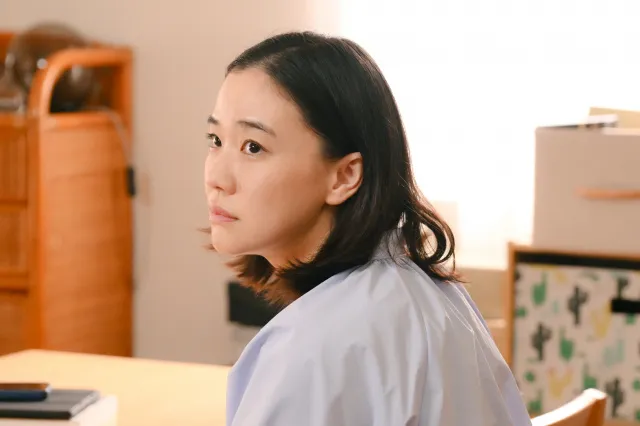
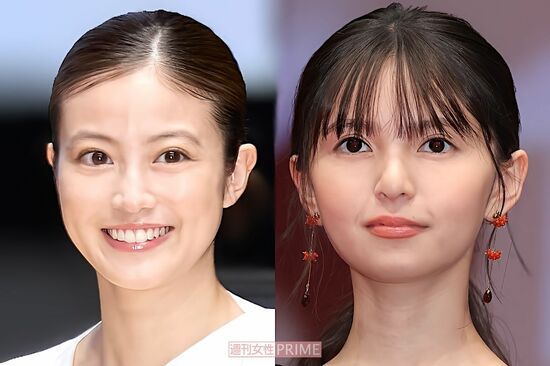
Japan’s fashion world is abuzz after actor Mio Imada appeared on the July issue of FIGARO japon (on sale May 20) in a full MIU MIU look—complete with a pale-blue “show underwear” layer deliberately peeking out at the waist. The styling, which paired a white shirt, navy sweater, and a beige tailored set-up, drew immediate attention to the visible shorts. According to MIU MIU’s official listings, the piece carries a price tag of around ¥160,000 (roughly USD 1,000), turning a subtle styling detail into the headline of the day.
The conversation didn’t start in a vacuum. Former Nogizaka46 star Asuka Saito was also seen wearing MIU MIU’s visible-underwear styling at the brand’s “Miu Miu Jazz Club Tokyo” event held May 13 at its Ginza store—an unmistakably high-profile stage in Japan’s luxury district. Together, the two appearances crystallized a trend that has been bubbling on global runways and in K-pop for several seasons: underwear-as-outerwear, low-slung waists, and Y2K-era flashes of lingerie repurposed as fashion accents.
Online reactions: admiration, shock, and realism
Social media lit up with mixed reactions, reflecting Japan’s vibrant but thoughtful fashion culture. Typical comments included, “¥160,000 pants?! Unbelievable,” “Is showing your underwear really the new trend?” “I truly dislike this style,” and “For ordinary people, this is a high bar.” While some applauded the editorial daring and the way Japanese stars interpret global trends with precision and polish, others questioned whether a runway concept—especially one that requires designer pricing and body-baring confidence—can translate to daily life.
What “mise-pan” means—and why it matters now
In Japan, the idea of “mise-pan” (literally, underwear meant to be seen) has existed on the fringes of street style for years, from Harajuku experimentation to music-scene costumes. What’s new is its migration into glossy magazine covers and front-row events hosted by a major luxury house. MIU MIU, part of the Prada Group, has been a prime mover behind the recent low-rise revival, using styled briefs and waistbands as deliberate design elements. The brand’s choice to stage an immersive “Jazz Club” in Tokyo underscores Japan’s status as a crucial market where trends do more than land—they are refined and reinterpreted with an eye for craftsmanship and detail.
Global influence, Japanese lens
From K-pop stages to international red carpets, visible-underwear styling has gained traction, often paired with immaculate tailoring to balance boldness and elegance. Japanese celebrities are engaging with the look in a way that typifies the country’s fashion DNA: precise layering, clean lines, and a sophisticated play between modesty and reveal. Yet cultural norms remain important. Many offices and schools in Japan maintain conservative dress expectations, which is why even fashion-forward locals say the look is hard to wear outside of editorial shoots, nightlife, or trend-setting neighborhoods like Shibuya and Harajuku.
Practical takeaways for visitors and residents
For those living in or visiting Japan, the discussion is less about moral panic and more about context: where and how to try it. Fashion districts, concerts, and creative industry settings are welcoming spaces to experiment. Workplaces and formal occasions are generally not. Budget-friendly approaches include layering a visible waistband over opaque tights, choosing mesh overlays, or testing the silhouette with mid-rise trousers that offer a subtler reveal. Japan’s thriving secondhand scene—from Shimokitazawa to online resale—also provides lower-cost paths to participate in high-concept trends with a sustainability bonus.
Why the price became part of the story
The ¥160,000 tag sparked conversation not just about taste, but value. Japan’s consumers are famously discerning, and debates about cost-per-wear and craftsmanship are routine. Luxury pricing, especially for a stylistic accent, naturally draws scrutiny. Yet it also highlights why Tokyo remains central to global fashion: audiences here will rigorously test the boundary between editorial fantasy and real-life wearability—often inspiring brands to iterate, localize, and improve.
The bottom line
Whether you see MIU MIU’s peekaboo shorts as visionary or impractical, the reaction in Japan shows a healthy, nuanced fashion ecosystem at work. Celebrities help introduce global ideas; the public responds with candor; and, over time, the market distills what truly fits Japan’s streets. Expect the visible-underwear conversation to continue—shaped by Japanese sensibilities that blend bold creativity with everyday elegance.