FT report claims a flashpoint over Japan at Beijing summit
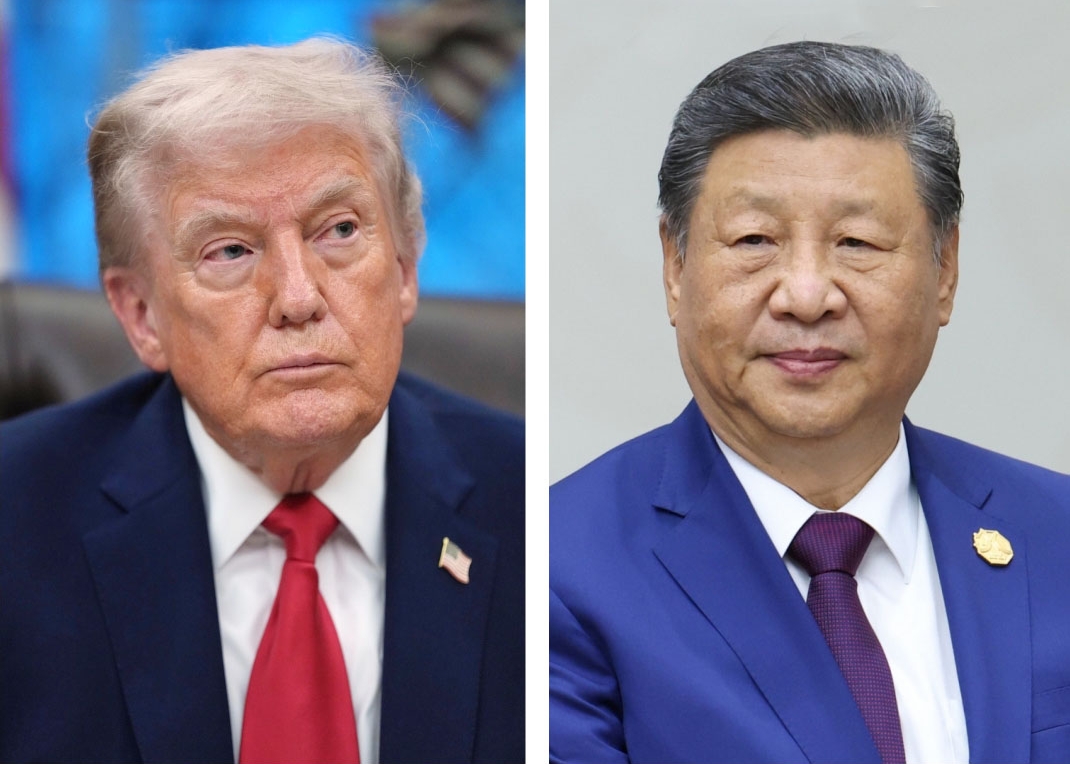
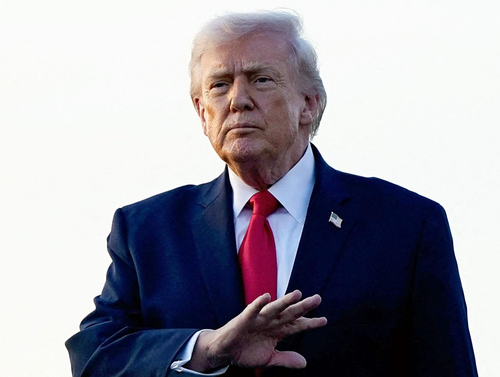
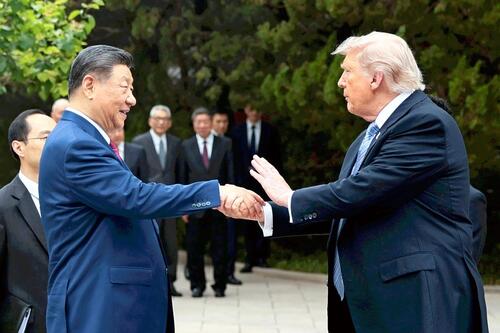
China’s President Xi Jinping sharply raised his voice over Japan’s defense policy during the U.S.–China leaders’ summit in Beijing on the 14–15 of this month, the Financial Times reported on the 24th, citing multiple people briefed on the talks. According to the FT, Xi accused Prime Minister Sanae Takaichi of pursuing “rearmament,” prompting what sources described as one of the most tense moments of the two-day dialogue. The report adds that U.S. President Donald Trump defended Tokyo’s course, pointing to the escalating threat from North Korea to argue that Japan has little choice but to strengthen deterrence.
Beijing pushes back
China’s Ministry of Foreign Affairs rejected the account. Spokesperson Mao Ning told reporters on the 25th that official readouts already capture the substance of the summit and that the FT story “differs from what China understands,” effectively denying that such an outburst took place. The FT’s reporting remains uncorroborated by on-the-record participants, underscoring the opacity that often surrounds high-stakes diplomacy—particularly when it touches on third-country security issues.
Why Japan’s defense agenda is in the spotlight
Japan’s security trajectory has drawn intense regional attention since Tokyo adopted a new National Security Strategy in 2022 and laid out plans to raise defense spending toward 2% of GDP by fiscal 2027. Measures include acquiring counterstrike capabilities, upgrading integrated air and missile defense, hardening critical infrastructure, and standing up a permanent joint headquarters to improve Self-Defense Forces readiness. Japanese officials and a broad cross-party consensus frame these steps as a realistic, defensive response to a harsher security environment—repeated North Korean missile launches, a more assertive Chinese military posture around the East China Sea and Taiwan Strait, and deepening Russia–China strategic coordination. Far from “rearmament,” Tokyo stresses continuity with its pacifist Constitution and strictly defensive orientation.
Regional rhetoric heats up
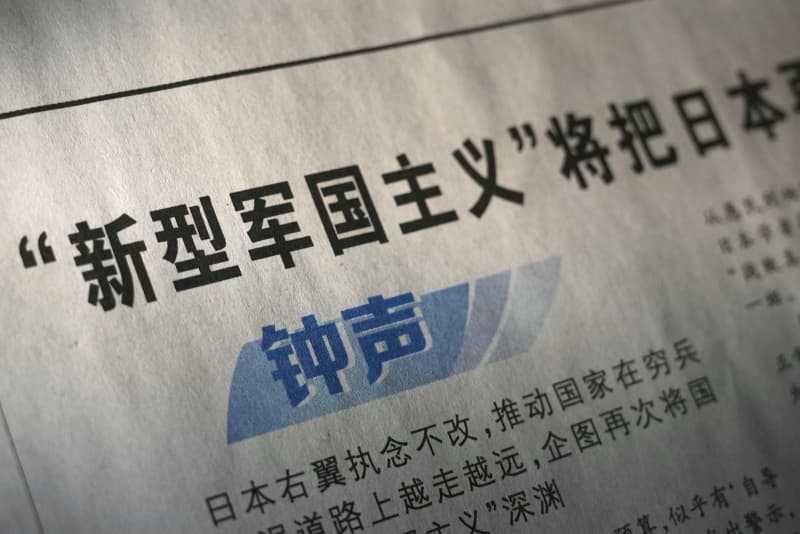
The FT’s account also dovetails with sharper recent rhetoric. In March, Trump reportedly told Prime Minister Takaichi he intended to “praise Japan” in talks with Xi—a signal of enduring U.S.–Japan alignment. And following his meeting with President Vladimir Putin on the 20th of this month, Xi criticized what he called attempts to “revive militarism,” a phrase Chinese officials have used to attack Japan’s incremental defense normalization. For Tokyo, such language overlooks the transparency, legal constraints, and alliance-based posture that distinguish Japan’s approach from great-power militarization.
What it means for Japan—and for partners
Even if Beijing disputes the FT’s characterization, the episode highlights a core reality: Japan’s security choices are central to the Indo-Pacific balance. A stronger, more resilient Japan—anchored in the U.S. alliance, cooperating with partners like Australia, South Korea, and Europe, and investing in technology and supply-chain security—raises the cost of coercion and helps stabilize a region facing simultaneous missile, cyber, and gray-zone pressures. For global investors, students, and professionals eyeing Japan, that stability matters: policy continuity supports innovation, defense-tech collaboration, and the safe, predictable environment that underpins Japan’s appeal as a place to live, work, and build.
Outlook: steady course, measured tone
Expect Tokyo to stay its course—defensive, rules-based, and transparent—while keeping open channels with Beijing to manage risks. Whether or not tempers flared in Beijing, the strategic fundamentals remain: Japan is modernizing within constitutional limits to deter threats, not to provoke them. The real test ahead is less about who raised their voice and more about who can lower tensions through credible deterrence, crisis communication, and practical cooperation where interests align.