A swift, sober response shakes Japanese baseball
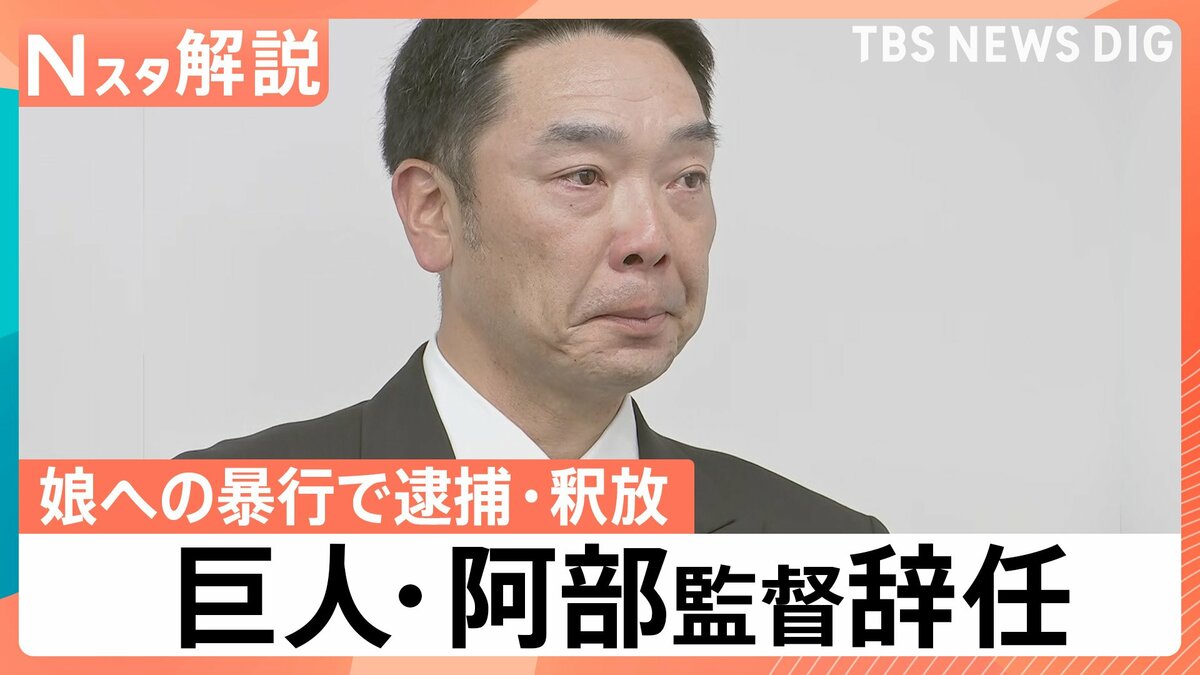
Shinnosuke Abe, manager of the Yomiuri Giants and one of Japanese baseball’s most recognizable figures, resigned on May 26 following his arrest the previous evening on suspicion of assault involving his eldest daughter. Police arrested Abe at his Tokyo home after responding to a report made via a Child Guidance Center; he was later released. At a press conference announcing his resignation, a statement attributed to his 18-year-old daughter said there had been “no punching or kicking,” and that the confrontation was their first major argument. The episode has opened an important public discussion: why did Japan’s Child Guidance Center rapidly alert the police, and how do the country’s safeguarding rules work in real time?
Who is Shinnosuke Abe?
Abe joined the Giants in 2001 and became the starting catcher from his rookie season. He earned nine Best Nine selections, four Golden Glove Awards, and reached 2,000 career hits in 2017—only the 49th player in Nippon Professional Baseball (NPB) history to do so. He represented Japan at the Sydney and Beijing Olympics and in the 2009 and 2013 World Baseball Classic tournaments. After retiring in 2019, he stayed with the Giants organization and became first-team manager in 2024, solidifying his reputation as “the face of the Giants.”
What happened on May 25–26
According to police accounts cited by Japanese media, Abe told investigators he had intervened in a dispute between siblings, became angry when one daughter “talked back,” and allegedly grabbed his 18-year-old by the collar and pushed her. The daughter reportedly searched online—using an AI chatbot among other sources—and contacted a Child Guidance Center, which then called the police shortly after 7 p.m. Officers who arrived assessed the situation on site and conducted a same-day arrest on suspicion of assault. Abe was later released; authorities have not announced further prosecutorial decisions as of publication.
Why the Child Guidance Center called police quickly
Japan’s Child Guidance Centers (jidō sōdanjo) are government agencies established under the Child Welfare Act. As of April 1, there are 243 centers nationwide staffed by child welfare officers, public health nurses, and other specialists. Their primary remit is children under 18, and when a report suggests immediate risk or falls at the threshold of their mandate, centers can request police assistance without delay. Analysts note that because the daughter is 18—right at the age boundary—the center may have judged that prompt police involvement was the most appropriate, lawful way to secure safety and document events. By policy, when abuse is suspected, authorities aim to confirm a child’s safety within 48 hours; in urgent cases, they act faster and may separate parties while facts are assessed.
Japan’s approach: safety first, then due process
Globally, safeguarding systems prioritize preventing harm. In Japan, emergency police intervention is common when there is a risk of escalation at home. The immediate separation of involved parties is not a judgment of guilt; it is a procedural step to de-escalate, protect potential victims, and preserve evidence. Commentators also point out a cultural-legal nuance: Japan tends to emphasize the criminal process in first response, while civil remedies may follow later, whereas some jurisdictions coordinate both tracks from the outset. In practice, Japan’s system aims to be decisive yet measured, reflecting a broader societal commitment to child welfare.
Calls for restraint as facts emerge
Business leader Harold George Meij observed that leaders face two opposing pressures after an incident: to act quickly and to be fair only after gathering sufficient facts. He cautioned against allowing early, partial information to harden into assumptions—particularly notions of “habitual” behavior—before authorities complete their work. As more details surfaced, including the daughter’s statement that there was no punching or kicking and reports that she was uninjured, Meij suggested the resignation decision might feel “premature” to some observers, even as he acknowledged the imperative of accountability.
Implications for sport and society
Abe’s resignation underscores how seriously Japan’s sports institutions treat off-field conduct. Swift accountability, even at the top of a storied club, signals that safeguarding and trust come first. For fans, it is a reminder that NPB—one of the world’s best-organized professional baseball ecosystems—strives to balance due process with community expectations. For families, the case highlights that help is available and that authorities will move quickly to secure safety, regardless of status or fame.
Practical help—hotlines you can use in Japan
Anyone in Japan, including foreign residents, can seek confidential help. Dial 189 (“ichihayaku”) to reach the Child Guidance Center response line 24/7, toll-free. The 24-hour Child SOS Line is 0120-0-78310 (“nayamiiō”) and connects callers to local educational counseling services. These services accept anonymous contacts; when in doubt, call. Japan’s system is designed to assist first and sort out details next.
Bottom line
The Abe case is a sobering moment for Japanese baseball and a clear example of Japan’s safety-first safeguarding framework in action. The police responded swiftly, the club moved decisively, and the broader conversation now turns to fact-finding, fairness, and support for those involved. Japan’s institutions are not perfect, but they continue to show a strong, evolving commitment to protecting children and upholding trust—values that resonate with residents, expats, and fans alike.