Tokyo’s most beloved mountain, now Japan’s busiest for rescues
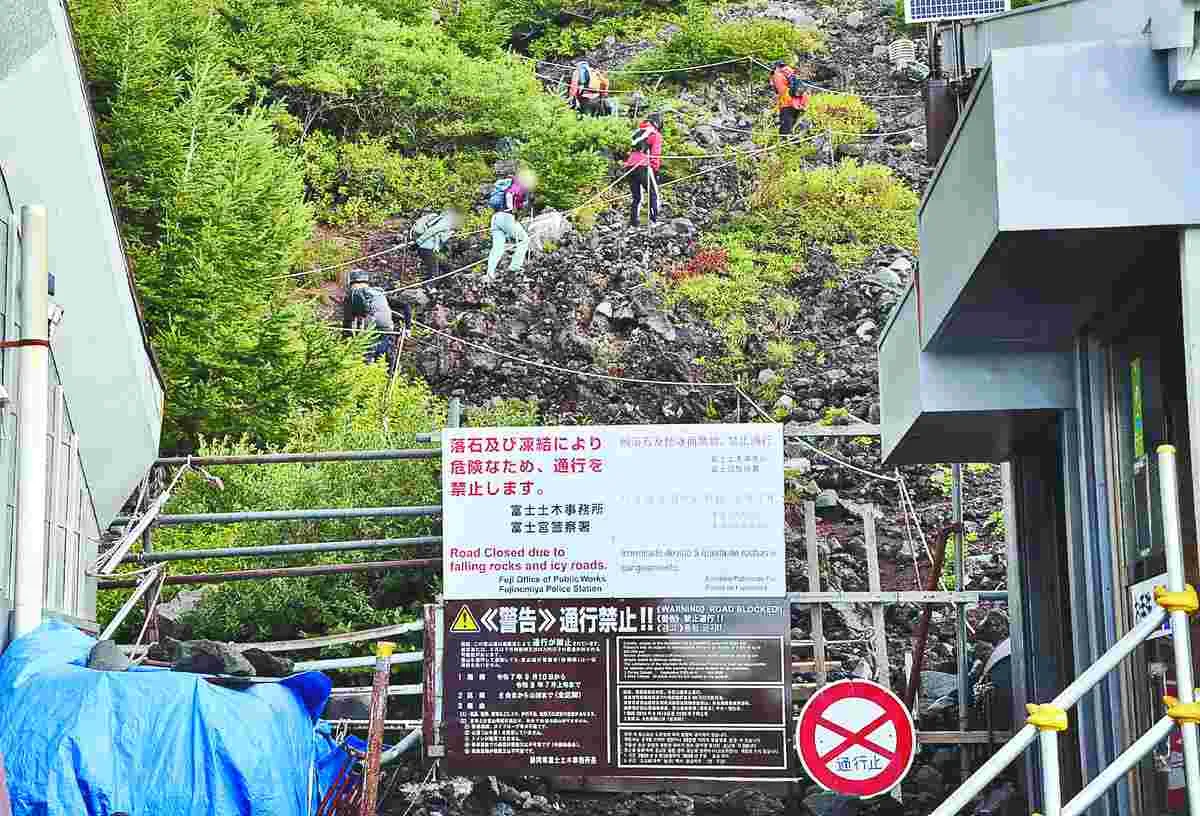
Just west of central Tokyo, Mt. Takao (599m) draws an estimated 2.5–3 million visitors a year, often cited as the world’s most-climbed mountain. Yet despite its modest altitude and easy access, it has recently topped Japan for mountain rescue callouts. According to a June 2024 National Police Agency overview, Takao saw 131 rescue cases in 2024—around 52% above the five-year average of 86—surpassing Mt. Fuji (83) and the Hotaka Range (66). That equates to roughly one rescue every three days, a striking figure for a “low” peak within Tokyo’s city limits.
From mountain to mass-market attraction
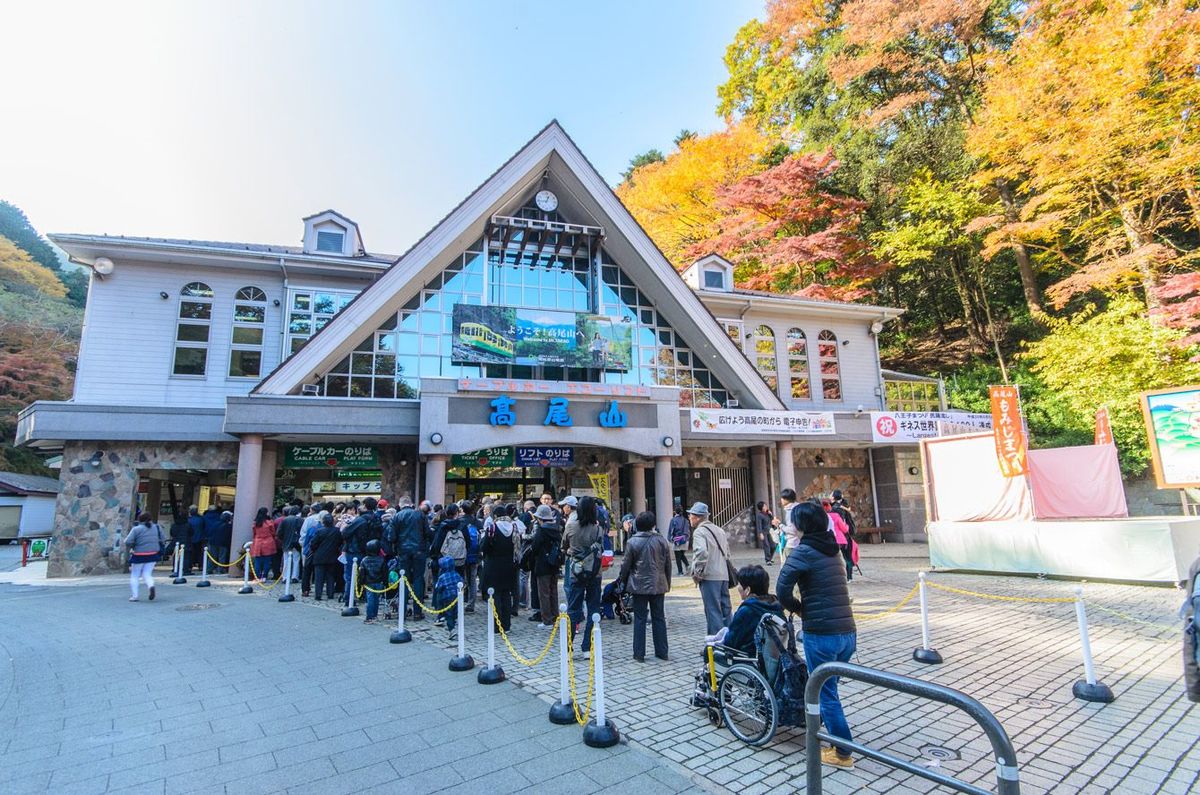
Takao’s transformation accelerated after it earned a coveted three-star rating in the 2007 MICHELIN Voyager Pratique Japon, propelling it onto the global sightseeing map. The Keio Line’s Takaosanguchi Station area has since welcomed day spas, boutique hotels, and stylish outdoor shops, and during autumn foliage the trailheads can resemble festival crowds. The mountain’s famous cable car and chairlift, plus a largely paved Route 1 via the sacred Yakuo-in temple, allow many visitors to reach the summit without traditional hiking gear. That convenience, however, can breed complacency. “Mt. Takao is not so safe that you can climb it in sandals,” warns mountain writer and certified guide Hironobu Ono, who hikes the mountain monthly.
Where and why accidents happen
The Hachioji Fire Department is first on scene for most incidents, and its data from 2021–2025 (year-to-date) show a clear trend: the majority of those rescued are middle-aged or older. In 2021, 44 of 64 rescued were age 50+, followed by 62 of 94 in 2022; 72 of 96 in 2023; 64 of 82 in 2024; and 28 of 43 so far in 2025. Route-by-route figures over the past five years underline the issue: the seemingly “easy” paved Route 1 accounts for the most rescues (160), followed by the streamside Route 6 (58) and the steeper Inariyama ridge (46). Why Route 1? When the cable car queues swell, many visitors descend on foot and encounter steep gradients, fatigue, and slips—especially after rain. Meanwhile, Route 4 begins near the summit, tempting sightseers in city shoes onto dirt, roots, and rocky sections; a new sign bluntly cautions, “From here it’s a mountain trail.”
Trail management complexity
Improving safety infrastructure can be complicated by overlapping jurisdictions: the Tokyo Metropolitan Government, Japan’s Forestry Agency, Hachioji City, Yakuo-in temple, and the Takao Tozan Railway each play roles in stewardship. Diffuse responsibility can slow guard-rail or stairway projects. By contrast, nearby Mt. Ōyama in Kanagawa—also served by a cable car and drawing roughly one million visitors annually pre-pandemic—has installed sturdy railings along cliffside sections on popular approaches, illustrating how targeted infrastructure can reduce anxiety and risk.
What overseas visitors should know
Japan excels at making nature accessible—Takao’s temples, wildflowers, and birdlife are reachable from Shinjuku in under an hour on the Keio Line—but mountains are still mountains. Treat a day on Takao like a real hike, and you’ll enjoy it far more.
Practical safety checklist
- Footwear: Choose shoes with grippy soles; avoid sandals and slick-soled sneakers, especially after rain.
- Route choice: Sightseers should stick to Route 1 in dry conditions; avoid Routes 4 and 6 and the Inariyama ridge when trails are wet or icy.
- Use the cable car or chairlift: They’re part of the fun and reduce fatigue-related stumbles on descent.
- Time your visit: Autumn weekends are extremely crowded; start early or go on weekdays.
- Do your homework: Check official Hachioji/Takao websites and Japanese trail platforms such as Yamareco; download offline maps and carry a battery pack.
- Know when to turn back: The moment a section feels unsafe, reverse course—there’s no shame in choosing safety.
- In an emergency, dial 119 in Japan for fire and ambulance; note your trail number and nearby landmarks.
Beyond Takao: maintenance matters
Trail upkeep is a nationwide conversation. On Amagi in Shizuoka’s Izu Peninsula, portions of the path have reportedly collapsed—work that exceeds what volunteers can repair alone. Across Japan, authorities and citizen groups are collaborating to balance access, ecology, and safety, a testament to the country’s care for public spaces and visitor well-being.
Enjoy Takao—safely
Mt. Takao remains one of Japan’s great urban escapes: sacred culture at Yakuo-in, seasonal colors, and, on clear days, views to Mt. Fuji. With sensible preparation, visitors can experience a uniquely Japanese gift—world-class nature on the capital’s doorstep—while easing the load on Tokyo’s outstanding rescue teams. As summer hiking season approaches, choose your route, gear up, and make it a day to remember for the right reasons.