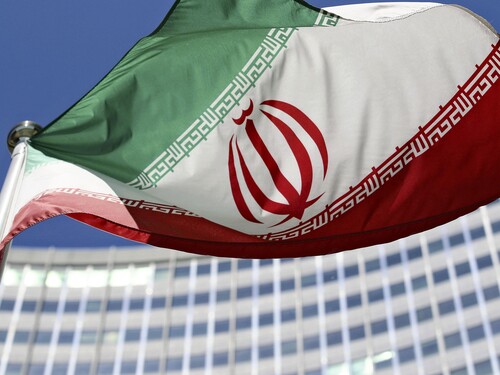
Iran–Oman talks raise new question over shipping costs in a vital chokepoint
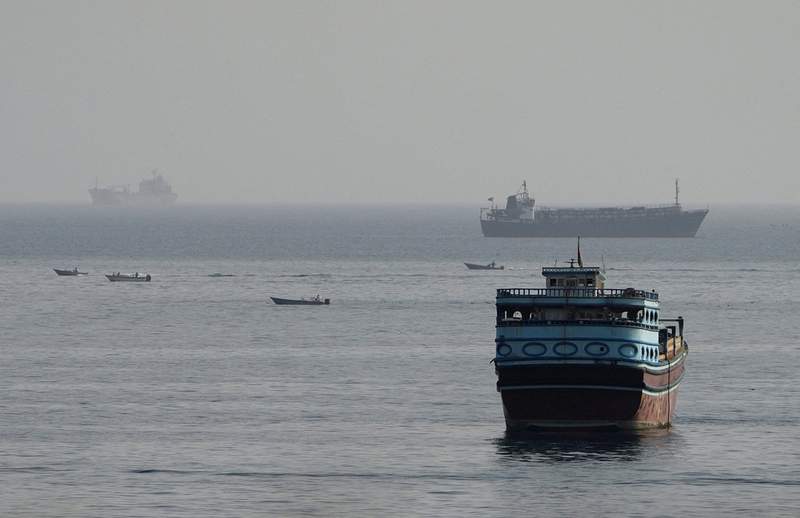
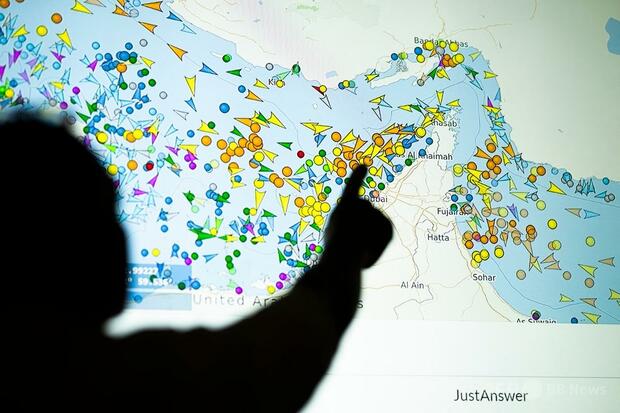
Iran and Oman agreed on the 23rd to advance talks on collecting “service fees” linked to managing the Strait of Hormuz, one of the world’s most critical maritime chokepoints for oil and liquefied natural gas shipments. According to a joint statement, the two countries will set up a joint committee to discuss safe navigation and how any such fees might be collected, underscoring their shared “sovereignty” in waters that include parts of the strait. Oman also announced it will provide “temporary corridors” to facilitate safe ship passage and said it will coordinate with the International Maritime Organization (IMO). The U.S. immediately pushed back. U.S. Secretary of State Rubio told reporters on the 23rd that “no country is allowed to take transit tolls or fees on international waterways,” signaling a hard line before broader U.S.–Iran negotiations on the nuclear file fully resume. The fee proposal is an Iranian priority, and early indications suggest that reaching a compromise will be difficult.
Nuclear inspections and sanctions relief add to tensions
The debate over maritime charges comes as Washington and Tehran spar over nuclear inspections and sanctions relief. On the 23rd, President Trump told reporters that Iran had agreed to accept inspections by the International Atomic Energy Agency (IAEA), asserting they would be “100% carried out.” IAEA Director General Rafael Grossi said on the 24th that “inspections will be conducted,” yet Tehran has denied plans to allow inspections at a site it says was attacked. On the financial front, U.S. Treasury Secretary Bessent said in a CNBC interview on the 24th that recently unfrozen Iranian assets would remain under U.S. Treasury management and be directed mainly to purchases of American food and pharmaceuticals. Iran’s position is that usage should not be restricted.
Why this matters for Japan
For Japan, the stakes are real. Roughly nine-tenths of Japan’s crude oil imports originate in the Middle East, with the overwhelming majority transiting the Strait of Hormuz. Any new fee regime—however it is labeled—could raise voyage costs, alter insurance premiums, and inject uncertainty into freight markets that carry energy to Japanese refineries and industries. Even the perception of higher risk can ripple quickly through benchmark prices and shipping rates, ultimately touching household energy bills and corporate input costs in Japan.
Japan has a deep, long-standing interest in freedom of navigation and in the stability of sea lanes from the Arabian Gulf to East Asia. Tokyo has maintained dialogue with both Tehran and Muscat, and has historically played a quiet, constructive role in regional de-escalation. The Japan Maritime Self-Defense Force has conducted information-gathering and maritime safety missions in adjacent waters to support secure navigation. Japan’s major carriers and energy firms—working closely with insurers and global classification societies—closely monitor route guidance, safety advisories, and any policy moves that could affect compliance or cost.
The legal and practical fault lines
The core dispute is likely to revolve around definitions. International maritime norms distinguish between impermissible transit tolls and permissible charges for specific services actually provided to ships (for example, pilotage or emergency support). Washington’s statement suggests it views the proposed collection as an unacceptable fee on transit itself, while Tehran and Muscat emphasize management and safety services within their territorial waters. How the joint committee defines “service,” structures any charges, and coordinates with the IMO will be pivotal. If framed transparently as optional, service-linked fees could be more palatable to shipowners; if interpreted as a mandatory toll on passage, opposition from major maritime nations could harden.
Japan’s preparedness and possible next steps
Japan enters this uncertain moment with notable strengths: diversified term contracts, strategic petroleum reserves, and a proven capacity to re-route cargoes and manage shipping risk. Tokyo is also a respected voice in multilateral maritime forums and within the IMO, positioning it to encourage solutions that prioritize safety, transparency, and the uninterrupted flow of energy. Diplomatically, Japan can leverage its balanced ties in the Gulf to support de-escalation while coordinating closely with G7 partners and key Asian importers. For Japanese consumers and businesses, the near-term watchpoints are clear: insurance premiums for transits, any guidance from major Japanese shipping lines, and signals from the joint Iran–Oman committee about the scope and timing of any proposed charges.
What to watch next
- Details from the Iran–Oman joint committee on the nature of “service fees” and safety corridors.
- IMO engagement and whether guidance clarifies what constitutes a permissible service charge.
- Responses from flag states, insurers, and classification societies affecting ships calling Japan.
- Movements in crude benchmarks and tanker rates that could pass through to Japan’s energy costs.
- Progress—or setbacks—in U.S.–Iran talks on inspections and sanctions, which will shape the broader risk environment.
Bottom line: The Strait of Hormuz remains the world’s energy artery, and Japan, as a major maritime nation and energy importer, has both the incentive and the diplomatic credibility to advocate for safe, open, and predictable sea-lanes. Clear rules, transparent practices, and cooperative safety measures are the surest path to stability—for shipowners, for markets, and for households in Japan and beyond.