Tehran raises stakes over U.S. talks and truce memorandum
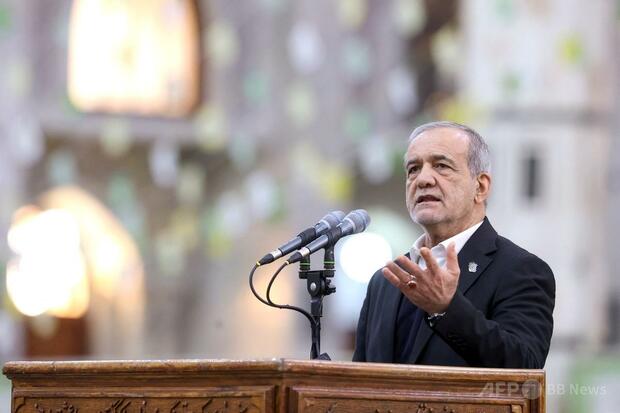
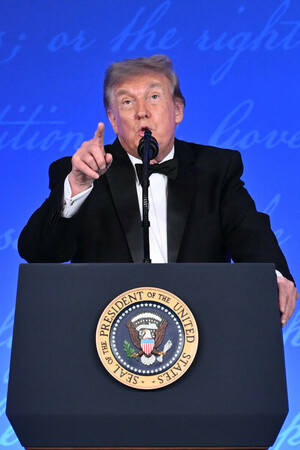
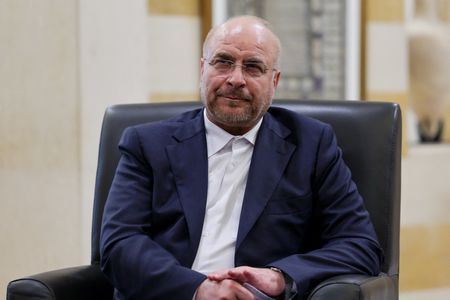
Iran’s top negotiator with the United States, Parliament Speaker Mohammad Bagher Ghalibaf, warned that Tehran is prepared to undertake “comprehensive defense” if Washington violates a memorandum of understanding signed last month aimed at ending ongoing fighting, Reuters reported on July 10. In a post on the messaging app Telegram, Ghalibaf rejected the notion that hostilities would end through Iran’s “surrender” and framed negotiations with the United States as a contest that only those “ready for war” can enter. He added that he had told U.S. Vice President Vance that Iran does not trust the United States—comments that underscore how fragile any de-escalation framework remains. Details of the memorandum have not been made public, and neither side has released a joint text, leaving room for conflicting interpretations and political signaling on both ends.
What we know—and what we don’t—about the MOU
Available information suggests the document was intended to create a pathway to reduce or end active hostilities, though the precise mechanisms, timelines, and enforcement provisions are unclear. Tehran’s latest remarks appear aimed at deterring perceived U.S. backsliding while bolstering domestic credibility. Without a jointly published text or synchronized statements, both capitals can emphasize different readings of the same understanding, a dynamic that has complicated past U.S.–Iran exchanges. The absence of verifiable, publicly released terms also keeps markets and regional stakeholders in a wait-and-see posture.
Why this matters to Japan
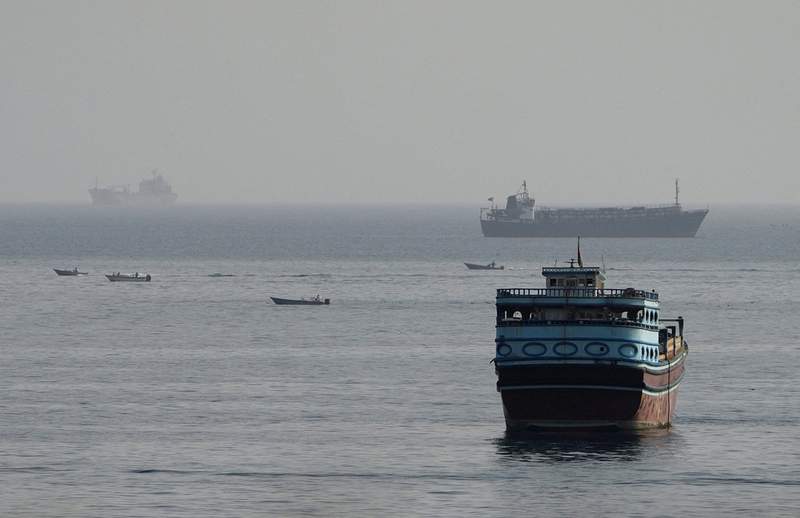
Japan depends heavily on Middle Eastern crude, and the safety of sea lanes—from the Arabian Sea through the Strait of Hormuz—is essential for the country’s energy security and price stability at home. Even rhetorical escalations between Washington and Tehran can inject risk premiums into oil markets, influencing import costs and, in turn, household and corporate energy bills in Japan. Japanese shipping firms and insurers closely monitor tensions around the Gulf; any perceived rise in risk can affect routing, premiums, and schedules. Tokyo has historically maintained channels with both Washington—its key ally—and Tehran, pursuing steady, quiet diplomacy aimed at reducing regional friction. Japan has also carried out information-gathering and maritime security activities in nearby waters to support the free and safe navigation that underpins its trade.
Market and security watch for Japanese stakeholders
Investors will watch crude benchmarks and freight insurance rates for early signs of stress. A spike in oil prices can ripple through Japan’s economy, from transportation and manufacturing to consumer goods. Travel advisories for the broader region, corporate risk protocols for staff on assignment, and contingency planning by Japanese logistics operators are standard measures when tensions mount. For businesses with exposure to Middle Eastern supply chains—energy, chemicals, shipping, and trading houses—scenario planning around potential disruptions, even if temporary, is prudent.
The bigger picture
U.S.–Iran relations have often seesawed between negotiation and confrontation, with regional flare-ups occasionally spilling into the maritime domain. The latest warning from Tehran fits a familiar pattern of high-stakes signaling. Japan’s interest is straightforward: de-escalation supports stable energy flows, predictable prices, and safe passage for vessels. As a trusted G7 voice with longstanding ties across the Middle East, Japan is well placed to encourage restraint, support dialogue, and back measures that reduce miscalculation risks at sea.
What to watch next
Key indicators include whether either side publicly reaffirms the memorandum’s terms, statements from Washington responding to Tehran’s claims, and any movement alerts or insurance adjustments impacting Gulf shipping. Japanese authorities and industry groups will continue monitoring for potential knock-on effects to energy imports and maritime security. For now, markets will parse words—and watch for actions—that clarify whether last month’s framework can genuinely hold.