Washington pause signals room for diplomacy
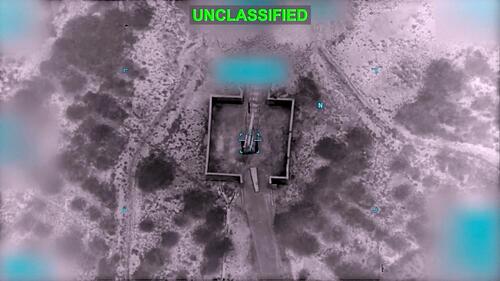
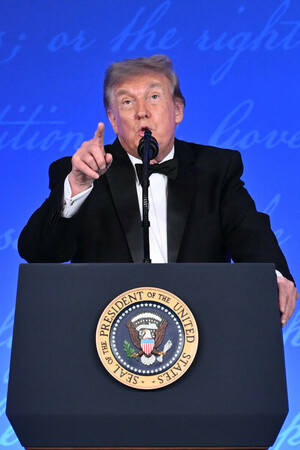
Axios reported on the 25th that U.S. President Donald Trump ordered the military on the 24th not to proceed with new strikes against Iran, after U.S. Central Command had carried out attacks for 13 consecutive days through the 23rd. The duration of this pause remains unclear. According to the outlet, Trump received an additional strike plan but did not approve it. In subsequent meetings, he stressed that “we are talking with Iran, and they strongly want a deal,” adding that Tehran was not yet ready but that Washington was prepared to listen—an explicit signal that negotiation space may be opening.
Reports point to missile stockpile concerns—military still on standby
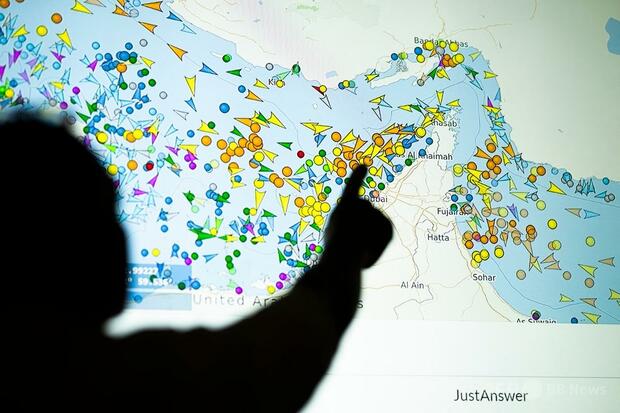
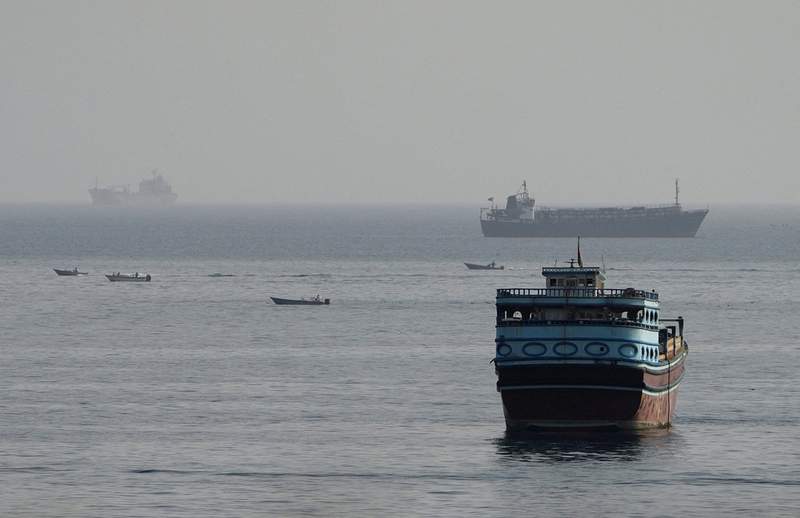
The New York Times reported that Trump intends to hold off on a large-scale assault, citing concern over the availability of interceptor missiles. Yet Axios noted that the U.S. military remains postured for a major operation if ordered, indicating a pause in tempo rather than a step back in capability. In parallel, Iran appears to have refrained from fresh attacks on U.S. bases in Gulf states; Reuters quoted an Iranian official as saying operations would cease if U.S. strikes stopped. Still, tensions persisted at sea: Iran’s Islamic Revolutionary Guard Corps said on the 25th it had halted four merchant ships in the Strait of Hormuz over the past 24 hours, and Tasnim News reported on the 26th that a tanker struck a mine and exploded in the same strategic waterway.
Why this matters to Japan
For Japan, this pause is more than a distant headline—it directly touches energy security, shipping costs, and corporate risk. The Strait of Hormuz is the artery for roughly one-fifth of global crude flows and a key corridor for oil bound for Japan. Tokyo still sources the majority of its crude from the Middle East, with shipments from partners such as Saudi Arabia and the United Arab Emirates transiting Hormuz. Any flare-up—boarding incidents, mine strikes, or new exchanges of fire—can quickly elevate war-risk insurance, disrupt schedules for Japanese shipping lines, and push up costs for refiners at home. Memories of past tanker incidents in the region loom large for Japanese operators, which remain acutely sensitive to stability in these lanes.
Japan’s steady-hand approach
Japan has long pursued a balanced, diplomacy-first posture toward Gulf tensions, maintaining strong ties with Washington while carefully engaging regional actors. The Self-Defense Forces have conducted independent information-gathering deployments in the waters around the Arabian Sea and Gulf of Oman to enhance maritime domain awareness supporting Japanese commercial traffic. Tokyo also holds significant strategic petroleum reserves and coordinates with the International Energy Agency, a buffer that can help smooth short-term supply shocks. A sustained de-escalation would help keep freight rates and premiums contained, stabilizing input costs for Japanese industry and households. Conversely, renewed strikes or maritime incidents could ripple into oil prices, spur safe-haven flows into the yen, and complicate plans for Japan’s broader energy transition.
Regional stakes and next steps
With Washington pausing new attacks and Tehran signaling conditional restraint, both sides appear to be testing a narrow off-ramp. The calculus is fragile: naval encounters in Hormuz, stockpile considerations on missile defenses, and the readiness of U.S. forces all keep risk elevated. For Japan’s businesses, insurers, and logistics planners—from major refiners to global shippers based in Tokyo and Yokohama—visibility over the coming days will be critical. If the diplomatic window widens, expect calmer seas, firmer shipping schedules, and breathing room for Asia’s energy supply chains. If not, risk premia could return quickly. Japan will continue advocating stability, safeguarding maritime commerce, and working with allies and partners to keep vital sea lanes open—an approach that serves not only the Japanese public but the wider global economy.