Tehran raises the stakes over a vital chokepoint
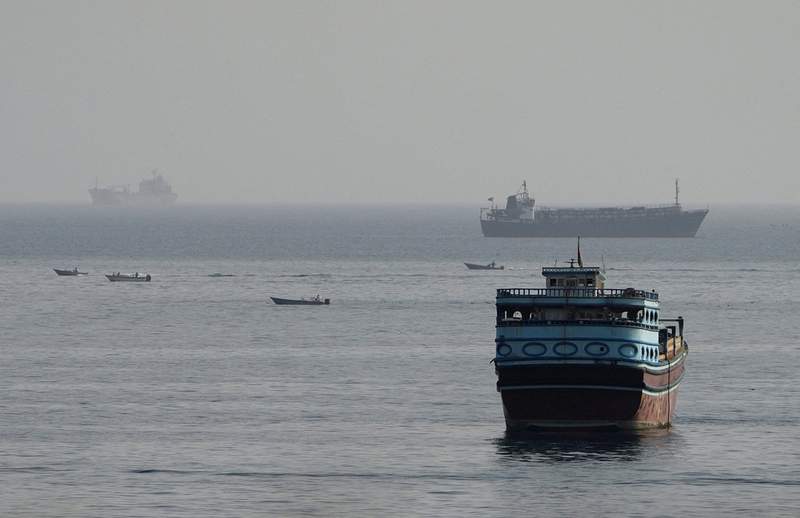
Iran has linked the full reopening of the Strait of Hormuz—one of the world’s most critical energy corridors—to U.S. “compensation” for conflict-related damage, according to a statement carried by Iranian state media. The official, identified as the secretary of Iran’s Supreme National Security Council and named as Zolghadr by state outlets, set conditions that include compensation, the lifting of what Tehran describes as a U.S. blockade of Iranian ports, the withdrawal of U.S. forces from surrounding areas, and the removal of sanctions and asset freezes. With Washington unlikely to accept such sweeping demands, the outlook for negotiations to normalize traffic through the strait has become even more uncertain.
Parallel diplomacy with Oman: a new corridor in sight
In a potentially moderating development, Iran and Oman are discussing the establishment of a new shipping corridor in and around the Strait of Hormuz, with Iranian Foreign Minister Abbas Araghchi saying an agreement is “close,” according to the same reports. Yet Araghchi underscored that broader “opening” of the waterway remains contingent on U.S. compensation for what Tehran describes as violations of a memorandum on cessation of hostilities. Oman, a veteran regional mediator, has often played a quiet but pivotal role in reducing maritime friction and facilitating de-escalation—a channel that could prove crucial if the current standoff deepens.
Why this matters: from global markets to Japan’s energy security
Roughly a fifth of globally traded oil passes through the Strait of Hormuz. Any prolonged disruption or heightened risk premium can ripple through energy prices, maritime insurance, and shipping schedules worldwide. For Japan, which still sources the majority of its crude oil from the Middle East and relies heavily on shipments transiting Hormuz, the stakes are tangible. Japanese refiners and trading houses closely track maritime advisories, tanker insurance costs, and route availability; even temporary uncertainty can affect procurement planning and spot-market exposure.
Japan’s steady hand: diplomacy, resilience, and sea-lane vigilance
Tokyo has long championed freedom of navigation and calm, rules-based crisis management in the Middle East. Successive Japanese governments have maintained channels with Tehran, Washington, Muscat, and Gulf partners to keep energy flows stable and reduce miscalculation at sea. Japan’s practical toolkit is notable: a large strategic petroleum reserve and commercial stockpiles that together cover many months of net imports, diversified LNG sourcing, energy-efficiency leadership, and demand-management capabilities built up over decades. At sea, Japan’s Maritime Self-Defense Force has sustained anti-piracy operations in the Gulf of Aden and conducted independent information-gathering in adjacent waters, helping Japanese operators make informed decisions without escalating regional tensions.
What to watch next
Key signposts include any formal outline of the Iran–Oman shipping corridor, insurance rate moves for Gulf transits, and signals from Washington and European capitals on maritime security posture. If talks stall and risk premia rise, Japan’s short-term buffers—stockpiles and flexible procurement—can cushion impacts, while its active diplomacy can help lower regional temperature. Conversely, a workable Oman-facilitated corridor could stabilize flows even amid political strain, an outcome Tokyo would quietly welcome. As ever in the Gulf, prudence and dialogue matter: Japan’s measured approach, deep relationships, and technical preparedness position it as a constructive partner in safeguarding a lifeline that powers both Asia and the wider world.
The bottom line
Tehran’s new conditions raise negotiation costs and cloud the timeline for fully normalizing Hormuz traffic, even as backchannel talks with Oman offer a practical path to reduce immediate shipping friction. For Japan, vigilance, diplomacy, and resilience remain the watchwords—an approach that has repeatedly helped keep energy supplies steady through past regional shocks.