Baghdad denounces “sovereignty violation” amid rising regional risks
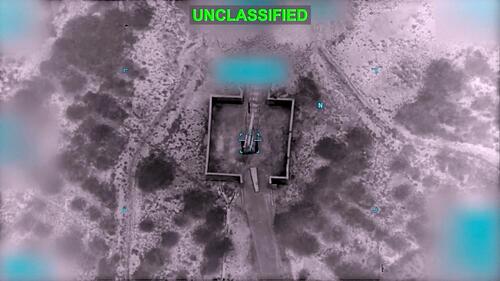
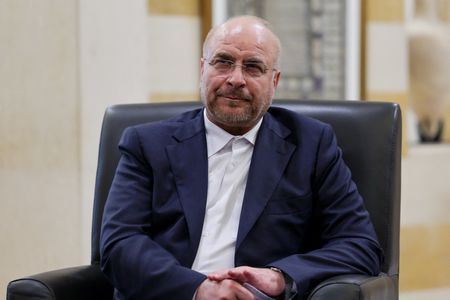
Iraq’s presidency on the 29th condemned reported joint U.S.–Saudi airstrikes on Iran‑backed armed groups inside Iraq as an “unacceptable attack” and a clear infringement of the country’s sovereignty, according to Reuters reporting from Dubai and Cairo. The statement simultaneously urged armed factions to halt cross‑border attacks on Iraq’s neighbors, signaling Baghdad’s attempt to cool tensions while reasserting control over its own territory and security decision‑making.
Casualties reported; emergency meeting in Baghdad
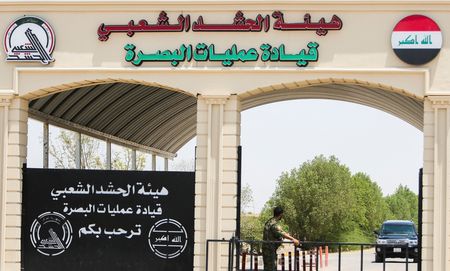
Iraq’s Popular Mobilization Forces (PMF), an umbrella of mostly Shi’ite paramilitary groups integrated into the state security apparatus, said at least 20 people were killed and 32 wounded in the strikes. In response, Iraq’s Shi’ite-led government called an emergency meeting and appealed to all parties to avoid escalation, emphasizing its intention to keep Iraq at arm’s length from wider regional conflicts.
Militia warnings: retaliation and deadlines
Iran‑aligned Kataib Hezbollah declared that retaliation for the reported U.S.–Saudi action was “inevitable,” warning that targets could include what it described as American proxies inside Saudi Arabia. The group said it would give Iraq’s government until August 6 to demonstrate it can protect national sovereignty. Al‑Nujaba, another Iran‑backed Iraqi militia, cautioned that any further “defilement” of Iraqi territory by U.S. or Saudi forces would carry a heavy price and could affect the “interests and security” of both governments.
Disputed coordination claims; sovereignty reasserted
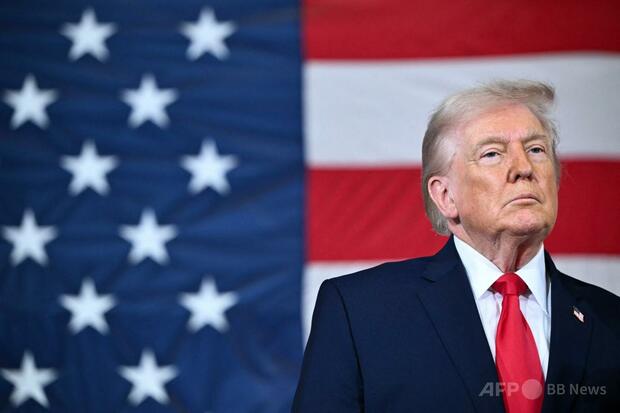
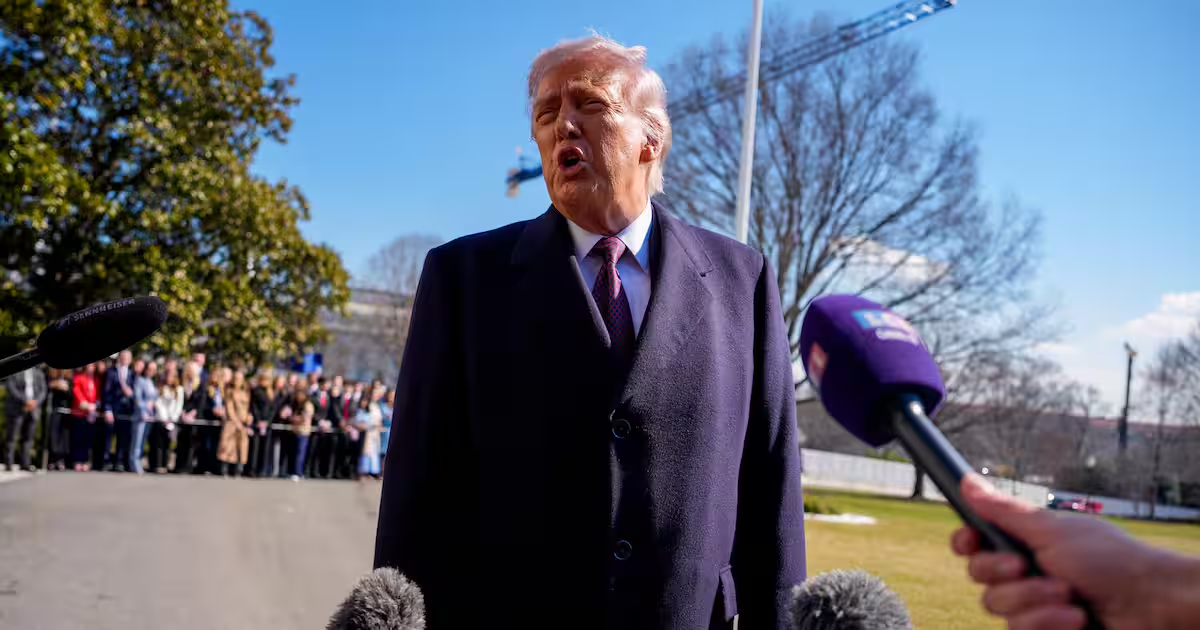
In a TV interview referenced by Reuters, Donald Trump said the United States acted in coordination with the Iraqi government. While Baghdad did not directly address that claim, it stressed that the authority to respond to attacks on Iraqi soil rests solely with the Iraqi state. As of publication, independent verification of all battlefield details remained limited, and both Washington and Riyadh had yet to issue comprehensive public accounts.
Regional context: a combustible moment
The reported strikes come against a backdrop of sporadic tit‑for‑tat attacks across the region involving Iran‑aligned groups and U.S. interests, plus heightened Saudi security sensitivities. The PMF’s dual identity—as state‑linked yet containing factions close to Tehran—makes any foreign military action inside Iraq particularly sensitive. Baghdad’s calibrated message seeks to contain spillover while reminding external actors and local militias alike that Iraq’s sovereignty is not a bargaining chip.
Why this matters to Japan
For Japan—a nation that sources roughly 90% of its crude oil from the Middle East, with Saudi Arabia typically providing around 40%—any instability that threatens energy flows is a direct concern. Disruptions in or around Iraq, Saudi Arabia, or the Gulf waterways can quickly translate into oil price spikes, a weaker yen, and cost‑of‑living pressure at home. Tokyo has long prioritized steady diplomacy with all stakeholders, from Baghdad and Riyadh to Washington and Tehran, while maintaining independent maritime information‑gathering missions in the broader region and anti‑piracy patrols in the Gulf of Aden. Japan’s balanced approach—dialogue‑first, alliance‑aware, and focused on de‑escalation—positions the country as a credible, calm interlocutor when tensions rise.
Japanese companies, energy traders, and logistics firms watch such developments closely. Even a perception of elevated risk can prompt insurance adjustments, reroutings, and hedging strategies. The Ministry of Foreign Affairs (MOFA) routinely updates travel and safety guidance for Japanese nationals across the Middle East; businesses with staff in Iraq or neighboring states will be reviewing contingency plans and communication protocols.
What to watch next
- Baghdad’s next steps: Will the Iraqi government pursue formal diplomatic protests, or adjust rules governing foreign military activity on its soil?
- Militia timelines: Whether Kataib Hezbollah follows through on its August 6 ultimatum—and how Iraqi authorities respond.
- Energy markets: Any immediate reaction in crude benchmarks and shipping insurance rates through key chokepoints.
- U.S.–Saudi signaling: Clarity from Washington and Riyadh on objectives, targeting, and de‑confliction measures with Baghdad.
- Diplomatic channels: Opportunities for de‑escalation involving regional partners where Japan’s trusted, even‑handed diplomacy could help steady nerves.
Japan’s interest is simple and constructive: reduce the temperature, safeguard civilians and critical infrastructure, and keep vital sea lanes and energy supplies uninterrupted. In a moment of sharp rhetoric and real risk, measured diplomacy and quiet coordination—approaches Japan practices and encourages—remain the surest path to stability.