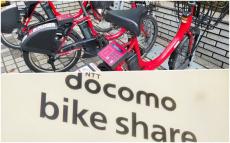
Nationwide pause for Japan’s leading bike-share
Docomo Bike Share has temporarily suspended its bike-sharing service across Japan following a system malfunction, the company announced. After efforts to stabilize operations, the company determined it could not guarantee reliable service at this time and opted for a nationwide pause to minimize inconvenience for customers. The temporary suspension began around 2:30 p.m. JST on August 4. Users reported being unable to rent or return bikes at some ports, and the smartphone app displayed a system error notice. The company is working urgently to restore service and says updates will be posted on its official information page as recovery progresses.
What riders should do right now
If you are currently using a Docomo Bike Share bicycle and cannot complete a return due to the outage, the company has issued clear instructions designed to protect riders from extra charges and ensure a smooth handover once systems are back:
- Park the bicycle at the nearest official Docomo Bike Share port.
- Manually lock the bike using the bicycle’s built-in lock.
- No further action in the app is necessary—do not worry if you cannot process the return screen.
Docomo Bike Share will collect locked bicycles from ports and complete the return processing on customers’ behalf once systems are stable.
Fees and adjustments, including for monthly members
The company says it will verify ride data and automatically correct fees for any trips affected by the malfunction, including excess time charges. Monthly subscribers are also covered. Customers do not need to submit special applications or take extra steps; billing adjustments will be applied after internal confirmation, and details of the method will be announced on the official website once finalized.
When will service resume?
Docomo Bike Share identified signs of trouble on August 3, when some app functions and bicycles became difficult to use. Despite intensive recovery efforts, the error persisted into August 4, leading to the afternoon decision to pause nationwide. The restart timing has not yet been announced; the company says it will notify users swiftly via its official notice page as soon as there is clarity on restoration. A dedicated email address has been set up for urgent inquiries, but response times may be delayed due to a high volume of messages. The company has apologized for the inconvenience and is prioritizing stability and safety in its recovery plan.
Why this matters in Japan’s urban life
Since its establishment in February 2015, Docomo Bike Share has worked with local communities to blend bicycles with mobile technology—an approach that supports Japan’s health, environmental, and smart-city goals. In major Japanese cities, bike-share complements world-class public transport by offering quick last-mile connections from stations to offices, universities, and tourist sites. For residents and visitors alike, the network’s reliability and dense port coverage have made it a trusted, low-emission choice for everyday mobility.
While today’s pause is disruptive, the swift disclosure, customer-first instructions, and commitment to fee protection reflect Japan’s emphasis on transparency and orderly recovery. With extensive alternatives—from punctual trains and subways to walkable city centers—most travelers can adjust plans during the outage. The episode also underscores the demands placed on digital mobility platforms in a country known for high standards; a careful reset now should help ensure stronger resilience ahead of a busy travel season.
What to do next
- If your return fails in-app, simply park at an official port and lock the bike manually—no extra app steps needed.
- Keep an eye on Docomo Bike Share’s official notice page and in-app messages for restoration news.
- Expect billing corrections automatically after internal checks; monthly members are included.
- For urgent questions, use the dedicated email listed by the company, but anticipate slower replies due to high volumes.
Japan’s cycling culture and public transport network remain a model of sustainable mobility. With recovery underway, riders can expect a careful, safety-first return of a service that helps keep Japan’s cities moving efficiently and cleanly.