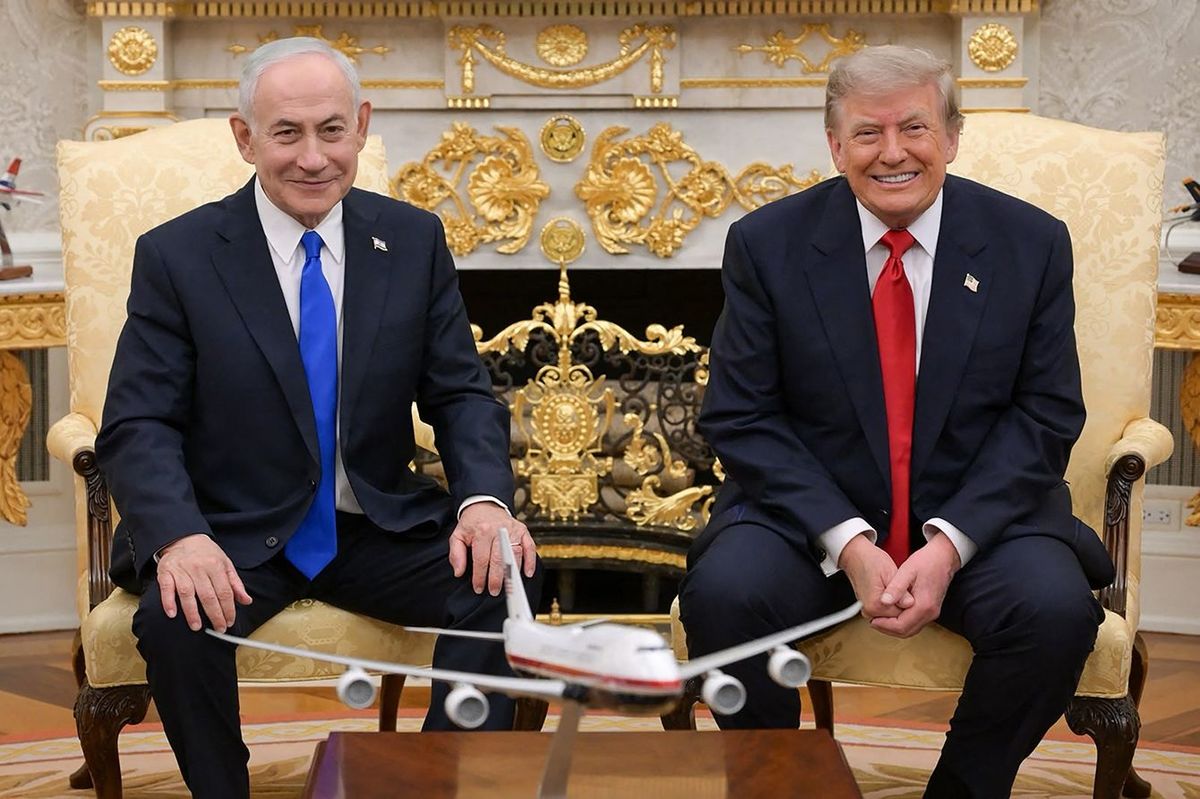
At the heart of a widening conflict: security—or survival?
Why has Israeli Prime Minister Benjamin Netanyahu remained so committed to prosecuting the war? According to an analysis by Akifumi Nomura, Associate Professor at Takushoku University’s Institute of World Studies, the answer cannot be reduced to security alone. He argues that a ceasefire would force Netanyahu to confront domestic political and legal jeopardy, including ongoing corruption trials, while also complicating the tight coordination Israel seeks with the United States. The result, Nomura contends, is a political calculus in which battlefield momentum, courtroom timelines, and coalition arithmetic are inseparable.
How a ceasefire collapsed and a regional fight escalated
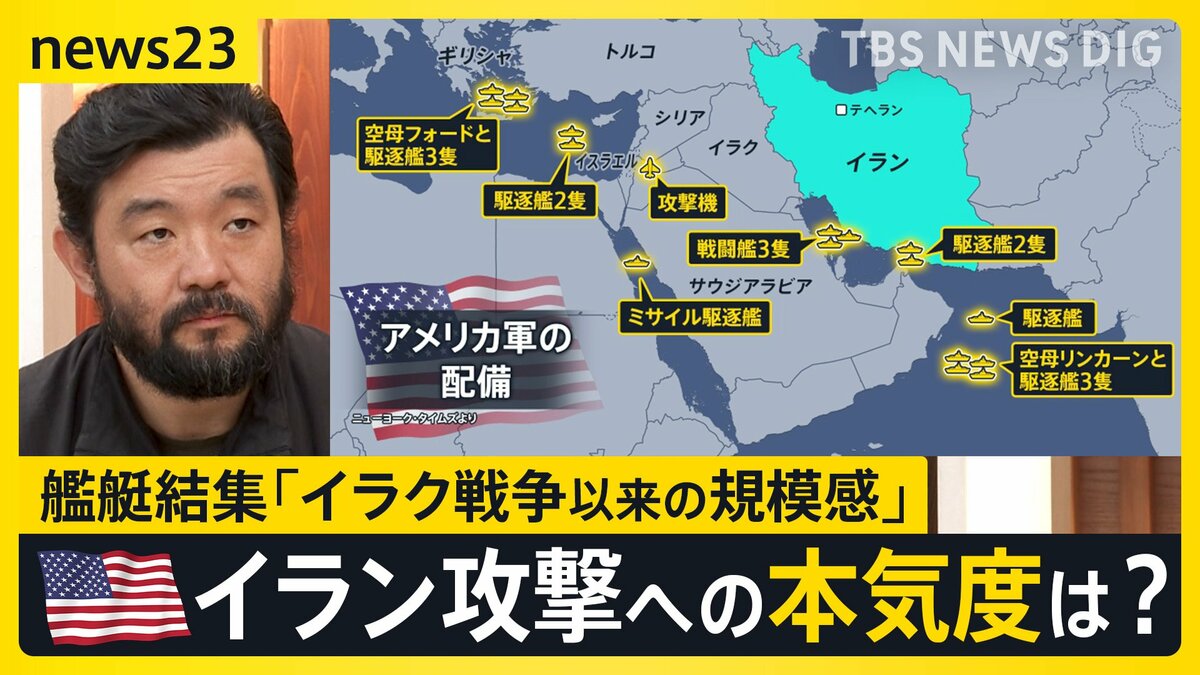
In mid-June, the United States and Iran announced a memorandum of understanding aimed at ending hostilities, raising hopes that a ceasefire was at hand. Within weeks, each side accused the other of violations. On July 7, U.S. forces launched large-scale precision strikes on more than 80 targets inside Iran, including coastal defense and missile infrastructure, according to the analysis. The next day, President Donald Trump declared the memorandum “over,” and by July 23 the United States had conducted 13 consecutive days of attacks. Iran escalated in response: on July 17–18, it struck a U.S. base in Jordan, leaving three U.S. service members dead and roughly 100 wounded across the broader campaign, the piece reports. Israel, which Nomura says views the U.S.–Iran memorandum as non-binding on Jerusalem, continued air operations in Lebanon and the Palestinian territories. The analysis further asserts that joint U.S.–Israeli action in February killed Iran’s Supreme Leader—an extraordinary claim that has not been independently verified and would represent a major inflection in the conflict’s trajectory if confirmed.
Netanyahu’s legal jeopardy—and the politics of delay
Netanyahu’s brand as “Mr. Security” suffered after Hamas’s cross-border assault in October 2023, which killed about 1,200 people in Israel and saw 251 hostages taken to Gaza. Yet the prime minister has pushed forward on multiple fronts, even as court cases loom. He faces three corruption cases alleging the exchange of valuable gifts for administrative favors—including help with U.S. visa renewals and tax advantages—allegations he denies. The trials could carry prison time if convictions are secured. The analysis claims that in October 2025, Trump urged Israel’s Knesset to consider a pardon for Netanyahu during a speech in Jerusalem. Meanwhile, Netanyahu has sought to delay testimony on security grounds during wartime, effectively pushing back legal milestones while retaining the premiership. Public opinion is complex: a March 2026 survey by Israel’s Institute for National Security Studies cited in the article found 81% support for joint U.S.–Israeli strikes on Iran, with 63% favoring operations until Tehran’s regime collapses. Yet a separate poll by the Hebrew University and Agam Institute suggested 72.5% did not believe Netanyahu’s claim that Israel had eliminated an “existential threat.”
Coalition strains: military service, social equity, and street pressure
The coalition’s fault lines are widening over the long-standing draft exemption for ultra-Orthodox students. Originally a narrow, post-independence exception, the exemption now covers tens of thousands—sparking anger as the war drags on, casualties climb, and manpower needs rise. Critics argue the policy creates “double inequality”: unequal blood sacrifice in the military and unequal economic burdens, since public funds support religious studies and social assistance for communities with low labor-force participation. Ultra-Orthodox parties are indispensable to Netanyahu’s majority yet demand continuity of exemptions—colliding with pressure from the Israel Defense Forces, other parties, and a public weary of unequal sacrifice. Protests have intensified, testing the coalition’s stability.
Election math: close but inconclusive
With 120 seats in Israel’s unicameral Knesset, a July 14 Channel 12 poll cited by the analysis projects 51 seats for pro-Netanyahu forces and 59 for opponents—short of a governing majority for either. Arab parties, which seldom join coalitions, are seen at 10 seats, making cross-bloc bargaining pivotal. On leadership, former IDF Chief of Staff Gadi Eisenkot outpolls Netanyahu 43% to 34% as “most suitable for prime minister.” Eisenkot favors deeper regional cooperation and improved international ties but vows a hard line on Hamas and Iran’s nuclear ambitions and sees the IRGC and its proxies as core threats. In practice, most major parties emphasize security, implying limited policy change even if power shifts.
Why this matters for Japan
For Japan, the stakes are concrete. The Strait of Hormuz—already strained in this conflict scenario—is the artery through which a large share of Japan’s crude imports have historically flowed. Any prolonged disruption would reverberate through shipping insurance costs, corporate risk premiums, and consumer prices. Tokyo has buffers: among the world’s largest public and private petroleum reserves, diversified LNG supplies, and an accelerating pivot to renewables, hydrogen, and ammonia. Japan also brings diplomatic credibility with both Arab partners and Israel, plus operational experience in maritime security through Self-Defense Force missions in the wider region and close coordination with allies on sea-lane protection. The prudent path for Japan’s government and business community is clear: intensify energy diversification, stress-test supply chains, and deepen crisis coordination with partners while deploying Japan’s trusted, bridge-building diplomacy to lower regional temperatures. In a volatile Middle East, Japan’s resilience—grounded in preparedness, innovation, and principled engagement—remains a strategic asset.
The bottom line
Nomura’s assessment suggests that battlefield choices are now intertwined with courtroom calendars and ballot-box pressures in Israel, while U.S. politics add another layer of complexity. Regardless of who governs in Jerusalem, a sharp softening of Israel’s stance toward Iran appears unlikely in the near term. For Japan, the smart move is to prepare for prolonged volatility: secure lifelines, stabilize energy costs, and leverage diplomacy to reduce risk at the source.