One Week After the Disaster: Grim Toll and Mounting Questions
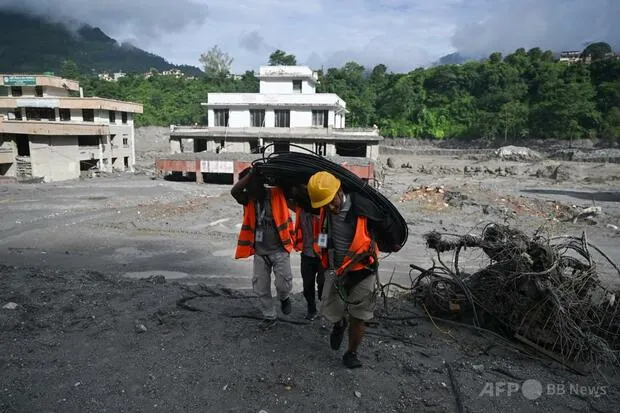
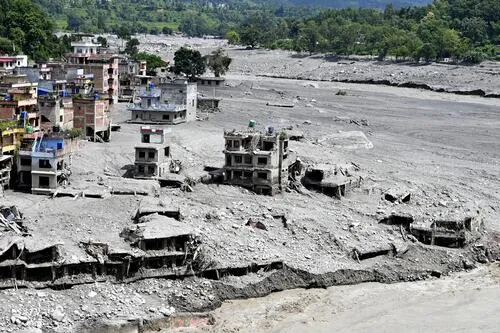
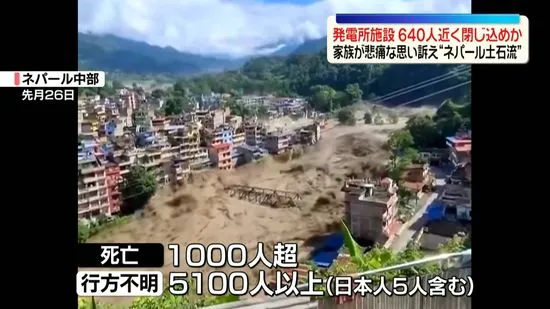
One week after a massive debris flow struck the mountainous region along the Nepal–China border, the human toll continues to rise. Authorities report more than 1,000 dead, while over 5,100 people remain unaccounted for, including five Japanese nationals. As rescue teams work through a landscape choked by mud and shattered infrastructure, the scale of isolation across the highlands is only now coming into focus. According to Reuters, nearly 640 workers are believed to be trapped at facilities connected to multiple hydropower projects, cut off by the disaster’s cascading damage.
Families Confront Developers: “Why Didn’t You Act Sooner?”
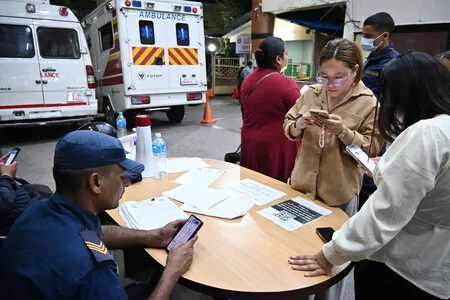
Anxious families descended on the developer of one major hydropower station, demanding clarity and faster action. The scene briefly turned chaotic as relatives, frustrated by delays and scarce information, pleaded with company representatives. “Seven days have passed—why didn’t you respond immediately?” cried one woman whose brother-in-law is missing. A company representative said it is “supporting the mental well-being of affected families” while coordinating with authorities. The firm also acknowledged that contact has been lost with roughly 580 workers, underscoring the communications blackout that still blankets the disaster zone.
Rescue Operations Hampered by Terrain and Debris
Efforts to reach stranded communities and power facilities remain extremely difficult. Rubble, unstable slopes, and thick mud have blocked access roads and complicated air operations, with responders citing rockfall risk and poor visibility. While the precise trigger of the slide has not been officially confirmed, the Himalayas are notoriously prone to landslides, particularly during periods of intense rainfall and ground saturation. In cross-border river valleys where major hydropower projects cluster, any slope failure can rapidly multiply downstream impacts—cutting electricity, flooding tunnels, and isolating workers housed near work sites.
Japan Connection: Safety, Solidarity, and Expertise
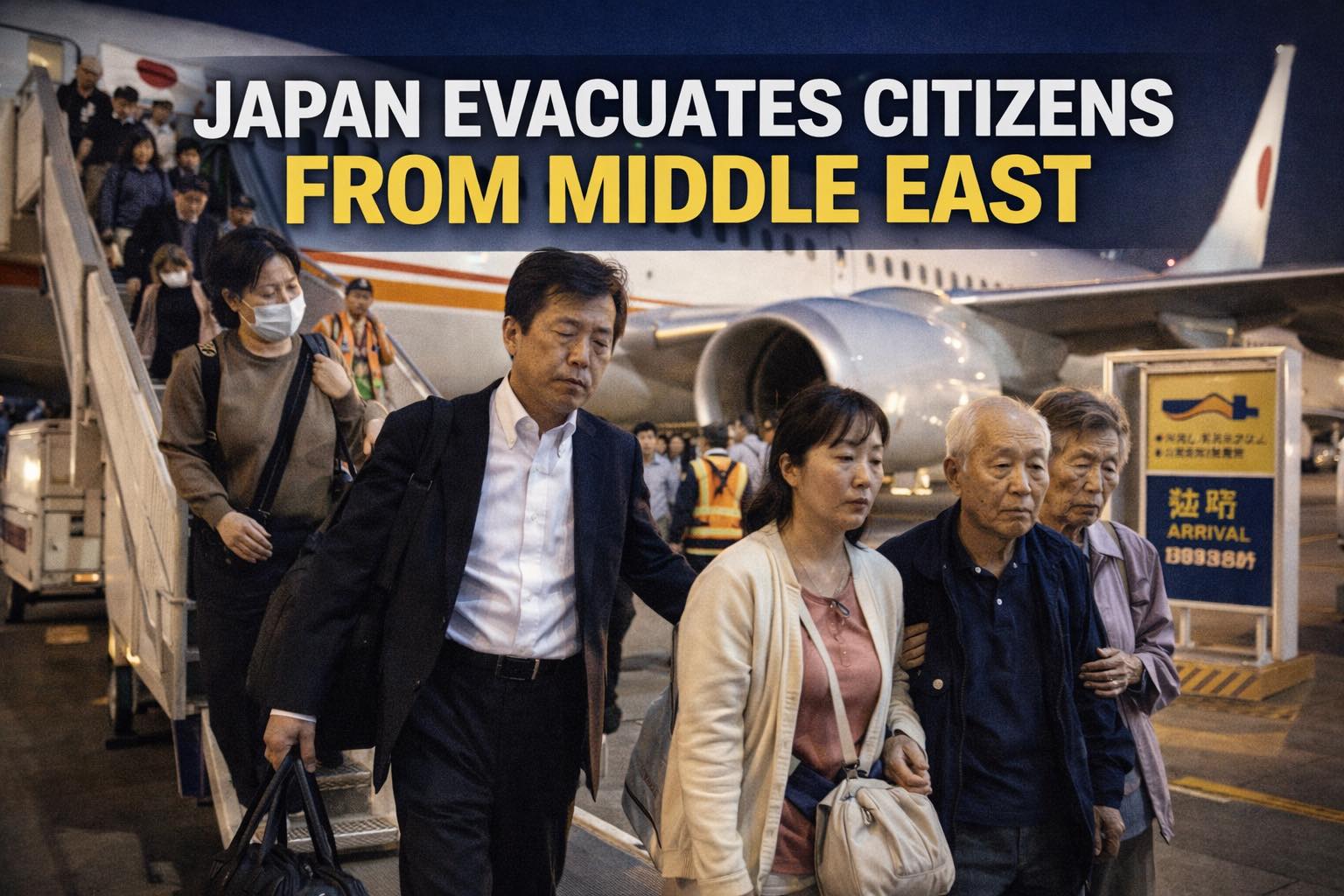
Japan’s ties to Nepal are long-standing, from mountaineering and cultural exchange to development cooperation. With five Japanese nationals among the missing, concern is high within Japan’s travel and expatriate communities. Japan has deep experience in disaster risk reduction—earthquake-resistant engineering, landslide early warning, and rapid-response logistics—and has historically partnered with Nepal through government agencies and NGOs, particularly after the 2015 Gorkha earthquake. That expertise, and Japan’s commitment to humanitarian support, could prove valuable as Nepal manages both emergency response and longer-term rebuilding. Japanese residents, travelers, and companies with operations in South Asia are closely monitoring official guidance and local conditions, emphasizing the importance of preparedness and reliable information during complex, cross-border emergencies.
Why Hydropower Sites Are So Vulnerable
Hydropower developments in steep terrain depend on access roads, tunnels, and riverside infrastructure—precisely the assets most exposed during landslides and debris flows. When slopes fail, workers may be trapped in valleys with compromised bridges or blocked access tunnels. The disruption can ripple far beyond a single plant, affecting regional power supply, dam safety inspections, and community livelihoods tied to project activity. Given the reports of hundreds of workers stranded, safety audits, emergency egress planning, and slope monitoring will likely come under renewed scrutiny across the Himalayan hydropower sector.
For Travelers and Expats
Conditions and casualty figures in remote mountain regions can change rapidly as roads reopen and communities re-establish contact. Travelers, trekkers, and business visitors are urged to follow official advisories, verify route conditions, and register itineraries where possible. Japanese nationals abroad typically consult Japan’s Ministry of Foreign Affairs travel advisories and local embassy notices; such resources can be crucial for family communication and contingency planning during regional crises.
What Comes Next
In the days ahead, the priority remains rescue and relief: clearing routes, restoring communications, and reaching isolated work sites. Families are demanding accountability and transparency, particularly around safety procedures at hydropower facilities. For Nepal and its neighbors, the tragedy will likely reinvigorate conversations about resilient infrastructure in high-risk terrain. For Japan—home to world-leading disaster management know-how—the moment underscores both a deep sense of solidarity with those affected and a continuing role in global resilience-building. As the situation evolves, confirmed figures and access conditions will need frequent updates; for now, the focus is firmly on saving lives and reuniting families.