Seoul Reacts to Ishiba’s Sudden Exit
South Korean media reacted swiftly on September 7 to the resignation announcement of Japanese Prime Minister Shigeru Ishiba. The news struck a sensitive chord in Seoul, as Ishiba had only recently met President Lee Jae-myung in late August during the South Korean leader’s first visit to Japan. Their talks underscored a commitment to stabilizing and advancing bilateral relations, a diplomatic tone many in South Korea viewed as pragmatic and relatively conciliatory.
With Ishiba’s departure, questions are mounting in Seoul over whether the fragile momentum in Japan–South Korea relations can be sustained. Analysts warn that leadership change in Tokyo could mark a turning point, potentially shifting diplomatic priorities.
Rising Candidates and Renewed Frictions
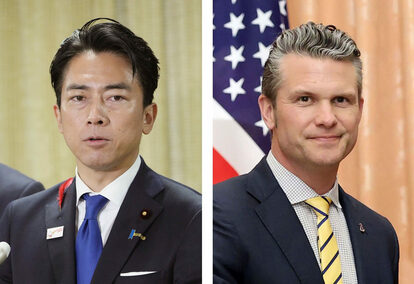
Yonhap News quickly highlighted two frontrunners for the Liberal Democratic Party’s leadership: Agriculture Minister Shinjiro Koizumi and former Economic Security Minister Sanae Takaichi. Both names triggered unease in South Korea, not only due to their political prominence but also their recent actions.
In August, both Koizumi and Takaichi visited the controversial Yasukuni Shrine, a move heavily criticized by South Korean media as an affront to historical sensitivities. For Seoul, this gesture rekindled longstanding grievances tied to Japan’s wartime past.
Takaichi Under the Spotlight
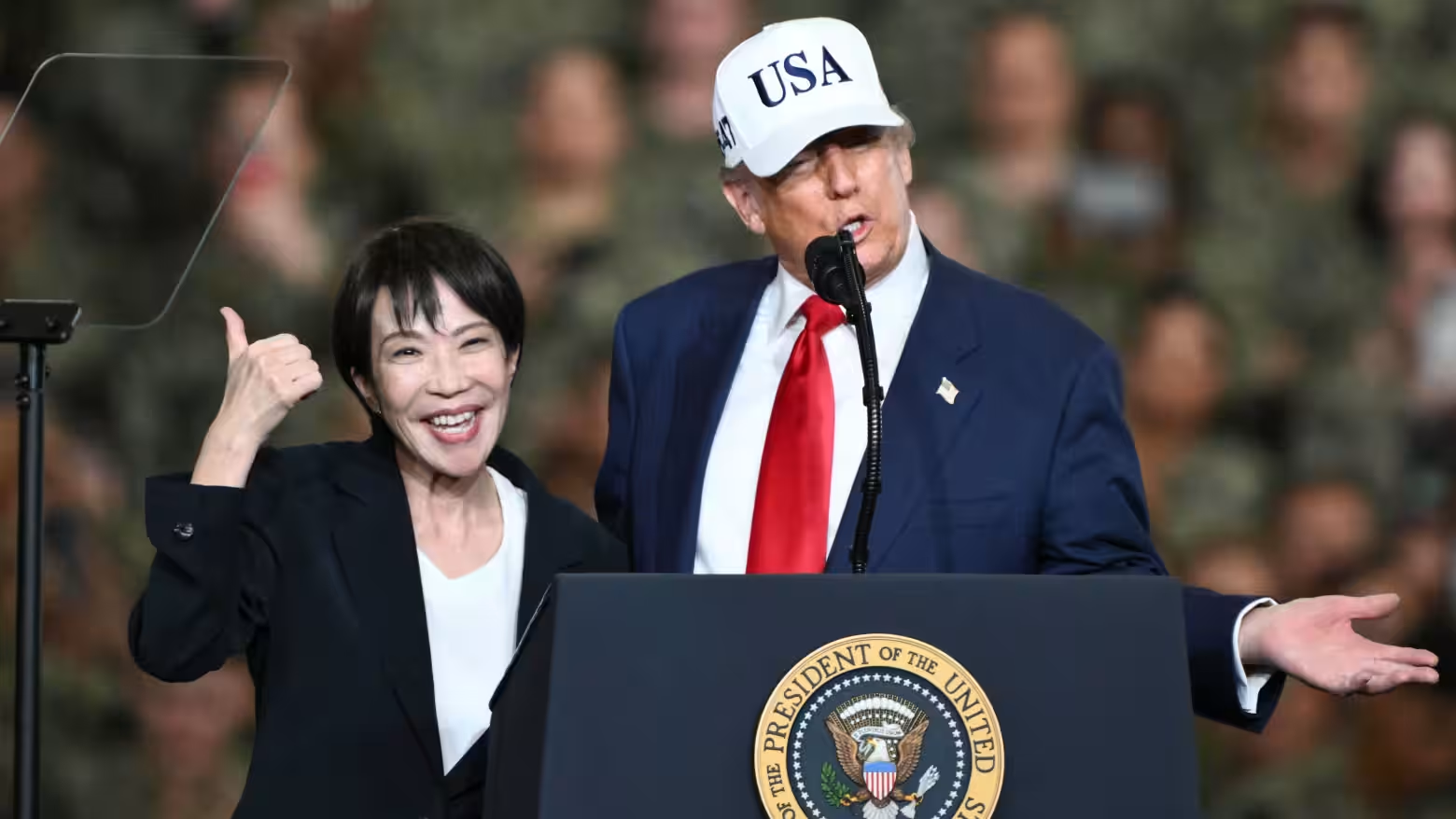
Among the contenders, Sanae Takaichi stands out as a source of particular apprehension. Widely regarded in South Korea as a hardline conservative with a tougher stance toward Korean issues, her potential premiership is met with deep skepticism. Analysts suggest that if Takaichi were to lead Japan, policy frictions could intensify, complicating efforts to maintain recent progress in dialogue.
“South Korea is wary of losing a partner who sought pragmatic cooperation, only to face a successor perceived as ideologically rigid,” one Seoul-based commentator noted.
Implications for Regional Diplomacy
Ishiba’s resignation not only shakes Japanese domestic politics but also reverberates across the region. For Seoul, the transition comes at a delicate moment when global security challenges demand closer trilateral coordination with Washington. The uncertainty surrounding Japan’s next leader raises concerns about whether hard-won diplomatic ground will be preserved or undone.
Ultimately, Japan’s leadership shift will test whether the two nations can move beyond historical disputes and build a future-oriented partnership—or slide back into mistrust.