“Tadaima”: A Two-Word Homecoming Japan Loves
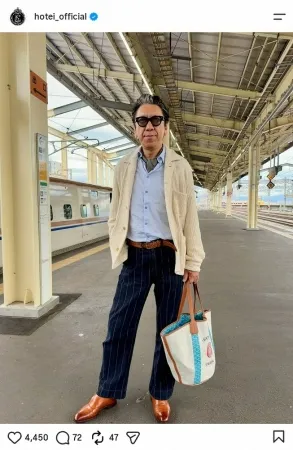
Japan’s rock icon Tomoyasu Hotei touched down and let a single word do the talking: “Tadaima”—“I’m home.” In a new Instagram post on the 4th, the guitarist, long based in London, shared a cool, minimalist shot from a station platform with a caption pointing to his roots: “Back to Takasaki. A new journey begins.” Within minutes, the comments turned into a chorus of affection and style admiration, as fans wrote “dandy,” “so stylish,” “British look—perfect,” and the affectionate Japanese shorthand “ikeoji,” meaning a handsome, sharply dressed older gentleman. Others chimed in with “welcome back,” “it’s finally starting,” and even location shout-outs like “waiting in Kumamoto,” underscoring the national anticipation as Hotei’s 45th‑anniversary tour opens in Gunma on the 5th.
From Takasaki to the World—and Back Again
Hotei is a cultural bridge. Raised in Takasaki, Gunma, he became a defining figure of Japanese rock with his searing tone, tall silhouette, and precision stagecraft. International audiences often first meet his sound through “Battle Without Honor or Humanity,” the adrenaline-charged instrumental heard across film trailers, sports arenas, and global pop culture. After relocating to London, he continued to collaborate across borders while keeping a strong creative line back to Japan. This return is more than a tour kickoff: it is a statement about continuity, craft, and how Japan’s music legends sustain global relevance while staying rooted at home.
London Base, Japanese Heart
Hotei’s years in the UK refined a cosmopolitan polish that Japanese fans appreciate—tailored coats, clean lines, and a stage presence that reads equally in Tokyo, London, or New York. But his “Tadaima” frames it all in a distinctly Japanese sensibility: the everyday station platform as stage; the humility of a simple greeting; the shared ritual of fans replying “Okaerinasai”—“welcome back.” It’s a moment that reflects modern Japan at its best: worldly yet grounded, stylish yet sincere.
Why This Homecoming Matters Now
The 45th‑anniversary milestone resonates in Japan’s live-music ecosystem, which thrives on national tours linking regional cities with the capital. An artist of Hotei’s stature energizes venues across the country, supporting local economies and reaffirming Japan’s reputation for top-tier concert production and punctual, fan-friendly logistics. For a new generation raised on streaming, his tour is an invitation to experience Japan’s live circuit first-hand—disciplined sound, respectful audiences, and the communal rush when the first chord lands. The fan comments capture that anticipation: “This platform just became chic,” “Are we getting a Hotei stroll?” and “See you tomorrow!”—a reminder that in Japan, style and substance often meet right on schedule.
What Fans Are Saying
Hotei’s post collected praise that reads like a fashion review and a love letter: “too stylish,” “so cool,” “dandy!!,” “British style—nailed it!” Then came the rally cries: “It’s starting,” “Welcome home,” “Waiting in Kumamoto,” and “Can’t wait for tomorrow.” The blend of elegance and excitement tells a bigger story about Japanese fandom—loyal, intergenerational, and quick to celebrate mastery.
For Visitors and Expats: How to Tap Into Japan’s Live Scene
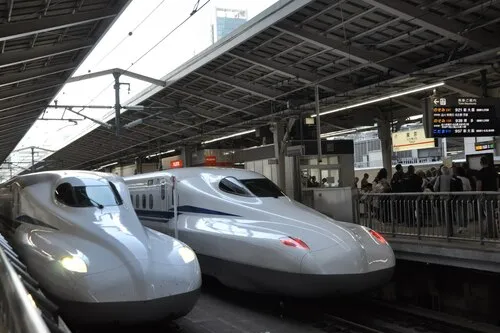
If you’re living in or visiting Japan, a national tour like Hotei’s is a window into the country’s cultural rhythm. Ticketing typically runs through major platforms such as Ticket Pia and Lawson Ticket, with more venues offering e-tickets and occasional English guidance. Cities on these circuits—like Takasaki in Gunma or regional hubs in Kyushu such as Kumamoto—are well connected by the Shinkansen and limited express trains, making concert travel remarkably straightforward. Arrive early for merchandise, expect impeccable sound, and remember that Japanese audiences are famously attentive: intense during the show, polite on trains after. It’s a concert experience built on respect—for the music, the time, and your fellow fans.
The Image That Says It All
In that single station-platform photo, you see why Japan remains a magnet for culture lovers: elegance without excess, infrastructure that turns travel into ease, and an artist who can transform a quiet moment into a nationwide spark. Hotei’s “new journey” starts in Gunma, but the momentum is national. As the anniversary tour unfolds, expect packed houses, precision performances, and a rolling celebration of Japanese creativity—both timeless and unmistakably now.