Seoul weighs non-combat mission as U.S. pressure mounts
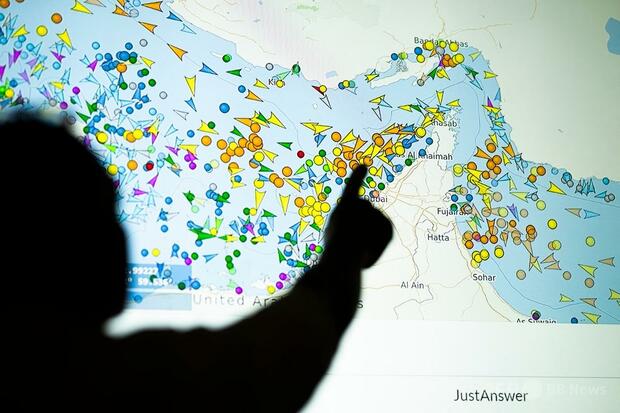
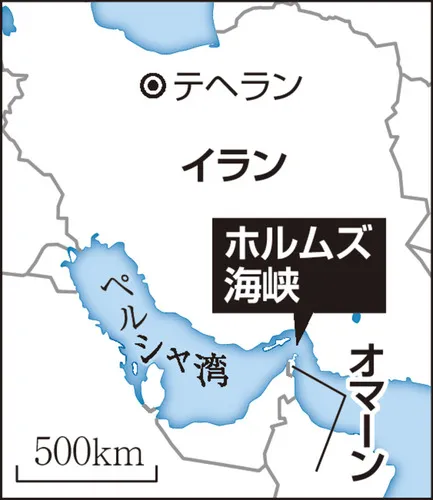
South Korea is preparing to dispatch naval assets to the Strait of Hormuz, a critical chokepoint for global energy flows, according to interviews with South Korean government officials on 4th of the month. The move—seen as aimed at preventing a further deterioration in relations with Washington—comes after U.S. President Donald Trump publicly voiced displeasure in an August 16 social media post, citing Seoul’s insufficient cooperation on Iran-related issues. Officials say any South Korean role would be strictly non-combat to avoid inflaming tensions with Tehran and the wider international community.
What could be sent—and why now
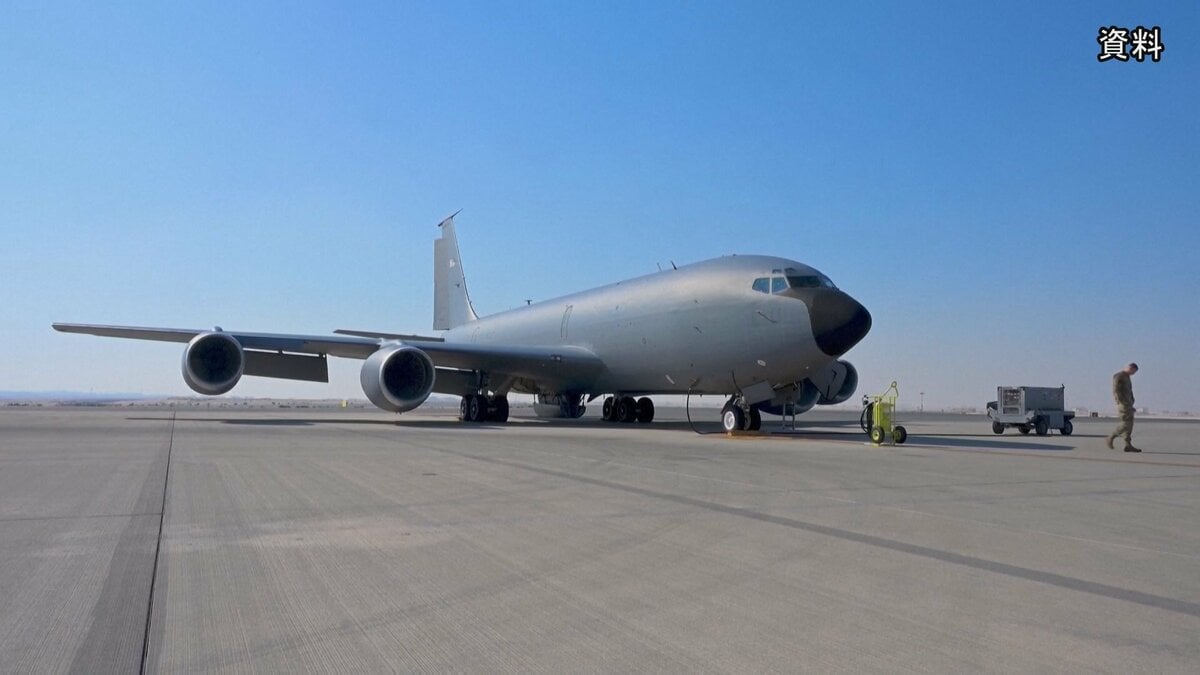
According to reporting by the Chosun Ilbo, the potential deployment—requested by the United States—would be the first of its kind since 2004, during the Iraq War era. Options under review include the P-8A maritime patrol aircraft, known for advanced anti-submarine and surveillance capabilities, and a logistics support vessel for at-sea replenishment. Around 150 personnel would be required to operate such a mission, officials said. A senior presidential office official underscored that “the freedom of navigation in the Strait of Hormuz is extremely important to our national interest,” adding that Seoul had discussed “active participation” from the outset but remains in the review stage.
Domestic politics could slow the decision
Any deployment will need National Assembly consent, and that path is uncertain. Some members within the left-leaning Democratic Party, which supports President Lee Jae-myung, have already voiced open opposition, setting up a domestic debate over costs, risks, and the mission’s scope. Compounding the urgency is broader U.S. frustration, including concerns about delays in South Korean investment commitments in America, according to South Korean government sources who describe an increasingly difficult environment for bilateral ties.
Why Japan is watching closely
For Japan, the stakes are tangible. Roughly 90% of Japan’s crude oil imports transit the Strait of Hormuz. Any shift in the security posture around the narrow waterway can influence shipping timetables, insurance premiums, and energy prices that ripple through the Japanese economy. Tokyo has pursued a calm, consistent approach to maritime security in the broader Middle East—maintaining a non-combat Maritime Self-Defense Force information-gathering mission and working closely with commercial shippers, partners, and regional states. Japan’s careful diplomacy with both Washington and Middle Eastern capitals has long been designed to keep vital sea lanes open without escalating tensions.
Scope for U.S.–Japan–ROK coordination
A South Korean non-combat contribution at Hormuz could open space for deeper practical coordination among the United States, Japan, and South Korea, especially in maritime awareness and logistics deconfliction. For Tokyo, better-aligned patrols and information-sharing can strengthen the predictability that Japanese shipowners and insurers prize. Crucially, a measured approach—emphasizing surveillance, deterrence, and support rather than combat—would mirror Japan’s own posture and align with its long-standing, rules-based commitment to freedom of navigation.
Regional and market implications
Global energy markets are sensitive to perceived security gaps at chokepoints such as Hormuz. Even modest enhancements to monitoring and replenishment support can reduce risks of miscalculation and piracy spillover and reassure commercial operators. Japan, as a top energy importer and maritime trading nation, benefits directly from any credible steps that lower volatility along its supply routes. If Seoul proceeds, observers expect close consultation with Tokyo to avoid duplications and ensure that separate national missions complement each other.
What to watch next
The timing hinges on parliamentary consent in Seoul and the final configuration of assets. Investors, shippers, and energy watchers in Japan will focus on the mission’s mandate, duration, and rules of engagement, all of which determine how effectively it can contribute to stability without escalating tensions with Iran. From Tokyo’s vantage point, a pragmatic, non-combat South Korean role—coordinated with allies and partners—would be a welcome development that supports Japan’s energy security and the broader rules-based order across the Indo-Pacific and the Middle East.