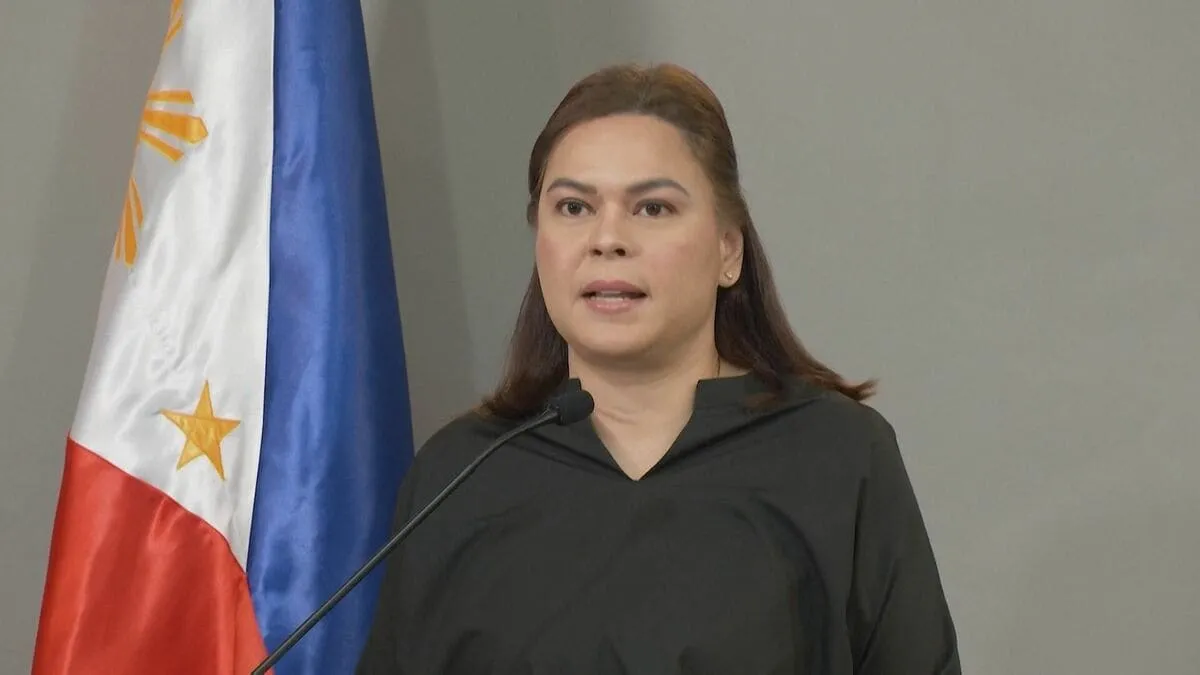
Tokyo/Manila — A Philippine court has issued an arrest warrant for Vice President Sara Duterte, according to local media reports, amid ongoing impeachment proceedings linked to alleged misuse of public funds. The reported warrant, issued on the 4th local time, stems from accusations that in 2024 Duterte hinted at hiring a “hitman” and implied threats toward President Ferdinand Marcos Jr. and the First Lady. While full judicial details remain emerging, the development has sent shockwaves through Manila’s political scene and raised questions about potential implications for governance, foreign policy, and the next presidential race—where Duterte has often been cited as a leading contender.
What local reports say
According to Philippine media, the court moved to issue the warrant as part of a broader set of cases that include alleged intimidation and threats, separate from impeachment articles related to public fund use. As of publication, no comprehensive official statement from Duterte’s camp or the executive branch had been immediately available. The scope of the allegations, the timeline for any court appearance, and the interaction between criminal proceedings and the Senate-led impeachment trial are all key questions that will shape the next phase of this high-stakes political drama.
Who is Sara Duterte—and why this matters domestically
Sara Duterte, daughter of former president Rodrigo Duterte, rose to national prominence as mayor of Davao City before becoming vice president in 2022 on a ticket that initially aligned with President Marcos Jr. That alliance has frayed as Philippine politics recalibrates around governance priorities, security, and foreign relations. If the reported arrest warrant proceeds and impeachment advances, it could alter the field for the next presidential election and influence the balance of power across major political blocs. For investors and regional partners, the key issue is not personalities but predictability: whether the Philippine state can manage legal processes transparently and maintain policy continuity during a period of intense scrutiny.
Why Japan is watching
Security and regional diplomacy
Japan has rapidly expanded its strategic partnership with the Philippines in recent years to support a free and open Indo-Pacific and maritime stability. Tokyo and Manila concluded a Reciprocal Access Agreement (RAA) in 2024 to streamline joint exercises and deepen defense cooperation, complementing Japan’s growing security roles with regional partners. Political turbulence in Manila does not automatically derail these ties, but it could affect legislative timelines and signal how consistently the Philippines will lean into multilateral cooperation with Japan and the United States—especially as tensions persist in the South China Sea. For Japan, which prizes rule of law and steady alliance-building, clear, constitutional handling of high-profile cases in the Philippines is crucial to sustaining momentum on security cooperation and coast guard coordination.
Economy, workers, and travel
Japan is one of the Philippines’ largest sources of development assistance and infrastructure support, from rail projects like the Metro Manila Subway to flood control and digital connectivity through JICA. Stable policymaking in Manila helps ensure these long-term projects deliver benefits on schedule. The people-to-people ties are equally important: Filipino professionals and skilled workers are increasingly active in Japan under programs like the Specified Skilled Worker visa, while tourism and student exchanges move in both directions. Any domestic uncertainty that strains economic confidence could ripple into project execution, investor sentiment, and labor mobility—areas where Japan has consistently provided reliable partnership and opportunities.
Context and credibility
At this stage, details of the reported warrant remain limited to local media accounts and official documents not yet fully public. Allegations around threats are serious and will require careful judicial review, separate from the politically charged impeachment track. For international observers, the central test is institutional: a transparent, law-based process that protects due process while ensuring accountability. Japan’s longstanding approach—non-interference, support for democratic norms, and practical cooperation—positions Tokyo as a steady partner whatever the composition of future Philippine administrations.
What to watch next
Key signals for Japan and the region
- Official statements from the Philippine judiciary, the Vice President’s office, and the Palace clarifying legal steps and timelines.
- Any impact on Senate schedules, including matters related to treaty approvals and the implementation of the Japan-Philippines RAA.
- Continuity of major Japan-funded infrastructure and public-sector reforms tied to governance and transparency.
- Regional coordination among Japan, the Philippines, and the United States on maritime security and coast guard activities.
For Japan, a calm, law-governed resolution in Manila is not merely a diplomatic preference—it underpins shared security planning, resilient supply chains, and the everyday lives of students, tourists, and workers who span both countries. Tokyo will watch developments closely, confident that steady institutions and constructive engagement can keep bilateral cooperation on track, even through political turbulence.