ANA flight makes precautionary return to Osaka Itami after cockpit alert
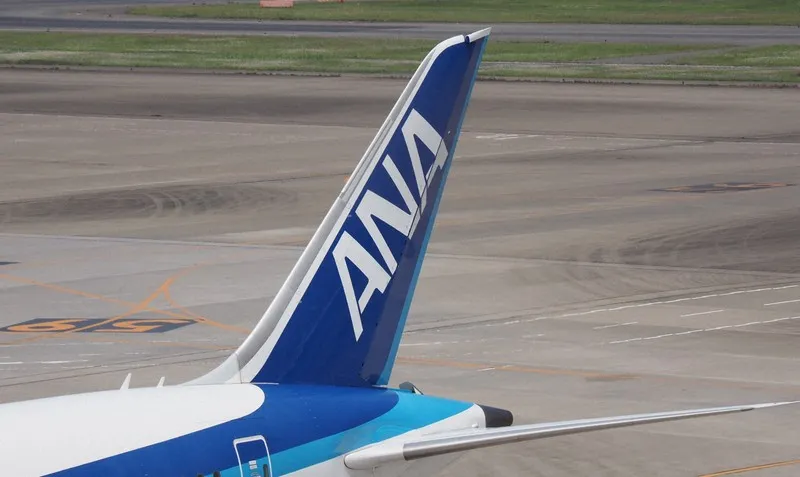
All Nippon Airways Flight 547, a domestic service from Osaka (Itami) Airport to Kagoshima, returned to its departure airport at around 4:05 p.m. local time on the 4th after an onboard warning indicated a possible issue with retracting the aircraft’s landing gear. According to the Osaka Airport Office of Japan’s Ministry of Land, Infrastructure, Transport and Tourism (MLIT), the alert appeared shortly after takeoff, prompting the crew to follow established safety procedures and head back to Itami. The airline reported no injuries among the 71 passengers and crew on board.
What happened and how operations were affected
After landing safely at Itami, the aircraft was towed from the runway to the parking area. To facilitate the towing operation and maintain safety on the airfield, the runway was briefly closed for approximately five minutes. During that time, a total of six other flights experienced minor disruptions to their takeoffs and landings. Authorities said it remains unclear whether the aircraft experienced an actual mechanical fault or whether the warning was triggered erroneously. MLIT and the airline will review the aircraft and flight data as part of a standard post-incident assessment.
Safety protocols in practice—why the U-turn matters
A landing gear “unsafe” or “not retracted” indication is one of several cockpit alerts designed to err on the side of caution. Returning to the departure airport is a textbook response worldwide—especially in Japan, where carriers and regulators emphasize proactive risk management. By opting for an immediate return, the crew ensured that airport resources, maintenance support, and emergency services were close at hand if required. Japan’s tight coordination between airlines, airport operators, and MLIT helps minimize operational impact while keeping passenger safety paramount.
Context for travelers: Itami’s role and Japan’s aviation reliability
Osaka (Itami) Airport—officially Osaka International Airport, though today primarily serving domestic routes—acts as a vital link between the Kansai region and other parts of Japan. The day’s flight, bound for Kagoshima in southern Kyushu, is a common domestic hop used by business and leisure travelers alike. Japan consistently ranks among the world’s most reliable aviation markets, supported by rigorous maintenance standards, comprehensive crew training, and robust regulatory oversight. Incidents like this are uncommon, and when they do occur, the public typically sees swift, transparent communication and a rapid return to normal operations.
What to watch next
Investigators will look for any fault in sensors, landing gear mechanisms, or related systems, as well as review cockpit procedures and maintenance records. If the alert proves to have been a false indication, the airline will address the root cause—often a sensor, wiring, or indicator issue—before returning the aircraft to service. If a mechanical anomaly is identified, corrective maintenance and further checks will follow. For passengers, any resulting delays or rebooking procedures are generally handled efficiently within Japan’s well-organized domestic network, which includes alternatives through nearby airports such as Kansai International (KIX) and Kobe Airport (UKB). The key takeaway: the system worked as intended—prioritizing safety, minimizing disruption, and keeping travelers informed.